
    I was on a call with my friend in California last week when he suddenly went silent.

“Sorry,” he said when he came back. “Just grabbing my go-bag. These wildfires are getting way too close for comfort.”

That's when it hit me. Emergency Preparedness isn't just for “preppers” anymore—it’s becoming as essential as having car insurance.

Recently, I read a Reddit thread. A father shared how his family’s Emergency Preparedness plan saved them during a power outage. This was caused by a major storm. “Our generator kept our home running for three days while the rest of the neighborhood went dark,” he wrote. The comments were filled with similar stories. Clearly, people are recognizing the importance of being prepared.
🌪 Disaster Preparedness in America
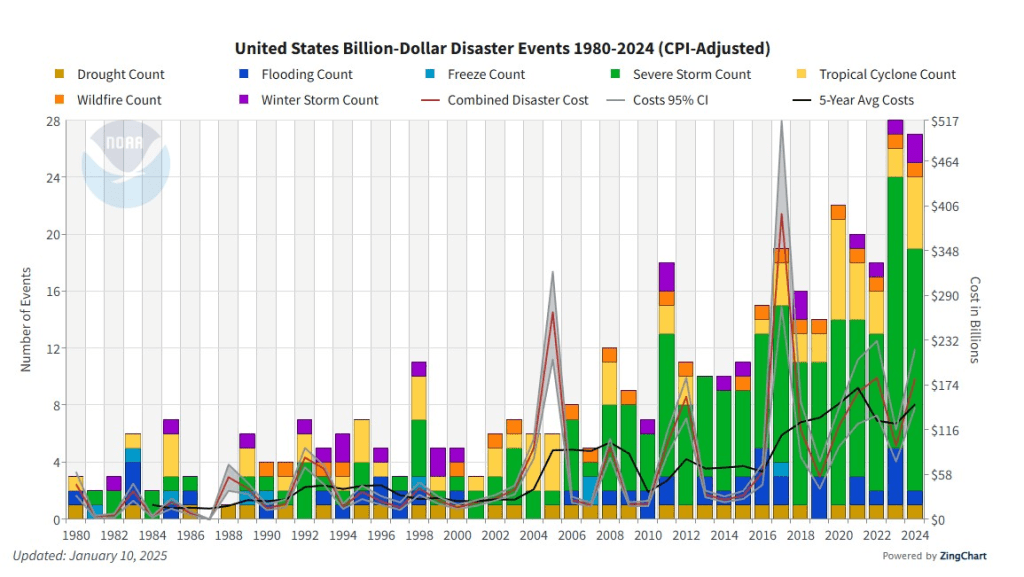
Let me throw some numbers at you. Since 1980, the U.S. has experienced 403 billion-dollar natural disasters.
And it’s getting worse.
- Hurricane Ian (2022): $112 billion in damage.
- Maui Wildfire (2023): Over 100 lives lost, 2,200 buildings destroyed.
- California Wildfires (January 2025): Estimated losses between $50 billion and $100 billion.
According to Craig Fugate, former FEMA Administrator, “The frequency and intensity of disasters are increasing. It’s no longer a matter of if a disaster will strike, but when.”
This isn’t fear-mongering. This is reality.
“I never thought I’d need a generator until I lost power for two weeks.”
A friend from Florida told me this. Now she owns two. And he’s not alone. Millions of Americans are investing in Emergency Supplies like never before.
What’s Driving This Emergency Preparedness Revolution?
The Emergency Preparedness market is booming, and it comes down to three major factors.
1. Disasters Are Getting Worse
FEMA’s National Risk Index ranks California as the highest-risk state for natural disasters.
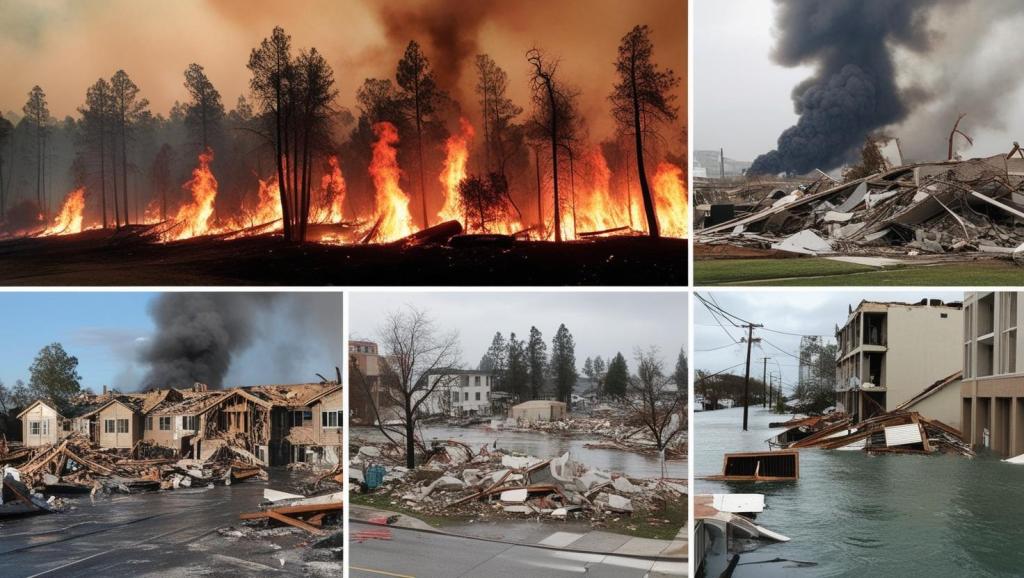
But it’s not just the West Coast anymore. Texas floods, Midwest tornadoes, and other disasters are becoming increasingly common across the nation.
“Every region of the country faces a different type of threat, but the need for Emergency Preparedness is universal,” explains Dr. Samantha Perez, a disaster resilience expert at the University of Colorado.
Americans are realizing they can’t rely solely on government aid. Instead, they’re investing in their own Emergency Supplies.

2. Big Retailers Are All In
Retailers like Walmart, Amazon, and REI now have dedicated Emergency Supplies sections.
- REI: Bundling survival kits with outdoor gear.
- Target: Offering “Disaster Essentials” displays.
- Amazon: Reporting a 35% increase in sales of Emergency Preparedness products over the last two years.
When major retailers are dedicating prime shelf space to Emergency Preparedness, it’s clear this trend is here to stay.
3. Technology Is Changing Everything
Those basic first aid kits? They’ve evolved into something far more sophisticated.
- Google Nest Protect: Not only detects smoke but also communicates with your phone and even unlocks doors for first responders.
- Star-Link: Provided emergency internet during California wildfires when traditional networks failed.
“Technology is revolutionizing Disaster Preparedness. The focus is on creating systems that anticipate and respond to emergencies before they escalate,” says James Carter, CEO of PrepTech Solutions.
📊 The Numbers Don’t Lie
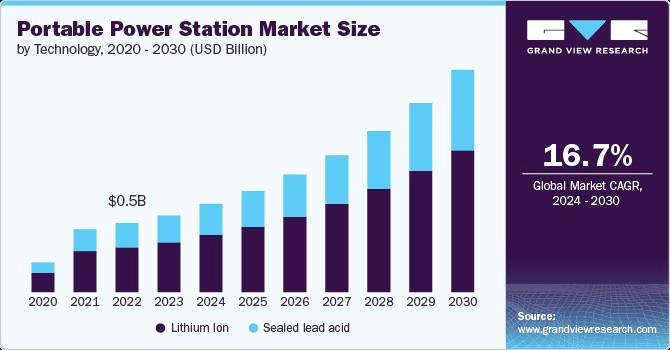
The growth of the Emergency Preparedness market is staggering.
- Emergency Medical Equipment Market: Nearly $32 billion in 2024. It is projected to reach almost $60 billion by 2033. The annual growth rate is 6.5%.
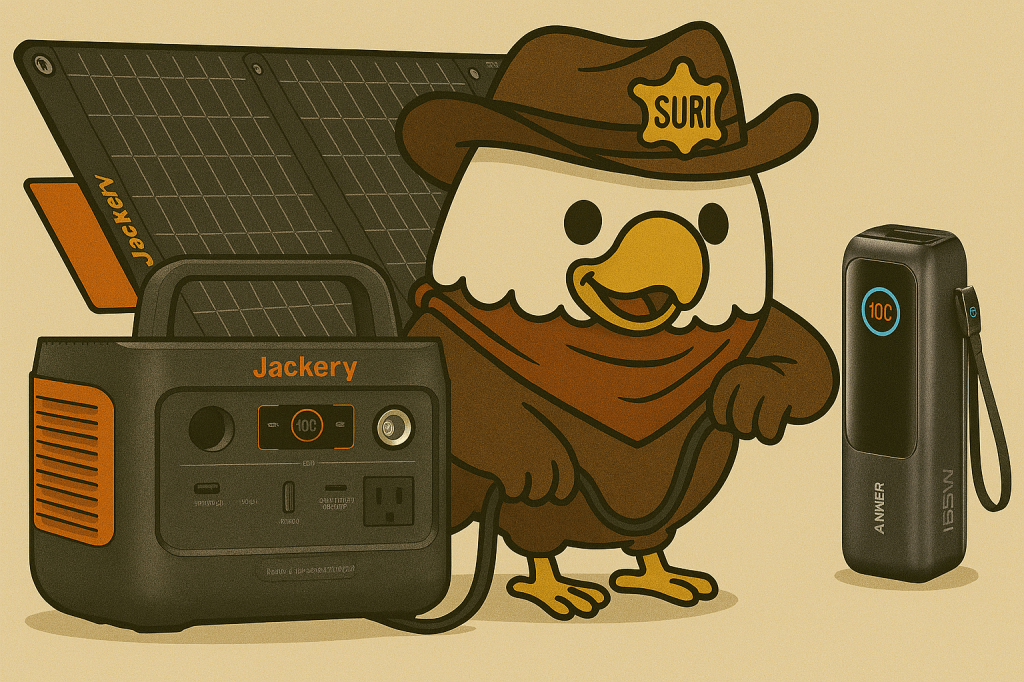
- Portable Power Market: Growing at an impressive 16.7% annually.
- EcoFlow: 800,000 units sold in 2023.
- Jackery: Over 500,000 units sold.
- Water Filtration Imports: Reached $2 billion in 2024, an 8% increase from the prior year.
According to the National Institute of Building Sciences, every $1 invested in disaster preparedness saves an average of $6 in disaster recovery costs.
For more detailed statistics, you can check the official FEMA National Risk Index Report here.
💡 Where the Real Opportunities Lie💡
Companies looking to capitalize on the Emergency Preparedness market should focus on these three key areas.
Smart Integration Is King
Consumers prefer products that work seamlessly within their existing tech ecosystem.
Standalone products are being replaced by Emergency Preparedness solutions integrated with smart home systems.
Durability Meets Sustainability
Today’s consumers want products that are durable and Eco-friendly.
Eco-friendly Emergency Supplies are experiencing the highest growth rates.
Beyond The Basics
The CDC recommends having two weeks of Emergency Supplies, but many Americans are preparing for much longer. Long-term food storage, communication backups, and multi-purpose tools are leading sales.
What This Means For The Future
As climate change intensifies, Emergency Preparedness will become as standard as home insurance.
Both FEMA and the National Weather Service predict an increase in disaster frequency over the next decade.
For companies aiming to enter this market, emphasizing the next will be crucial:
- Smart Technology Integration
- High-Efficiency Power Solutions
- Eco-Friendly, Durable Design
- Compliance with FEMA Guidelines (https://www.fema.gov/)
The question isn’t whether Americans will continue investing in Emergency Preparedness. The real question is how much they’ll spend. Another important consideration is who will capture that market share.
What’s in Your Go-Bag? Share Your Story!
Have you prepared your own Emergency Supplies or built a customized go-bag? Share your experience and tips in the comments below. Or better yet, post about it on social media and tag us! 📝 #EmergencyPreparedness
Source: NCEI, FEMA, GlobalNewsWire, Grand View Research, Global Trade Atlas, CDC, REI
(We are not promoting this based on paid advertisements; it’s a reflection of current market trends.)




 Boss Brief
Leave a comment