
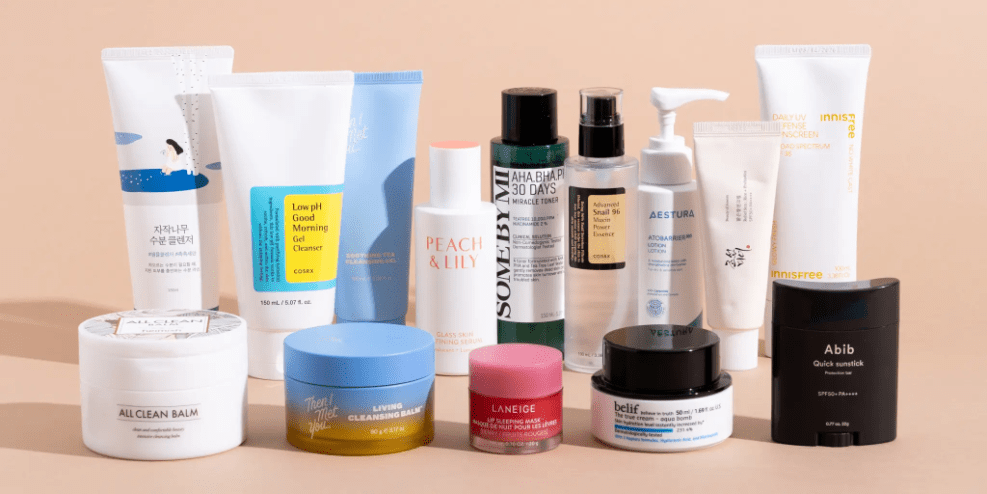
From non-invasive skin procedures to global innovation, discover why K-beauty is now part of mainstream American beauty culture.
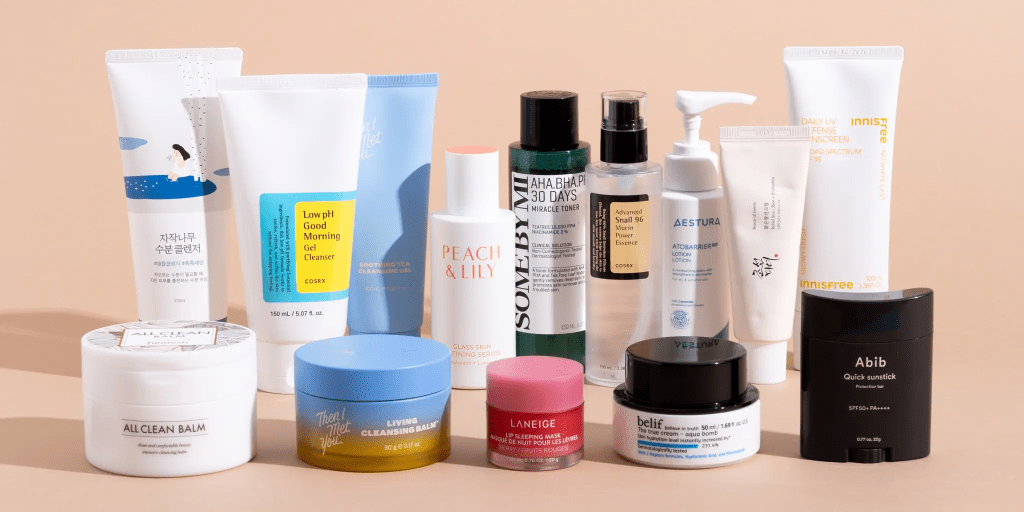
(source: NYtimes)
       The weather had been all over the place—blazing heat in the afternoon, followed by a cool breeze in the evening. My skin didn’t quite know how to react. It was dry, tight, and clearly irritated. To make matters worse, I had just run out of my go-to sunscreen. With little time to spare, I made my way to Sephora, hoping to grab a quick replacement. But what I found there was anything but simple.

The skincare aisle was packed with unfamiliar labels and brands I didn’t recognize. I felt overwhelmed, unsure where to begin. That’s when a store associate named Mina came to my rescue. After asking a few quick questions about my skin type, she recommended a hydrating sunscreen and a soothing essence. Both were new arrivals—Korean brands that had just launched in-store—and they were already flying off the shelves.

As a Korean-American, that moment stayed with me. Seeing Korean products being celebrated in an American store gave me a surprising and deeply personal sense of pride. I thought it would be a routine skincare run. Instead, it sparked a much bigger question. Is this just about sunscreen, or is something deeper happening in beauty?

That moment sparked a deeper curiosity. Was this just good product timing, or a larger beauty shift happening before my eyes? Korean medical aesthetics are taking off in America—and in a big way.
From Skincare Routines to Skin Clinics: The Rise of Korean Medical Aesthetics
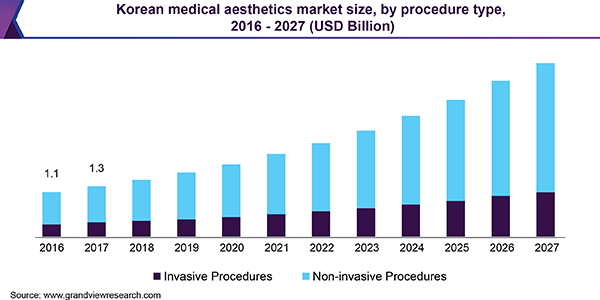
K-beauty took off globally in the early 2010s by reimagining how we think about skincare—hydration-first, ingredient-conscious, and prevention-oriented. BB creams, sheet masks, and lightweight essences redefined routines around the world. But the influence of Korean beauty culture didn’t stop there.
Today, it’s evolved into Korean medical aesthetics. These are non-invasive cosmetic procedures that blend advanced technology with the same care and subtlety K-beauty is known for. Energy-based skin tightening and dermal fillers are among these procedures. Botulinum toxin injections and scar treatments are also available. These procedures are becoming increasingly popular in the U.S.
These innovations were born in Seoul’s high-tech dermatology clinics. They are making their way into American practices, especially in New York and LA. They offer effective, affordable, and natural-looking results. In a world shifting from dramatic makeovers to subtle, long-term refinement, Korean techniques are gaining serious traction.
💡 Did you know?
South Korea has one of the highest rates of cosmetic procedures per capital in the world. Its advancements in non-invasive treatments and cutting-edge technologies have set a high standard globally.
America’s Growing Obsession with Perfect Skin
What’s more surprising? The demographic shift. A new generation ‘Gen Z and Millennials’ is driving the surge. No longer confined to middle-aged women, aesthetic procedures are becoming common among younger consumers influenced by social media. Platforms like TikTok and Instagram have turned once-taboo topics into aspirational goals.
Korean companies are uniquely positioned to lead this movement. They offer high-quality treatments at lower price points compared to Western brands. In fact, South Korea’s dermal filler exports to the world. soared to $283.9 million in 2023—a staggering 10.9% increase from the year to year.
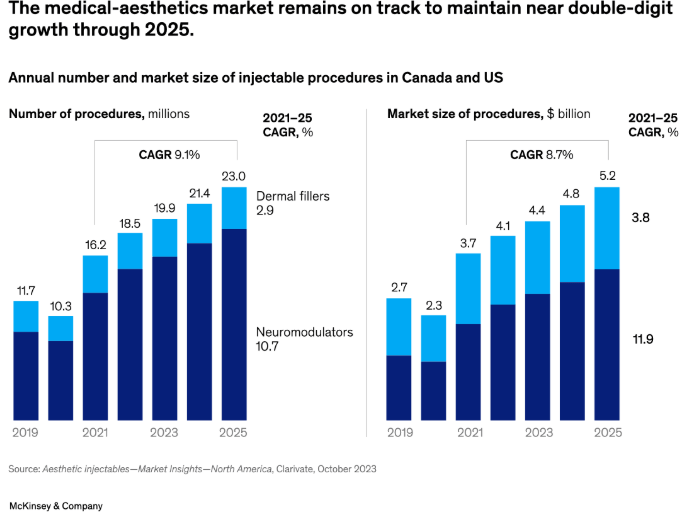
This movement isn’t just anecdotal and this cultural shift isn’t just something you feel—it’s backed by numbers. According to McKinsey & Company, the North American medical aesthetics market is expected to reach $5.2 billion by 2025, growing nearly 9% annually. Botox injections alone are increasing by 12% year-over-year. (McKinsey & Company, 2024).
Consumer behavior is shifting fast. A 2023 survey by the American Society for Dermatologic Surgery (ASDS) revealed 70% of people who’ve had a procedure. They are open to doing it again. Trust and normalization have never been higher.
Popular Procedures Americans Are Choosing
So what are people actually getting done?
Here’s a quick look at the most popular non-invasive procedures in the U.S. right now, according to the ASDS 2023 Report:
| Procedure | Popularity Rate (%) | Efficacy | Common Risks |
|---|---|---|---|
| Skin Tightening via Energy-Based Devices | 53 | High – Effective for firmness and elasticity. | Redness, swelling, minor burns. |
| Body Sculpting | 52 | Moderate to High – Reduces fat without surgery. | Bruising, soreness, uneven results. |
| Anti-Wrinkle Injections (e.g., Botox) | 49 | High – Quick results for fine lines and wrinkles. | Temporary drooping, bruising, allergic reactions. |
| Laser Hair Removal | 45 | High – Long-term hair reduction. | Burns, pigmentation changes, redness. |
| Skin Tone Improvement and Scar Treatment | 44 | Moderate to High – Effective for scars and pigmentation. | Irritation, redness, peeling. |
Source: American Society for Dermatologic Surgery (ASDS), 2023
These numbers don’t lie, non-invasive treatments are no longer luxury experiences.
They’ve become normalized, accessible, and even expected, especially among a younger generation who values both results and subtlety.
Why Korean Companies Are Leading

(source: CNN)
It’s no coincidence that Korean companies are now at the forefront of the global medical aesthetics market. Their success stems from a unique balance of affordability, technological innovation, and cultural credibility—a trio that’s hard to beat.
Affordable Excellence
Unlike many Western brands that charge premium prices, Korean aesthetic products offer high quality at accessible price points.
Dermal fillers, botulinum toxin, and skincare injectables from Korea are significantly more affordable—without compromising safety or efficacy. This cost-efficiency has opened the door for younger, broader audiences to enter the aesthetics space with confidence.
Cutting-Edge Innovation
South Korea is also a global leader in developing advanced, energy-based aesthetic devices and next-generation fillers.
Clinics across the U.S. are now using Korean-made technology for non-invasive treatments like laser lifting, skin tightening, and pigment correction.
Built on Beauty Trust
Let’s not forget the cultural capital of K-beauty.
Years of consistent quality and innovation in skincare have built a foundation of trust. So when Korean companies expand into medical aesthetics, consumers are already listening. They associate Korean products with gentleness, effectiveness, and real results—exactly what people want from their treatments.
Potential Risks and Side Effects
As with any medical procedure, Korean aesthetic treatments come with risks—even when they seem “non-invasive.”
Here are a few things to be aware of:
- Anti-Wrinkle Injections (like botulinum toxin): Can cause temporary drooping or facial muscle weakness if not done properly.
- Laser Treatments: Risk of burns, hyperpigmentation, or even scarring if the skin isn’t treated carefully.
- Fillers: Can cause bruising or infection if not done by a certified professional.
💡 Tip: Always consult with a certified dermatologist or licensed aesthetician before undergoing any procedure.
Why Does This Matter?
Because we’re not just talking about beauty anymore—we’re talking about empowerment.
Younger generations are increasingly taking charge of how they look and feel. They use aesthetics as a form of self-expression, not just correction.
Thanks to social media and the accessibility of K-beauty, what once felt exclusive now feels normal.
Skin tightening and body sculpting are popular. A little touch of preventative Botox is also common. Korean aesthetics is no longer a niche trend. It’s a movement—powered by trust, technology, and self-expression.
What’s Your Experience with K-Medical Aesthetics?
Have you tried any Korean skincare or aesthetic procedures?
Which products changed the game for you—and what are you still curious to try?
Drop your story in the comments, or tag us with #KBeautyRevolution.
Because redefining beauty? That’s a revolution worth sharing. ✨
Source: CNN, grandviewresearch, American Society for Dermatologic Surgery (ASDS), Mckinsey report




 Boss Brief
Leave a comment