
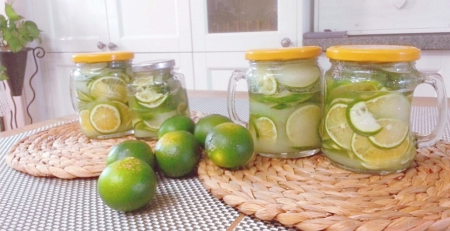
Cheong: The Korean Fruit Syrup That’s More Than a Trend
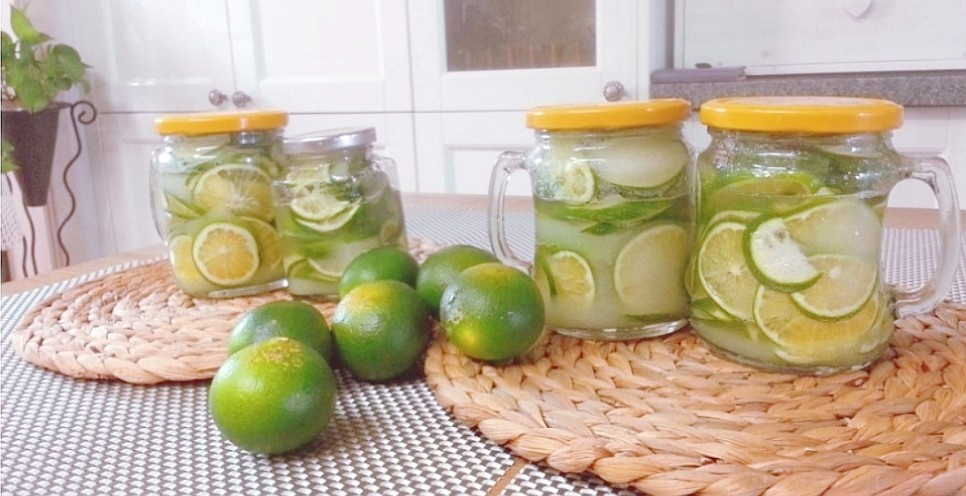
Have you ever heard of Cheong?
If you’ve been on YouTube or Instagram lately, you may have seen viral videos of people layering lemons or strawberries with sugar or honey, letting them sit for weeks to create a visually captivating fruit syrup. While this may appear to be a modern culinary trend, in Korea, Cheong has long been a deeply embedded part of traditional food culture — rooted not in aesthetics or novelty, but in practical wisdom, seasonal rhythm, and generational knowledge.
When I was young, my grandmother would prepare Cheong with whatever fruits were in abundance during each season — green plums in spring, citron in winter, or pears in late autumn. For her, this was not a creative experiment, but a ritual guided by time and necessity.
She used Cheong as a daily remedy to soothe sore throats, calm the stomach, and simply preserve the fleeting taste of ripe fruit long after its season had passed. We drank it chilled in the summer to cool our bodies, infused it into hot water in the winter to warm our spirits, and even enjoyed the leftover fruit on warm rice or toast. Looking back, this ritual wasn’t just a family habit — it reflected a broader Korean food philosophy: to preserve ingredients with minimal intervention, honoring the intrinsic value of each element. It was not just a matter of taste, but of survival, sustainability, and a deep respect for nature’s rhythms.
What Is Cheong? A Traditional Food Technique Beyond Syrup
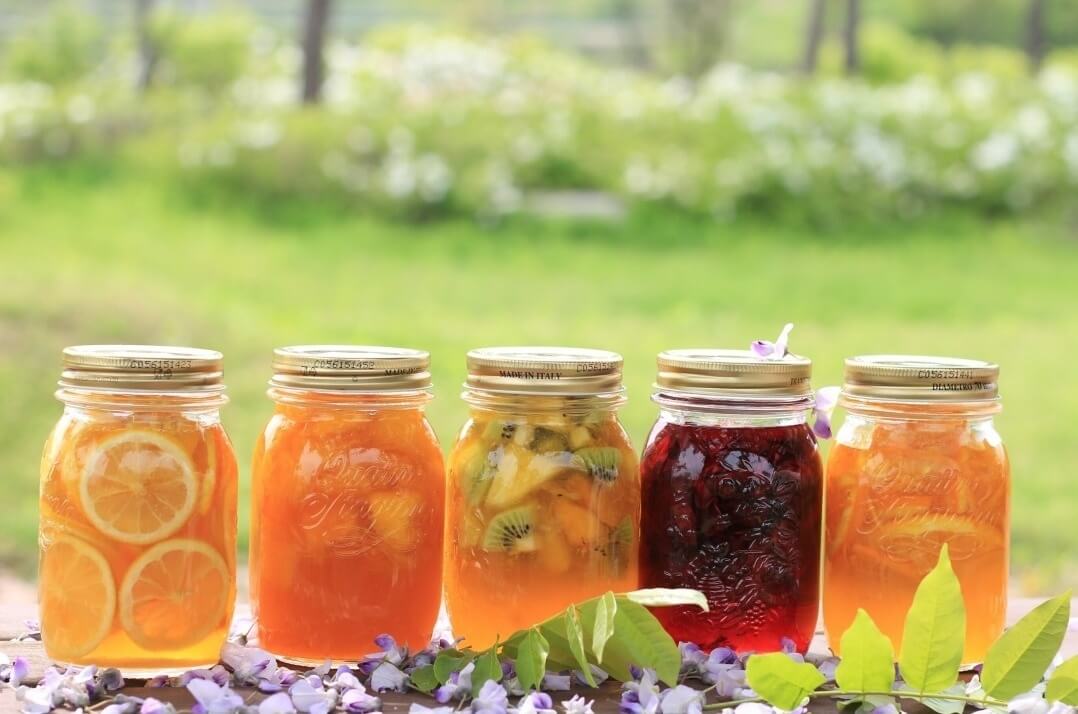
(Source: 달콤한햇살)
In Korean, Cheong (청) broadly refers to syrup-like extracts made by preserving fresh fruits, roots, or herbs in sugar or honey. Although often translated simply as “syrup,” the concept of Cheong encompasses much more than its English equivalent. It is a traditional, non-thermal method of preservation based on osmotic principles, where no boiling or artificial additives are used. This natural approach reflects a desire to retain the essence of the ingredients — their aroma, texture, and therapeutic qualities.
Historically, the term appears in Korean medicine and literature. Varieties like Baekcheong (백청, “white syrup”) and Seokcheong (석청, “rock syrup”) were used to describe wild honeys harvested from mountainous regions. These honeys were prized not just for their sweetness but also for their supposed medicinal properties, seen as substances of purity and vitality. Over time, this method of preserving raw ingredients in sugar or honey became a cornerstone of Korean home food culture — a skill passed down informally across generations, mostly by women, in kitchens rather than laboratories.
Unlike Western jams — which require boiling fruit with sugar to thicken, sterilize, and seal — Cheong relies on osmosis, a natural chemical process where sugar pulls water out of fruit tissue, gradually dissolving both sugar and fruit components into a syrup. This results in a raw, uncooked syrup that captures much of the original aroma and flavor of the fresh fruit. Because it avoids heat, it also avoids the caramelized or cooked flavor profile typical of jams, offering instead a brighter, fruit-forward experience.
While Cheong is ideally made and consumed in a non-fermented state, some degree of natural fermentation may develop over time if storage conditions vary or if overripe fruit is used. However, Cheong should not be considered a fermented product. Slight fermentation may have been tolerated in traditional settings, but this is not its intended outcome. In modern food safety standards, fermentation, bubbling, mold, or sour odors are clear signs of spoilage and should be discarded immediately.
Cheong vs. Jam: Not Just in Taste, But in Principle
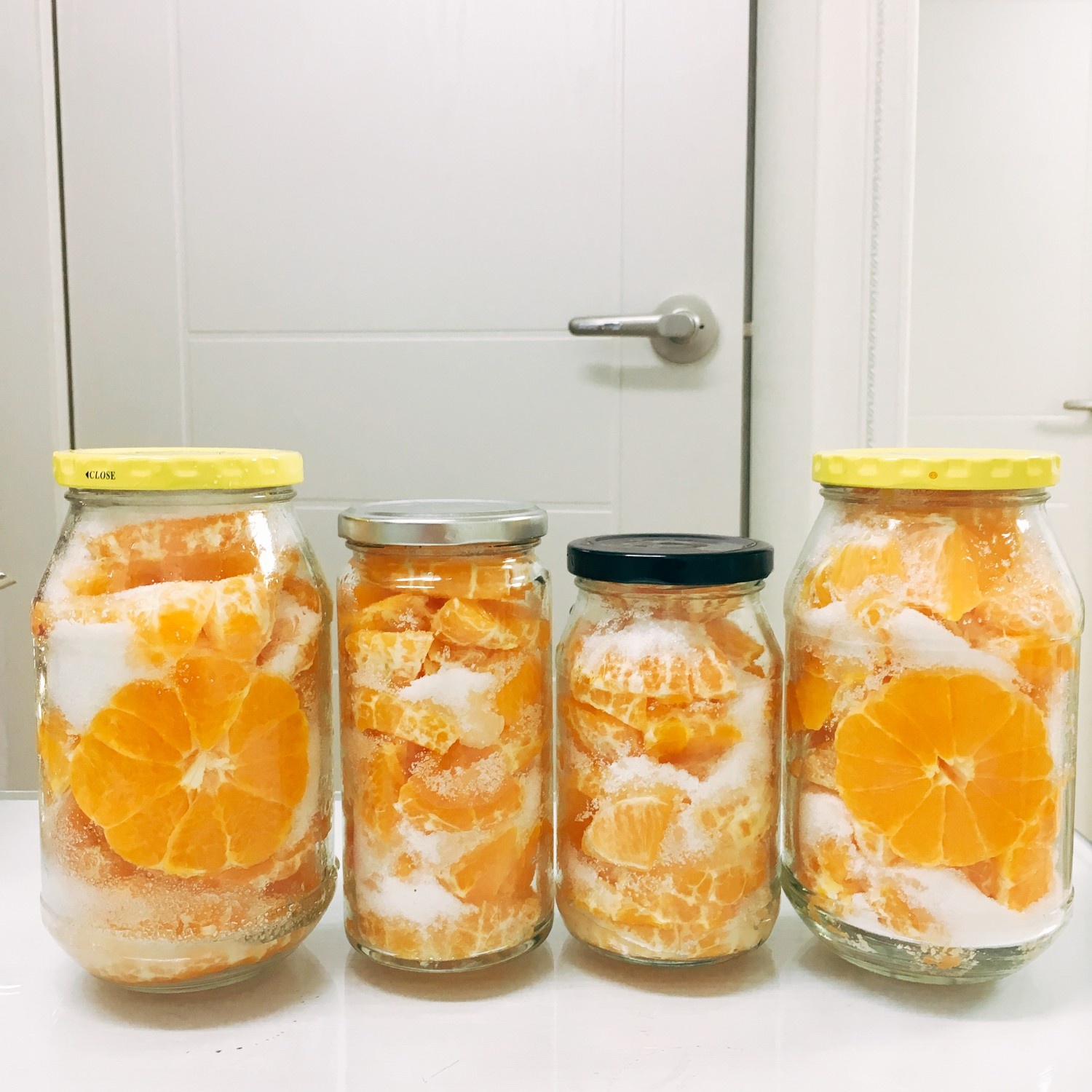
Although Cheong and jam both serve to preserve fruit and are often stored in glass jars, their core philosophies differ greatly. Cheong represents a minimalist, low-intervention approach, while jam follows a high-heat, sterile technique. Jam is about stability and shelf life; Cheong is about preserving freshness, albeit briefly.
| Feature | Cheong | Jam |
|---|---|---|
| Method | No heat; non-fermented (ideally), raw process | Boiled with sugar, sterilized |
| Texture | Liquid syrup | Thick and spreadable |
| Nutrients | May retain some heat-sensitive compounds initially | Many nutrients (e.g., vitamin C) lost during boiling |
| Shelf life | Short to medium term; requires refrigeration | Long shelf life due to pasteurization |
Cheong, especially when made with raw honey, may initially retain compounds like vitamin C or enzymes. However, these benefits are short-lived: oxidation, light, and enzymatic breakdown reduce nutrient content significantly within weeks. Therefore, Cheong is a gentler preservation technique, not a nutritional panacea. Its value lies not in what it adds, but in what it refrains from destroying.
The Science Behind Cheong: How It Works Without Boiling
Cheong’s preservation power comes from basic but effective food science principles:
- Osmosis: Sugar draws moisture out of fruit cells, reducing water activity and preventing microbial growth.
- Low water activity: The high sugar concentration binds free water molecules, making the environment inhospitable to most bacteria, yeasts, and molds.
- Anaerobic environment: Sealing the jar reduces oxygen exposure, further slowing oxidation and microbial proliferation.
This trio creates a natural preservation system that has been practiced for generations. The elegance of Cheong lies in its simplicity — a few ingredients, a bit of time, and a great deal of patience. However, to ensure food safety, the following precautions are essential:
Safe preparation tips:
- Use only firm, fresh, unblemished fruits.
- Wash and dry thoroughly to prevent mold.
- Layer equal weights of fruit and sugar (or honey) in a sterilized glass jar.
- Seal tightly; store in a cool, dark space for 2–3 weeks.
- Rotate or shake gently once daily.
- Refrigerate after syrup forms. Strain fruit if desired.
⚠️ Important: If bubbles, mold spots, or sour odors develop, discard immediately. While mild fermentation may historically have been tolerated in some settings, Cheong is generally intended to remain unfermented for safety and flavor integrity.
Cheong in the Modern Kitchen
(Source : home_cooking_pangyo)
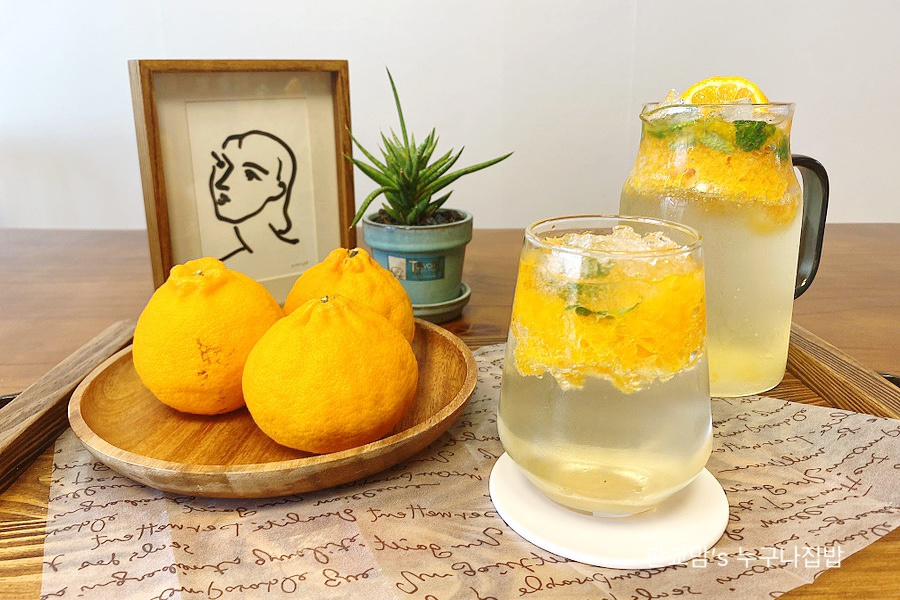
Cheong has transcended its traditional role as a medicinal food and is now appreciated for its versatility and alignment with modern values like seasonal eating, minimal processing, and zero-waste cooking. In a time of over-industrialized food, Cheong offers a refreshing contrast — a kitchen project that is both simple and intentional.
Ways to use Cheong:
| Application Area | Use Case |
| Beverages | Add to water, sparkling water, tea, or cocktails |
| Cooking | Glaze meats, balance acidity in dressings/sauces |
| Baking | Use in dough, fillings, or as a finishing glaze |
| Desserts | Drizzle over yogurt, pancakes, oatmeal, or ice cream |
Cheong continues to be a seasonal marker in Korean households: green plum in spring, apricot in early summer, jujube in autumn. In cafés, citron or plum Cheong teas remain beloved staples. Its alignment with global trends toward clean-label ingredients, sustainability, and mindful consumption further enhances its modern relevance.
Whether as a healthful drink, a culinary accent, or a nostalgic treat, Cheong represents a bridge between past and present — a way to savor nature without overprocessing it. It invites us to slow down, observe the rhythms of the seasons, and take part in a food tradition that is as much about intention as it is about taste.
Cheong Is Practical Wisdom, Not Just Sentiment
(Source: 10000 Recipe)
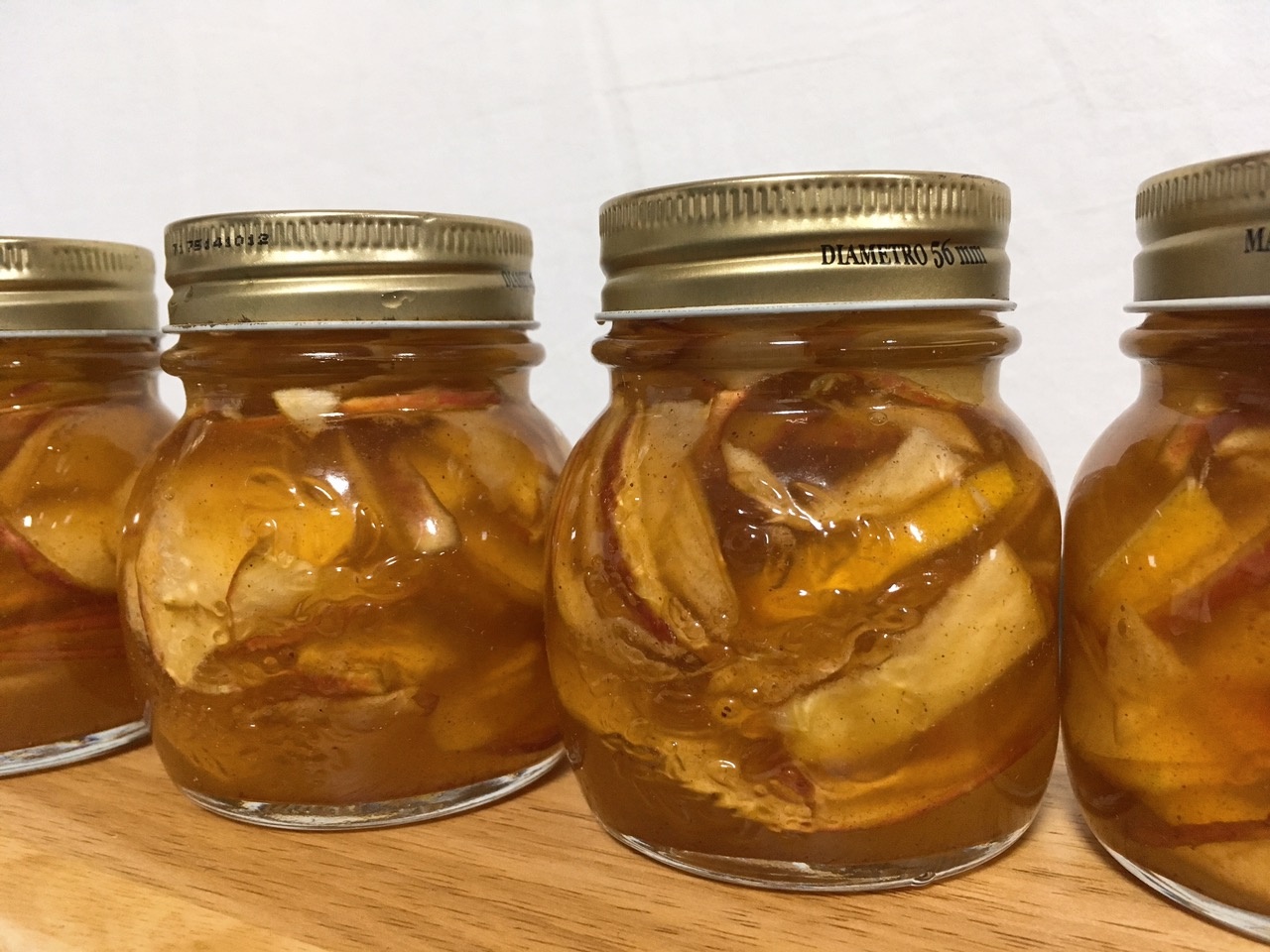
Cheong is more than a nostalgic tradition or viral trend. It embodies a system of knowledge grounded in patience, practicality, and a deep understanding of ingredient life cycles. It is not a miracle food and should not be treated as one, but it remains a valuable form of culinary craftsmanship — one that captures the ephemeral essence of fruit, preserved with quiet precision and enduring wisdom.
It also reminds us that food can be more than consumption — it can be memory, ritual, and cultural continuity. In a globalized world where traditions can be easily lost, Cheong offers a tangible link to ancestral knowledge and domestic resilience.
Next time you see a jar of layered fruit online, look again. It might not just be a DIY experiment — it could be a window into centuries of intentional, edible insight.





 Boss Brief
Leave a comment