
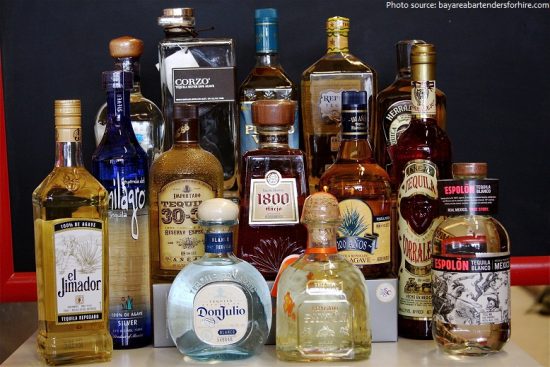
Tequila Isn’t Just Alcohol — It’s Mexico’s Liquid Identity, Reinvented

(Source: bayareabartendersforhire.com)
It began with a headline — not about alcohol, but economics.
“Trump to impose 25% tariffs on Mexican imports. U.S. tequila distributors scramble to stockpile inventory.”
It was a typical geopolitical move: tariffs as leverage. But hidden in the margins was something more intimate — tequila, the most iconic of Mexican exports, suddenly thrust into the spotlight not because of flavor, but because of foreign policy.
I couldn’t help but wonder: if American businesses were rushing to stockpile tequila, what did they know that I didn’t?
That curiosity led me to Total Wine, my local spirits big store. I wasn’t looking to hoard — just to understand.
Standing in front of a towering shelf of agave spirits, one brand stood out: Patrón.
Clear bottle, rounded cork, minimalist design. It felt premium. Purposeful. And strangely familiar.
Having lived in Texas, tequila was no stranger. It was part of birthdays, barbecues, blurry nights and bold memories.
But as a Korean — someone who comes from a culture that treats drinking as ritual and art — my relationship with tequila had always been… complicated.
I remember the first time I tried it: no chaser, just bravado.
The result? A humbling spiral of heat, head-spin, and regret.
Since then, I’d kept my distance — not out of disdain, but respect. Tequila had bested me once.
But that night, spurred by headlines and memory, I gave it another shot — literally.
I brought home a bottle of Patrón, poured a small glass neat, and braced myself.
The first sip was sharp. But then came something unexpected — a soft herbal sweetness, earthy warmth, and a taste that felt like it had a story.
This wasn’t just alcohol. It was identity. Geography. Culture.
I needed to know more.
Tequila: A Spirit Rooted in Soil, Protected by Law
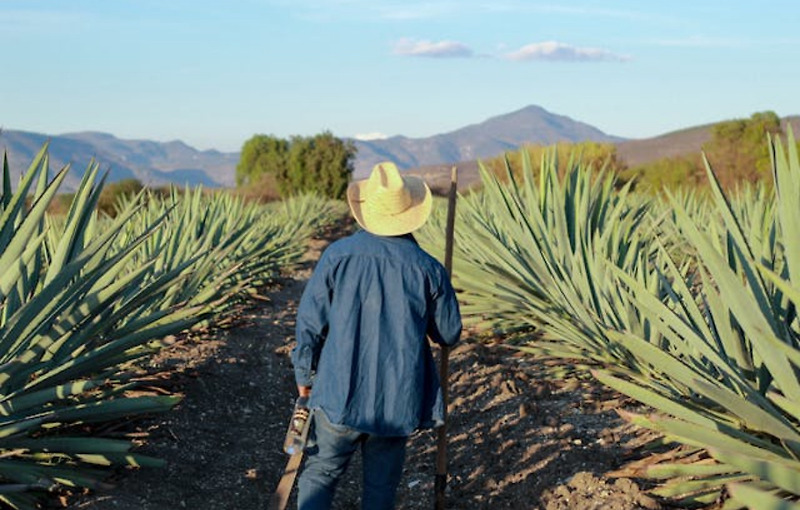
(Source:tistory)
As I researched, one fact became clear: tequila isn’t just made — it’s declared.
Much like how Champagne can only come from Champagne, France, tequila is a protected designation of origin (DO), officially recognized under international trade agreements.
It’s not a generic liquor — it’s a national heritage.
📍 To be legally called “tequila,” the spirit must:
- Be produced in one of five Mexican states, primarily Jalisco
- Use 100% Blue Weber Agave, a slow-growing plant that matures over 7–10 years
- Follow traditional fermentation and distillation methods outlined by the CRT (Consejo Regulador del Tequila)
🕰️ Tequila’s flavor isn’t just about the plant — it’s about time:
- Blanco (Silver): Bottled immediately after distillation. Bright, raw agave flavor.
- Reposado: Rested 2–12 months in oak. Balanced, mellow, with a hint of smoke.
- Añejo: Aged 1–3 years. Rich, woody, and complex.
- Extra Añejo: Aged over 3 years. Deep, luxurious, closer to fine cognac or whisky.
And that’s just the taste. Tequila’s meaning runs even deeper.
It’s a symbol of Mexican pride, especially among farmers and small producers who see themselves as cultural guardians.
Each agave plant takes years to grow and minutes to roast — but carries with it generations of knowledge.
And now, the world is finally catching up.
The Rebrand: From Cheap Shots to Cultural Symbol

(Source: TASTE cocktails.com)
If you still associate tequila with salt, lime, and bad decisions, you’re living in the past.
Tequila has gone through an emotional renaissance.
Today, it’s not just about alcohol content — it’s about craftsmanship, culture, and connection.
Major brands are leading this narrative shift:
- Don Julio, founded by a 17-year-old in 1942, now uses immersive VR tours and cinematic ads to convey legacy.
- Casa Sauza, one of Mexico’s oldest producers, leans into eco-conscious tech, water treatment, and chef-led tastings to showcase modern heritage.
And then there’s Patrón — the brand that arguably started tequila’s luxury revolution.
Brand Spotlight: Patrón
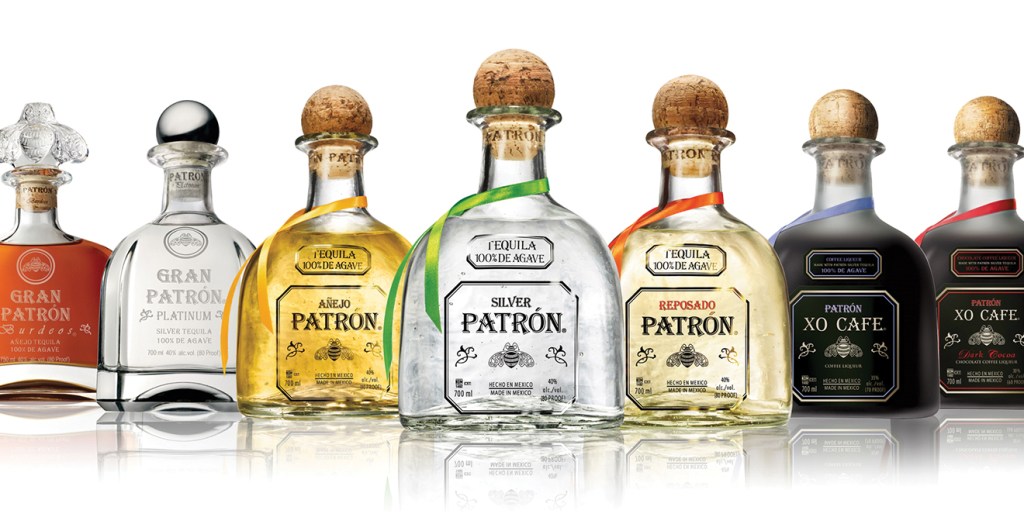
(Source: AMVYX)
“Luxury is in the process.”
📖 Why It Started:
Patrón began as a rebellion against perception. In 1989, John Paul DeJoria (co-founder of Paul Mitchell) and designer Martin Crowley believed tequila didn’t deserve its frat-party reputation. They partnered with a traditional distillery in Jalisco to show the world that tequila could be luxury.
“If tequila could be made with integrity, it could be reimagined as elegance.”
🔧 How It’s Made:
- 100% Blue Weber Agave
- Traditional tahona stone wheel crushing
- Handcrafted at Hacienda Patrón in Jalisco
- Sustainability at its core: recycled water, eco-farming, minimal additives
🎯 Brand Strategy:
- “Only 3 Ingredients” campaign (agave, water, yeast)
- Collaborations with artists and designers (Guillermo del Toro, Lalique)
- Iconic hand-blown glass bottles
- VIP brand experiences and curated tasting rooms
🥇 Key Products:
| Name | Highlights |
|---|---|
| Patrón Silver | Clean, crisp agave-forward Blanco |
| Patrón Reposado | Oak-aged for balance and smoothness |
| Patrón Añejo | Warm, rich with vanilla and spice |
| Gran Patrón Burdeos | Aged in Bordeaux barrels, ultra-premium |
🌎 Brand Positioning:
Patrón isn’t just a drink. It’s a symbol — of how Mexican heritage, when treated with respect and vision, can compete with the finest spirits in the world.
It transformed tequila from bar joke to boardroom staple.
Between Innovation and Identity: Tequila’s Future Is Global — and Risky
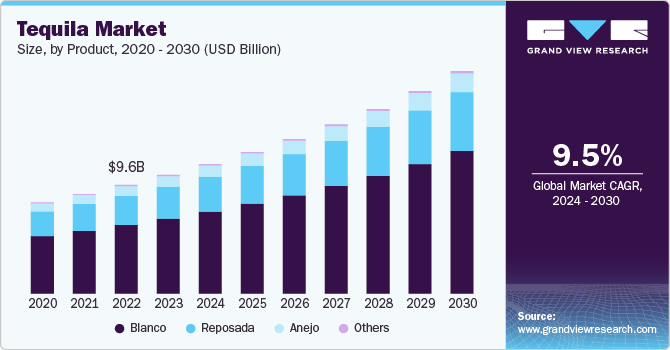
As the world embraces tequila’s complexity, the industry is growing — fast.
📈 By the numbers:
- 2024 tequila market size: $11.43B
- Projected 2034 market: $19.73B+, growing at 9.5% CAGR
- Over 80% of exports currently go to the United States, followed by Japan, Canada, UK, and Spain
But with global recognition comes growing pains.
🔥 Challenges Ahead:
- Agave scarcity: The plant takes years to mature. Demand is rising. Prices are volatile.
- Premium pricing: Luxury image boosts margins, but also alienates average consumers.
- Counterfeit products: Fake or illegally labeled tequila threatens the integrity of the category.
- Overdependence on U.S. exports: Political shifts (like tariffs) can disrupt an entire ecosystem.
Yet the industry isn’t ignoring these risks — it’s innovating.
Case in point: Casa Sauza × IBM × Everledger
- Tequila bottles now come with NFC chips
- Consumers can tap their phones to verify origin, batch, and authenticity
- Blockchain is helping restore trust in a high-stakes, premium market
Meanwhile, mixologists are reimagining how tequila can be consumed:
- Fat-washed reposado with sesame oil
- Clarified milk-punch cocktails
- Seaweed, chili, and miso infusions
- Even non-alcoholic agave spirits are emerging for the sober-curious generation
Tequila is no longer just a category.
It’s a canvas — for culture, flavor, ethics, and innovation.
Final Pour: A Personal Takeaway
When I bought that bottle of Patrón, I wasn’t expecting a life lesson.
I just wanted to taste what the tariff fuss was about.
But what I found in that glass wasn’t just alcohol.
It was pride, patience, and process — a distilled version of Mexico’s story.
It was a reminder that even something as small as a spirit can carry law, land, labor, and legacy.
And more than anything, it made me realize:
Tequila isn’t what you drink at the end of the night.
It’s what you sip when you’re ready to understand where something — and someone — comes from.


 Boss Brief
Leave a comment