
A Generation That Consumes Identity and Sustainability

(Source: google)
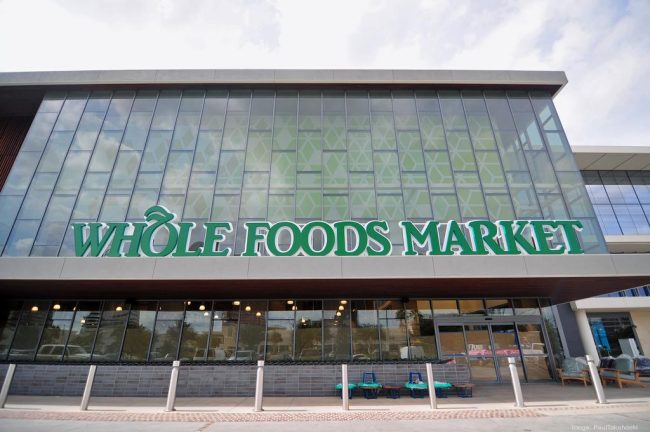
Due to frequent late-night work hours, stopping by a nearby grocery store after work has become part of my daily routine. While I’ve tried various markets, the one closest to my office—Whole Foods Market—naturally became my go-to spot for convenience.
At first, I didn’t expect much. But recently, as I started feeling constantly fatigued and noticed some weight gain, I began thinking, “Isn’t it time to start eating healthier?” With that mindset, I browsed the aisles and noticed keto snacks, organic eggs, and clean-label foods—items I’d only seen on social media before.
Though they were a bit more expensive, I thought, “This isn’t just a purchase—this is an apology to my body and a promise to my future self.” So I decided to give some of them a try.
To my surprise, they tasted great, kept me full, and made me feel lighter—physically and mentally. That’s when I got curious. What is Whole Foods really about? Why are these types of foods gaining popularity? And how is food culture in the U.S. evolving?
Whole Foods: More Than Just a Supermarket
Whole Foods Market is the leading organic and sustainability-driven grocery chain in the United States. Founded in 1980 in Austin, Texas, it now operates hundreds of stores nationwide.
🧠 Founding Philosophy at a Glance
| Category | Description |
|---|---|
| Ideological Roots | Influenced by hippie culture, naturalism, vegetarianism, and environmentalism |
| Founder’s Beliefs | John Mackey is a vegetarian who advocates healthy and ethical eating |
| Market Context | U.S. food systems were dominated by processed goods; natural alternatives were underserved |
| Market Gap | No major supermarket focused solely on organic, fresh, and eco-conscious products |
| Early History | Began as a small store (“SaferWay,” 1978), merged to form Whole Foods Market in 1980 |
“We weren’t just selling food—we were part of a movement to change the world.” — John Mackey
Mackey promoted a philosophy of Conscious Capitalism—an ethical form of capitalism that prioritizes not only shareholders but also employees, customers, suppliers, communities, and the environment.
💡 Conscious Capitalism emphasizes purpose-driven business: profit aligned with social and ecological well-being.
🔎 Summary:
- Motivation: Health, ethics, and environmental values
- Goal: A platform for healthy living and community empowerment
- Result: Became a cultural icon for organic retail, acquired by Amazon in 2017, leading to broader accessibility
Where Whole Foods and Gen Z Intersect
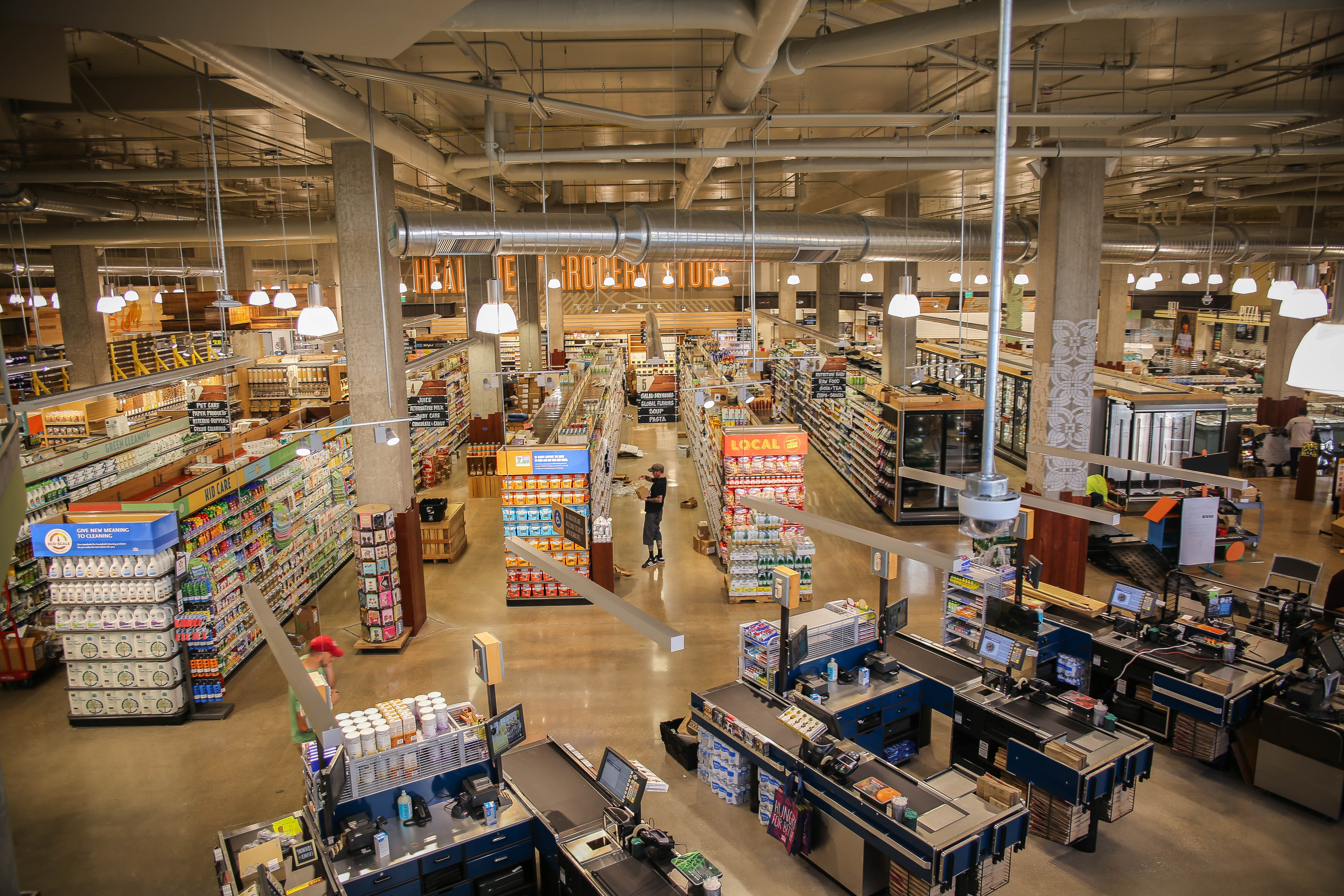
Gen Z is no longer buying products passively—they evaluate the values behind them. Whole Foods’ longstanding commitments closely align with Gen Z’s philosophy-driven consumer behavior.
1️⃣ Sustainability, Ethics, and Organic Values: A New Baseline
Whole Foods focuses on:
- Non-GMO and certified organic products
- Fair trade and local sourcing
- Sustainable fishing, ethical animal welfare, and reduced plastic use
These values echo Gen Z’s concerns around climate impact, fair labor, and ethical food systems.
📌 According to First Insight (2022), 73% of Gen Z consumers say sustainability influences their purchasing decisions.
2️⃣ Transparency and Clean Labels Build Trust
Whole Foods enforces strict Ingredient Standards, banning hundreds of artificial substances like synthetic dyes, high-fructose corn syrup, and artificial preservatives.
💡 Clean Label refers to products with simple, natural ingredients and transparent labeling—something Gen Z increasingly demands for health and trust.
3️⃣ Social Impact and Community Orientation
Whole Foods integrates social responsibility through local vendor programs and community grants. This resonates with Gen Z’s desire for brands to contribute positively to society.
📌 Edelman Trust Barometer (2023): 62% of Gen Z said they would stop buying from a brand that does not align with their values or fails in social responsibility.
4️⃣ In-Store Experience Meets Digital Convenience
With immersive physical stores and seamless Amazon integration, Whole Foods offers an omnichannel experience—aligning with Gen Z’s fluid digital-physical habits.
Gen Z Is Not the “Future” Consumer—They’re the Present
Today’s consumers seek meals that are not only nutritious and tasty, but also emotionally and philosophically satisfying. Gen Z in particular views food as an extension of identity.
- Their purchasing choices are expressions of personal and societal values
- Eating is no longer just functional—it’s ideological
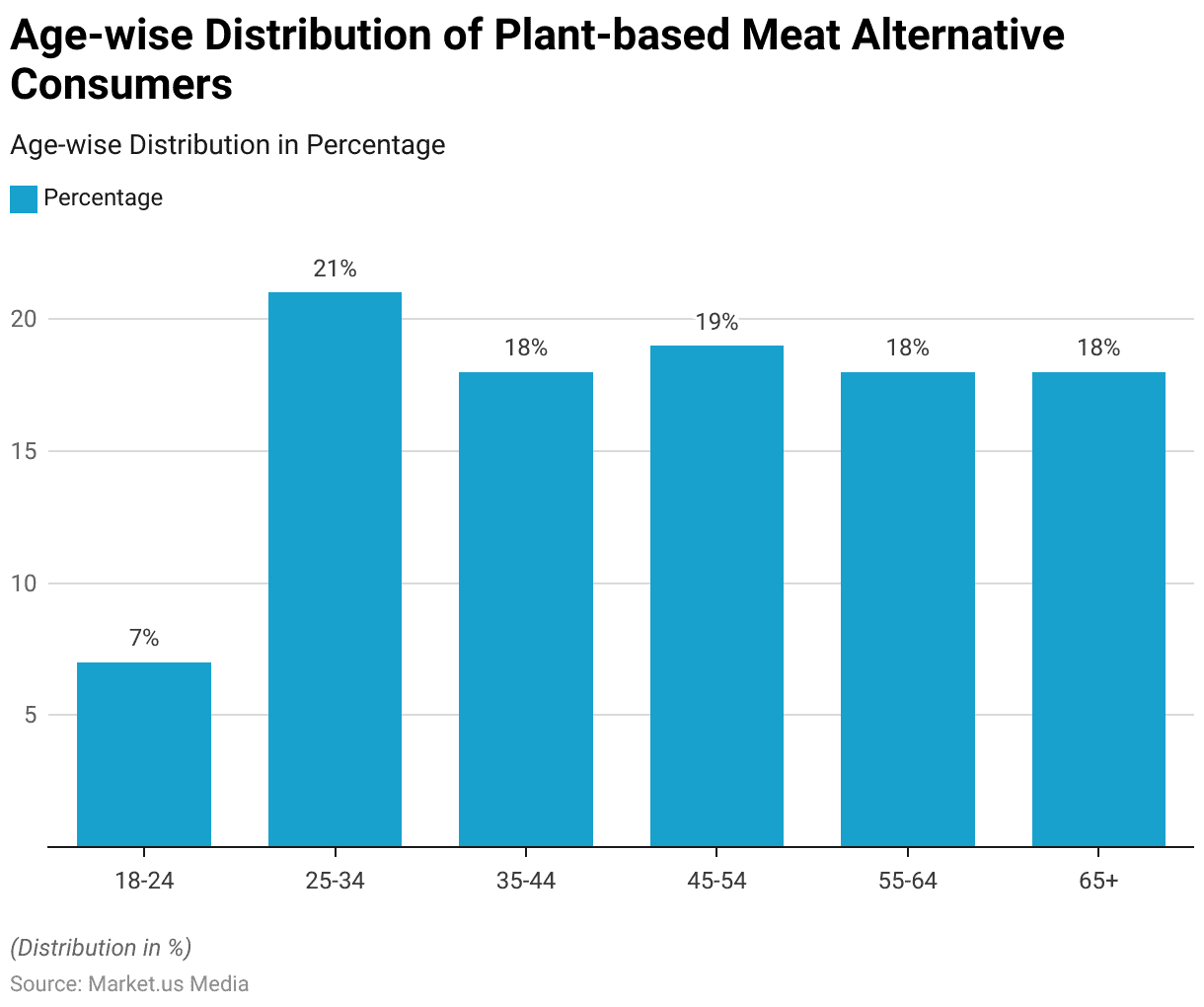
📌 Pew Research (2023): 28% of Gen Z regularly consume plant-based dairy alternatives
This signals a fundamental shift in food culture—not a trend, but a transformation.
Social Media: The Culinary Lab of Gen Z
Gen Z is shaping food culture through platforms like TikTok, Instagram, and YouTube, where creativity and experimentation thrive.
- Over 70% of Gen Z engages with food content on social media
- TikTok (50.5%), Instagram (43.1%), YouTube (42.7%)
(Morning Consult, 2023)
Viral content has a measurable impact on food trends and sales. Brands must now communicate not only flavor and quality, but also story and emotional resonance.
Health + Sustainability + Emotional Wellness = The Gen Z Food Equation
What Gen Z pursues is Healthy Pleasure—the fusion of flavor, wellness, convenience, and emotional well-being.
- Top food priorities: Freshness (26%), Natural ingredients (26%), High protein (25%)
- 75% believe food plays a significant role in mental health
(Hartman Group, 2022)
These evolving values are reshaping the food industry.
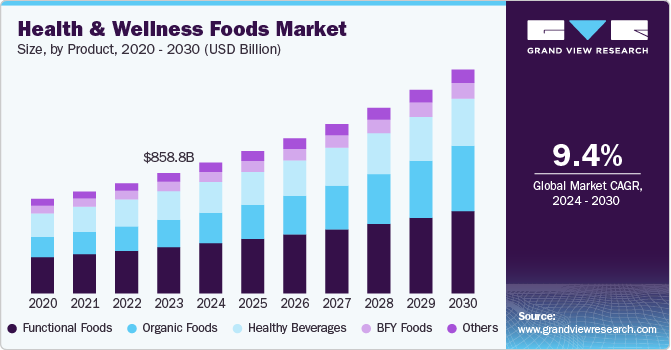
- The global wellness food market was projected to reach $858.8 billion in 2023, growing at a 9.4% CAGR
- The keto food market is expected to grow by 1.7x by 2033
(Market Research Future, 2023)
Gen Z Is Designing the Future of Food
Gen Z is not just a target audience—they are market architects redefining the rules.
- Clean labels, alternative proteins, and fair trade are no longer “optional”—they’re expected
- Brands must deliver identity, purpose, and community along with their products
Whole Foods has positioned itself as an early responder to these values. But the broader shift is clear:
The dining experience of tomorrow will be ethical, sustainable, and sensorial—and Gen Z will be at the center of it.




 Boss Brief
Leave a comment