
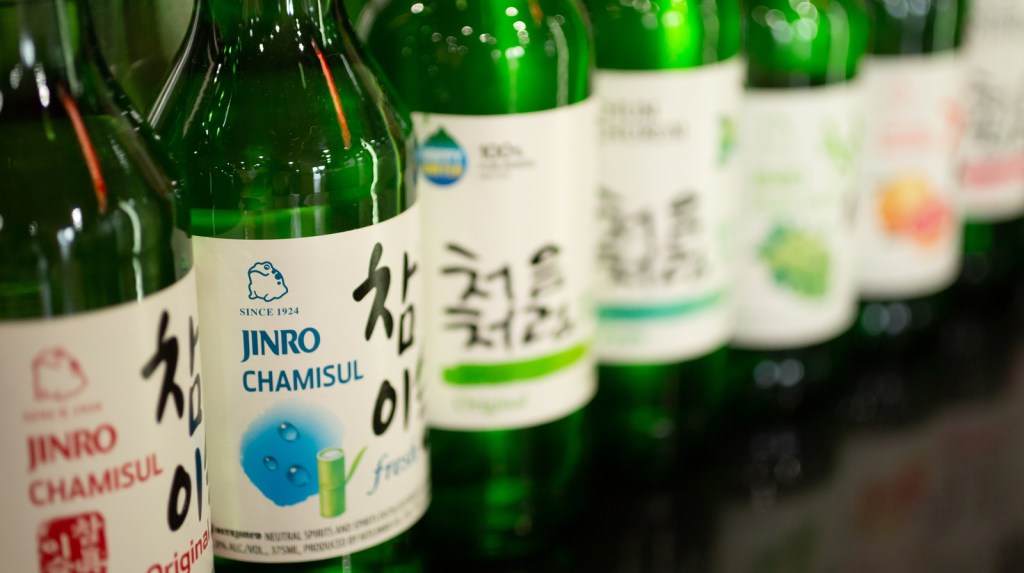
There’s one drink that never fails to make an appearance at any Korean gathering or company dinner: soju.
A few weeks ago, I was having drinks with friends, and among us were American and Japanese friends. What surprised me was that they naturally reached for soju—no hesitation, no confusion. That moment made me realize how far this iconic Korean spirit has come. I used to think soju was something only Koreans enjoyed. After all, Korean cuisine only recently started gaining traction globally, and let’s be honest—soju isn’t exactly a light drink. Its alcohol content can be intimidating to first-time drinkers.
But these days, things are changing.
Soju is no longer just Korea’s spirit. It’s quickly becoming a global favorite.
Personally, I’ve always enjoyed soju because it’s light, versatile, and blends well with other drinks. It feels like the “soul” of Korea in a bottle. And now, seeing it in the hands of friends from around the world—it’s not only fascinating, but oddly heartwarming.
Recently, a friend returned from a trip to Canada and casually mentioned, “Almost every Asian restaurant in Toronto sells Korean soju now.” That’s when my curiosity turned into research, and I began to explore how soju—especially K-Soju brands like HiteJinro—are making waves in the North American market.
Why North America Is Ripe for K-Soju
The rise of Korean soju in North America is no longer niche—it’s becoming mainstream. From K-dramas and K-pop to Korean BBQ and cosmetics, K-culture has firmly embedded itself into the North American lifestyle.
And soju? It’s emerging as the signature drink of this cultural movement.
📊 Market Landscape

According to Grand View Researchh (2023):
- The North American soju market is expected to grow at a CAGR of 5.3% from 2020 to 2030.
- Factors fueling this growth include:
- Rising popularity of Korean food and media
- The low-ABV trend among health-conscious drinkers
- High demand for flavored spirits and RTD (Ready-to-Drink) beverages
- Expanding Asian-American population and multicultural openness
Major hubs of soju consumption:
- United States: California, New York, Washington, Texas
- Canada: Toronto, Vancouver, Montreal, Calgary
Retailers such as Costco, Total Wine, H Mart, LCBO, and BevMo! now stock multiple brands of Korean soju, many offering a full selection of flavored options.
🎯 Who’s Driving the Demand?
The North American soju boom is being driven by:
- Gen Z & Millennials: Socially driven drinkers, interested in experimentation and global trends
- K-culture fans: K-drama, K-pop, and Korean food lovers who seek the complete experience
- Female consumers: More likely to enjoy flavored, sweet, and low-ABV beverages
- Asian-American communities: Cultural heritage and nostalgia play a role
Soju is evolving from a niche cultural beverage into a trend-driven category with rising international interest.
HiteJinro: A 100-Year Legacy Fueling Global Expansion

When it comes to Korean alcoholic beverages, HiteJinro is not just a brand—it’s a national institution.
Founded in 1924 as Jincheon Brewery, HiteJinro is now the largest alcohol company in Korea and a pioneer of K-Soju’s international success.
🏢 Company Overview
| Category | Details |
|---|---|
| Established | 1924 (as Jincheon Brewery) |
| Headquarters | Gangnam, Seoul, South Korea |
| CEO | Park Moon-deok (Chairman) |
| Industry | Alcoholic Beverages |
| Flagship Products | Chamisul, Jinro Soju, Hite Beer, Max Beer |
| Business Model | B2B and B2C sales, domestic and export |
| Primary Markets | South Korea, United States, Canada, Vietnam, China |
💡 Chairman’s Vision
Park Moon-deok has emphasized innovation and global expansion as key pillars of HiteJinro’s long-term vision:
- Product Innovation: Rapid flavor development, low-sugar/low-ABV lines
- Global Positioning: Establishing subsidiaries and manufacturing bases abroad (e.g., Jinro America, Vietnamese production hub)
- Legacy Branding: Celebrating 100 years of history while entering the future
The goal? To make soju as globally recognized as tequila, vodka, or sake.
Export Success: A Closer Look at the Numbers
HiteJinro has not only adapted to the global market—it’s thriving in it.
📦 Export Performance (2019–2023)
- 2019: ₩188 billion (~$188 million)
- 2022: ₩257billion (~$257 million)
- That’s 2.5x growth in just 4 years
U.S. Market
- Jinro America revenue:
- 2020: ₩250 billion
- 2023: ₩632 billion
- Distribution: Costco, Total Wine, H Mart, major liquor chains
Canada Market
- LCBO entry in Ontario
- Expansion into BC Liquor, Quebec SAQ
- Soju now available in almost every major Asian restaurant in urban areas
Product Strategy: Soju for Every Palate
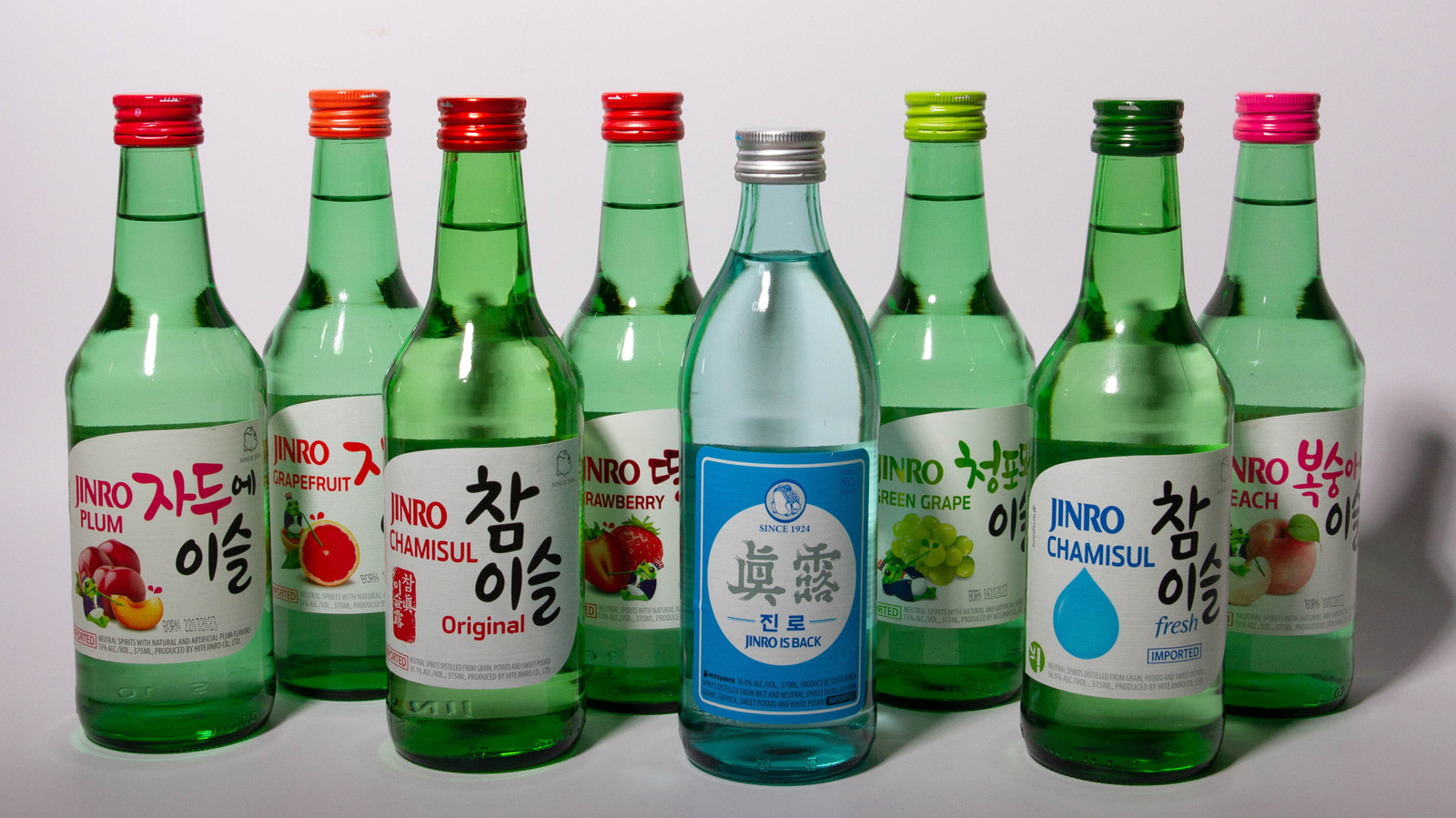
One of the secrets behind HiteJinro’s success is its ability to tailor products for global consumers.
Product Categories
- Classic Soju
- Chamisul Fresh, Jinro Original
- ABV: 16.5%–20.1%
- Flavored Soju
- Peach, grapefruit, green grape, lychee, apple
- Lower ABV (12–13%) → popular among young drinkers
- Zero-Sugar Soju
- Targets health-conscious consumers
- RTD (Ready-to-Drink)
- Canned cocktails, soju + tonic/lemonade variants
- Shelf-friendly, convenient for festivals & convenience stores
Regulatory Path to Market: Navigating North America
To legally distribute in North America, especially Canada, soju brands must follow strict regulatory guidelines.
Canada
- AGCO License: Required in Ontario for producers & distributors
- Must submit CRA documentation, facility plans, business model
- License Fee: ~$2,520 (Distillery)
- LCBO Process:
- Sign Master Supply Agreement
- Lab testing and compliance with packaging standards
- Price structure: Cost x 3 (to align with LCBO retail markup)
United States
- State-by-state regulations
- Must register with the Alcohol and Tobacco Tax and Trade Bureau (TTB)
- Varies by state: California and New York are more accessible
Cultural Marketing: Turning Soju into a Lifestyle Brand

Digital Strategies
- Influencer partnerships: TikTok, Instagram Reels, YouTube shorts
- Hashtag campaigns: #SojuNights, #KSojuCocktails
- Viral UGC featuring Korean BBQ, soju bombs, food pairings
Offline Experiences
- K-Soju pop-up bars in New York, LA, Vancouver
- Collaborations with Korean restaurants: “Buy 2 BBQ sets, get a bottle free”
- Live events at K-pop concerts, Korean culture festivals
Institutional Collaborations
- KOTRA: Market entry support
- Korea Tourism Organization: Brand synergy at cultural expos
- KOCCA: Cross-promotion with K-pop, K-drama, and webtoons
SWOT Analysis: HiteJinro in the North American Context
| SWOT | Reason |
|---|---|
| Strengths | 100-year brand trust, extensive product lineup, strong distribution |
| Weaknesses | Limmitted non-Asian brand recognition, high ABV perception |
| Opportunities | Cultural appeal, RTD and low-ABV trends, growing Korean food scene |
| Threats | Local RTD competition, alcohol regulation shifts, logistics costs |
Final Thoughts: Soju’s Global Future Starts in North America
Soju is no longer confined to Korean dining tables—it’s becoming a globally recognized spirit.
And leading the charge is HiteJinro, a company that has combined tradition, innovation, and cultural storytelling to introduce soju to the world.
North America represents not just a market—but a proving ground for K-Soju’s universal appeal.
If you’re a distributor, restaurateur, or retailer looking to invest in a future-forward alcohol category, now is the moment to ride the soju wave.
Because from K-pop playlists to your dinner table, K-Soju is here to stay.





 Boss Brief
Leave a comment