
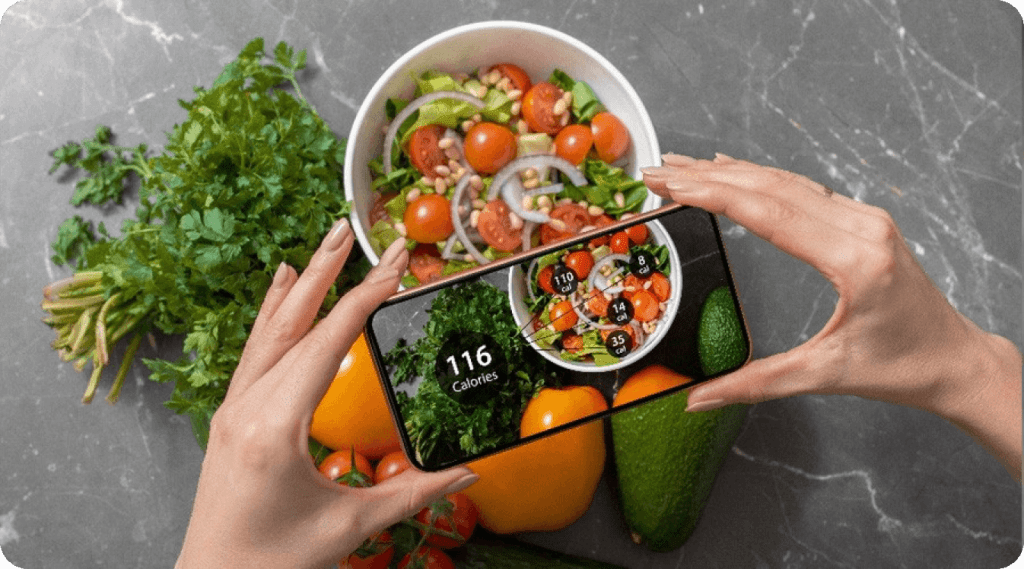
Why I Started Trusting AI With What I Eat
   These days, I've been thinking a lot about how I take care of myself — not just mentally, but physically too.

There was a time when I ate whatever was convenient or simply tasted good. But lately, something shifted.
I started asking myself, “What does my body actually need right now?”
That question, simple as it is, led me down a path I didn’t expect.
As someone who studied nutrition, I’ve always believed that food is more than fuel — it’s medicine.
Still, applying that belief to real life — to real meals, to daily habits — hasn’t always been easy.
But then I discovered something that changed how I see food completely.
One evening, I opened my fridge and saw a random mix of groceries. I wondered, Is any of this still fresh? Does it even meet what my body needs today?
That’s when I started exploring AI-powered food tools — apps and platforms that don’t just count calories, but actually recommend meals based on your health, medical data, even your mood.
I learned that in the U.S., there’s a rapidly growing industry focused on exactly this — and it’s called Foodtech.
What I found surprised me. This wasn’t just tech for convenience. It was tech for wellness.
How Big Is the U.S. Foodtech Revolution?
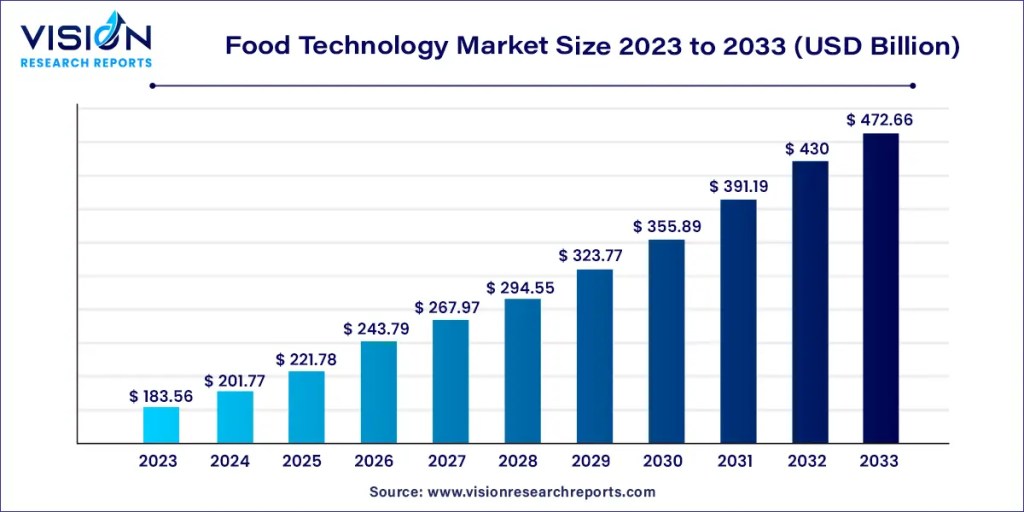
The U.S. foodtech industry is undergoing massive growth — driven by AI, robotics, and changing needs in health and aging.
People aren’t just eating anymore.
They’re curating their food — just like playlists — to match their medical conditions, hormone cycles, allergies, stress levels, and even insurance coverage.
Market Stats That Blew My Mind
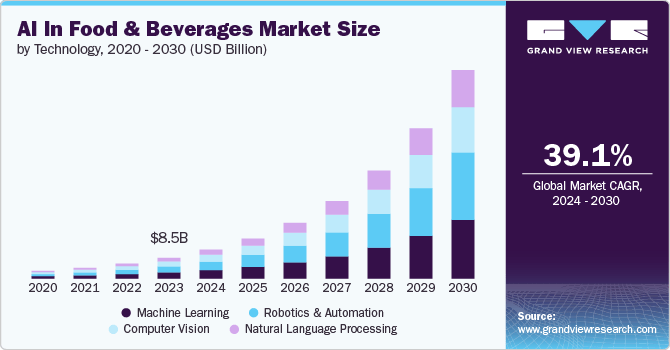
AI in Food & Beverage
→ $8.45B in 2023
→ Projected to reach $84.75B by 2030 (CAGR 39.1%)
(Grand View Research)

Smart Food Market
→ $559.7B in 2023
→ $1.2685T by 2030 (CAGR 12.4%)
(Next Move Strategy Consulting)
This growth isn’t just because of curiosity. It’s necessity.
With aging populations, chronic illness, and the rise of digital health, smart food is becoming essential.
🥗 RxDiet: When Food Becomes a Prescription

That’s when I found RxDiet, a Brooklyn-based startup that floored me.
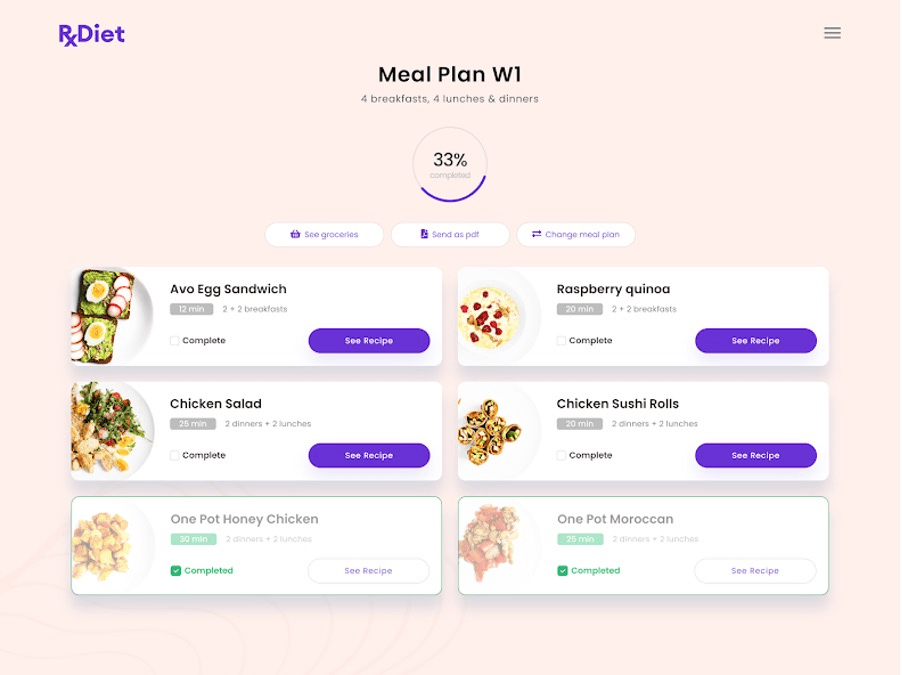
It’s not just a meal service. It’s a system that acts like a doctor, dietitian, and chef in one.
With AI, RxDiet looks at your:
- 🧬 Medical history
- 💊 Medications
- 🧘 Lifestyle
- 🥜 Food allergies & preferences
Then, it designs meal plans just for you, sends fresh ingredients to your door, and even coaches your eating habits through an app — all covered by insurance.
RxDiet Company Analysis Report
Company Overview
- Founded: 2018
- Headquarters: Brooklyn, New York
- Co-Founders:
- Dr. Roman Kalista (M.D.)
- Dr. Jan Skvaril (Ph.D.)
Founding Motivation

Dr. Kalista & Skvaril
Dr. Roman Kalista, a practicing physician, saw firsthand how poor nutrition was contributing to chronic illnesses.
His solution: build a platform that treats food as medicine, backed by clinical data and integrated with insurers.
Jan Skvaril, a machine learning expert, developed algorithms that recommend meals based on a user’s diagnosis, budget, lifestyle, and even geographical access to ingredients.
Core Product Features
| Feature | Description |
|---|---|
| AI Diet Planning | Personalized meals based on conditions, medications, habits |
| Ingredient Delivery | Fresh, tailored grocery delivery based on recommended meals |
| Behavioral Coaching | App-based nudges, nutrition education, virtual check-ins |
| Insurance Integration | Covered by health plans such as Aetna and Medicare Advantage |
Market & Industry Trends
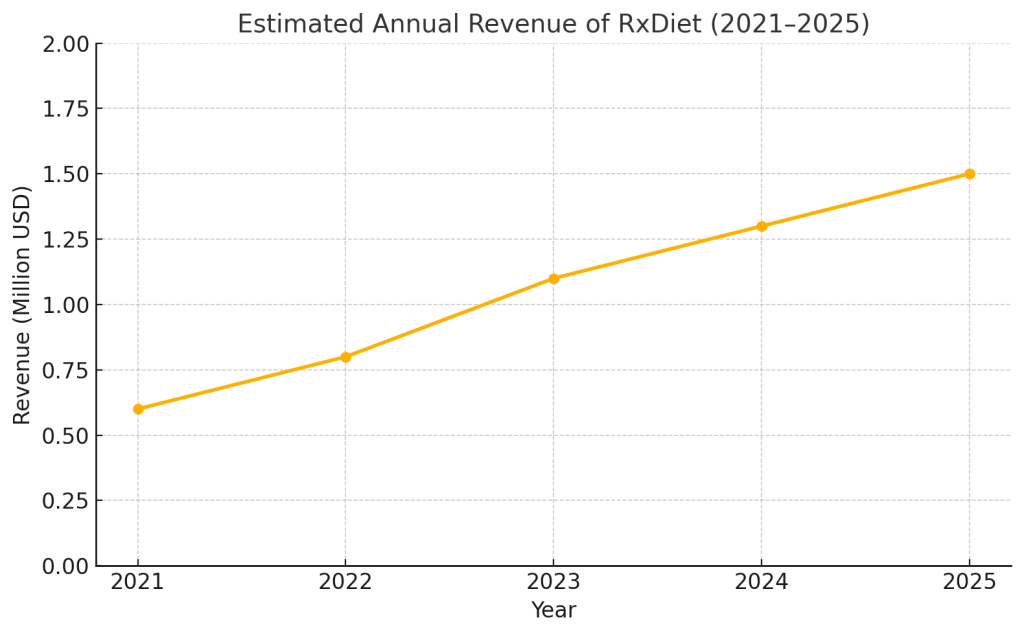
- CAGR : Expected % 20
- Projected Market Size:
- $1.5 Million (2025) → $3.7Million (2030)
Key Growth Drivers:
- Preventative health incentives by insurers
- Aging population demands diet-centric health
- Surge in digital health platforms powered by AI
Financials & KPIs
| Metric | Value |
|---|---|
| Latest Funding | $3M Seed Round (2024) |
| Employees | ~22 |
| Annual Revenue (est.) | ~$1.4M |
| Insurance Partners | 7+ |
| Net Promoter Score | 97 |
| Avg. HbA1c Drop | 3.36% (6 months) |
| Medication Adherence | +87% improvement |
These numbers are powerful. They’re not just about meals — they’re about measurable health improvements.
Competitor Comparison

| Competitor | Differentiation |
|---|---|
| Foodsmart | Lacks insurance partnerships |
| Nourish | Manual, non-AI meal planning |
| Fay | No behavior change coaching or AI automation |
SWOT Summary
| Strengths | Weaknesses |
|---|---|
| High AI precision, payer links | Early-stage brand awareness |
| Opportunities | Threats |
|---|---|
| Preventative care trend | Regulatory & IP risks |
10-Year Growth Outlook
RxDiet is built on a simple but powerful idea:
Preventing illness is cheaper than treating it.
The platform is well-positioned to become a category-defining leader by:
- Expanding insurer partnerships
- Entering public health initiatives
- Scaling into Europe and Asia (where chronic disease is rising)
“RxDiet is poised to redefine how food is used as medicine — at scale.”
AI That Sees the Invisible: Freshness, Safety & Personalization
When people hear “foodtech,” they often think of meal planning apps or personalized diets.
But behind the scenes, something much bigger is happening.
We’re entering an era where AI doesn’t just help you eat smarter — it helps you eat safer, cleaner, and more intentionally.
AI That Sees What Humans Can’t
Companies like Danone are using AI to detect microscopic packaging defects, boosting production efficiency and cutting errors by 5%.
Fast food giants like KFC, Taco Bell, and McDonald’s are adopting AI-powered X-ray systems to detect invisible contaminants like bone fragments or plastic in real time — things the human eye might miss.
This isn’t just food innovation.
It’s trust innovation — ensuring what we eat is safe at every step from plant to plate.
AI That Takes Your Order, Not Just Your Pulse
Even how we order food is evolving.
Yum! Brands — the parent company of KFC, Pizza Hut, and Taco Bell — partnered with NVIDIA to deploy AI voice ordering in over 500 stores.
The result?
✅ Faster service
✅ Fewer order errors
✅ A more seamless customer experience
People aren’t just getting what they ordered — they’re getting what they actually wanted.
Where It’s All Going: AI, Insurance & The Future of Eating
So what’s next?
We’re on the brink of a full-stack transformation of the food ecosystem — from clinical care to grocery aisles.
Here’s what’s already taking shape:
- 🩺 Nutrition APIs integrated into health insurance and doctor visits
- 🎙️ Voice-powered dietitian chatbots for real-time guidance
- 🛒 AI that links your wearable data (heart rate, glucose levels, etc.) to smart grocery carts
- 🌱 Carbon-tracking algorithms for sustainable food choices
- 🏥 Government-backed Food-as-Medicine programs targeting chronic disease
Food as Prescription — Now on the Menu
The phrase “food is medicine” isn’t just wellness-speak anymore.
It’s becoming infrastructure — baked into healthcare, AI ecosystems, and public policy.
From invisible quality control on the factory line to AI-guided decisions in your kitchen,
this is more than a trend. It’s a food revolution.
And it’s coming to a plate near you.
Why This Matters to Me
I used to think eating well was about willpower.
Now I see that it’s also about access. About tools. About having help when life gets overwhelming.
AI isn’t taking away our choices — it’s supporting them.
Just like how I once turned to an AI chatbot to untangle my emotions,
I now turn to foodtech to nourish my body — with less guilt, less confusion, and more confidence.
💬 How do you feel about AI planning your meals?
Would you trust a chatbot with your nutrition?
Let’s talk. I’d love to hear what you think. 😊




 Boss Brief
Leave a comment