
A few days ago, I visited Total Wine for work. Every time I walk into that store, I can’t help but feel like I’ve stepped into paradise for alcohol lovers. Lately, while Korean drinks like makgeolli and soju have gained traction, my attention has shifted more and more to wine—especially red wine.
To be honest, I used to know nothing about wine. It seemed expensive, complicated, and reserved for experts. But living in the U.S., I’ve been pleasantly surprised by how affordable and high-quality American wines can be. Among them, I found myself repeatedly drawn to one particular varietal: Cabernet Sauvignon.
One bottle in particular—Iter Cabernet Sauvignon from Napa Valley—captured my heart. It was bold yet balanced, rich in flavor, and budget-friendly.
That made me wonder:
“Isn’t wine originally a European tradition?”
“How did American wines become so respected worldwide?”
“What makes Cabernet Sauvignon such a global favorite?”
So I began to explore.
This post is the result of that journey: a deep dive into
- the origins of wine
- how Cabernet Sauvignon came to dominate
- why the U.S. wine market has become so influential
- and what makes American Cabernet Sauvignon stand out on the world stage.
The History of Wine and the Birth of Cabernet Sauvignon

➤ The Origins: From Ancient Georgia to Modern Wine Culture
The history of wine dates back over 8,000 years, with archaeological evidence pointing to ancient Georgia as its birthplace.
Wine spread through Egypt and Mesopotamia, eventually flourishing in ancient Rome, where it became part of daily life.
The Romans helped develop wine culture across Europe, particularly in France, which remains a global wine capital.
➤ Enter: Cabernet Sauvignon
Cabernet Sauvignon emerged in 17th-century Bordeaux, France, as a natural cross between Cabernet Franc and Sauvignon Blanc.
It thrived in Bordeaux’s gravelly soils and temperate climate, eventually becoming the signature varietal of the region.
Today, Cabernet Sauvignon is the most widely planted red wine grape in the world, cultivated in over 30 countries.
What Makes Cabernet Sauvignon So Iconic?
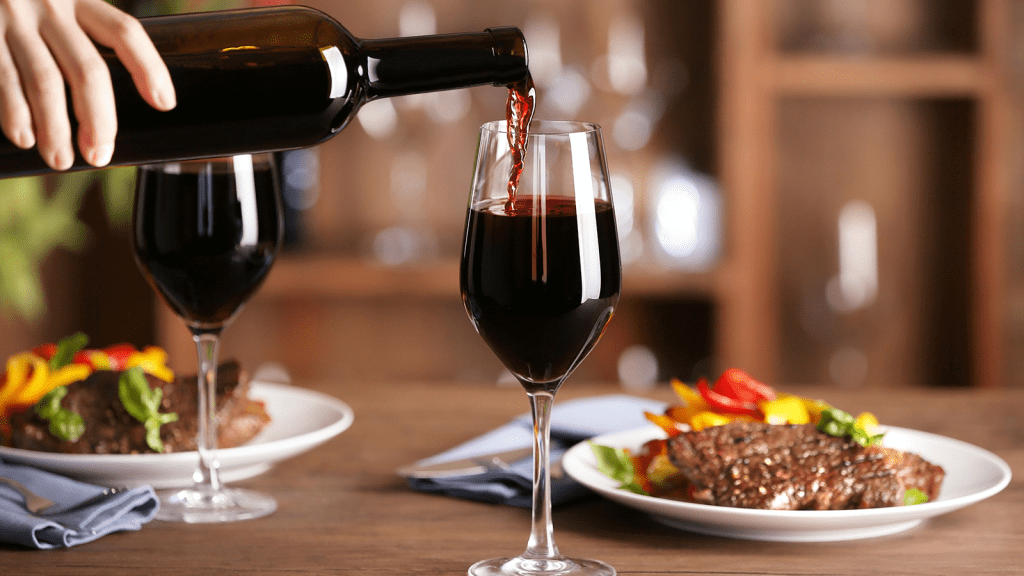
- Deep Color & Structure
- Rich ruby or dark purple hues
- High tannins for firm structure and aging potential
- Complex Aromas & Flavors
- Blackberries, cassis, plum
- Evolving notes of cedar, tobacco, leather, chocolate, cigar box
- Excellent with Food
- Pairs beautifully with red meats, aged cheeses, truffle dishes
- Adaptable to Various Climates
- Grows well in both Old World and New World regions
- Different terroirs result in diverse styles—from bold Napa reds to earthy Bordeaux blends
🇺🇸 The U.S. Wine Market Today (as of 2024)
Once considered a “newcomer” to wine, the United States is now the world’s fourth-largest wine producer, behind France, Italy, and Spain.
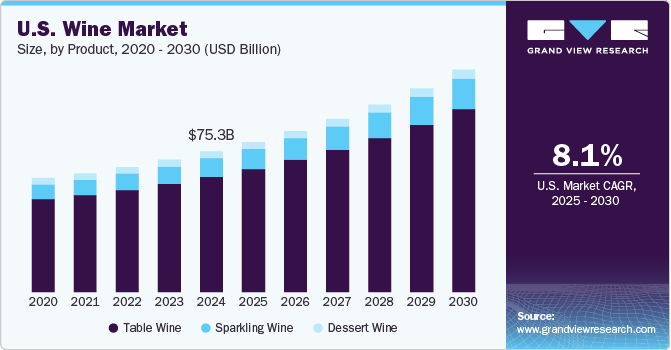
📊 Key Stats
- U.S. Wine Market Size: Approx. $75.3 billion (2024) 8.1% CAGR
- Consumption: Over 34 million hectoliters annually — making the U.S. the #1 wine-consuming nation
- California accounts for 81% of all U.S. wine production
- Key regions: Napa Valley, Sonoma, Paso Robles, Santa Barbara
🔍 Current Trends
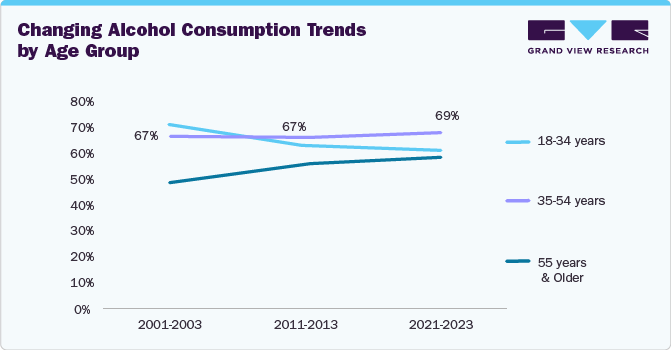
- Younger generations (Gen Z & Millennials) lean toward natural, low-alcohol, and RTD wines
- But Cabernet Sauvignon remains king among red wines
- Growth in at-home wine drinking, wine subscriptions, and online purchasing
- Increased demand for wine + travel + food experiences
The Global Impact of American Wine
The “Judgment of Paris” That Changed Everything

In 1976, a blind tasting known as the Judgment of Paris shocked the world:
American wines from Napa Valley beat out top-tier French wines in both red and white categories.
This event catapulted U.S. wine onto the global stage.
Export data (2023)
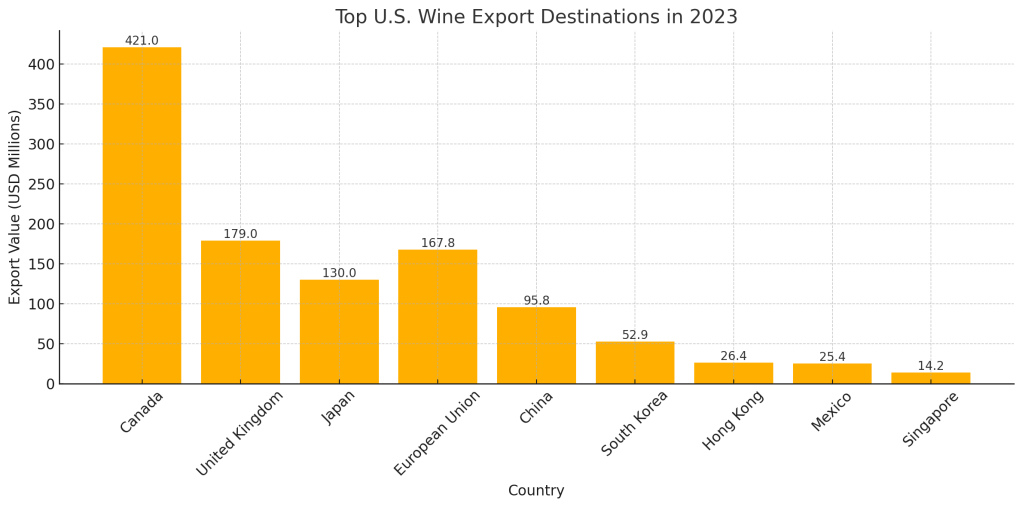
- Wine exports: $1.54 billion (2023)
- Top markets: UK, Canada, Japan, South Korea, Hong Kong
- Cabernet Sauvignon accounts for nearly 45% of all U.S. red wine exports
Popular American Cabernet Sauvignon Brands
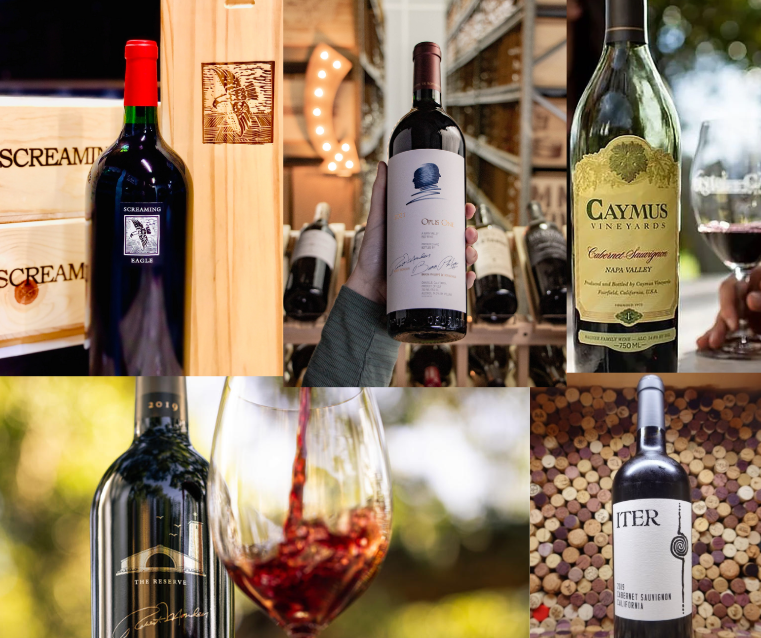
- Screaming Eagle
- One of Napa’s most prestigious wines
- Limited production, ultra-premium pricing
- Opus One
- A collaboration between Baron Philippe de Rothschild and Robert Mondavi
- Bordeaux-style elegance with California expression
- Caymus Vineyards
- Known for bold, fruit-forward, silky Cabernets
- Robert Mondavi
- A pioneer in making wine accessible to the public
- Offers everything from budget to premium bottles
- Iter Cabernet Sauvignon
- A hidden gem
- Balanced structure, rich dark fruit, affordable price—perfect for everyday enjoyment
Iter Cellars – Full Company Analysis Report

Manufacturer of Iter Cabernet Sauvignon
Company Overview

Company Name: Iter Cellars
Headquarters: Napa Valley, California, USA
Founder: Dario De Conti
Key Products:
- Iter Cabernet Sauvignon
- Iter Pinot Noir
- Iter Chardonnay
- Iter Sparkling Rosé
Industry: Premium Wine Production
Revenue Model:
- Direct-to-Consumer (DTC) e-commerce
- Retail partnerships and wine distributors
- Restaurant and hospitality channels
Target Market:
- Wine enthusiasts and casual drinkers
- Upper-middle-income consumers
- B2C focus
Summary:
Iter Cellars is a boutique winery located in the heart of Napa Valley. It was founded by Italian-born winemaker Dario De Conti, who combines Italian tradition with California innovation. The name “Iter” is Latin for “journey”, symbolizing a commitment to creating wines that accompany and elevate life’s meaningful experiences.
Winemaker Philosophy
“Wine is the warmest art that connects people.” – Dario De Conti
Background:
Dario began studying enology at age 14 in Veneto, Italy, and went on to earn a master’s degree in winemaking. His experience working at his family’s pizzeria instilled a lifelong belief: wine is not just a drink, but an essential companion to food and conversation.
Core Values:
- Tradition Meets Modernity:
Italian craftsmanship meets Napa innovation. - Food Pairing First:
Wine should complete and elevate the meal, not overpower it. - Connecting People:
A bottle of wine should bring people together around the table.
This philosophy is clearly reflected in Iter’s balanced, food-friendly style and approachable storytelling.
Industry & Market Analysis
U.S. Wine Market Overview:
The United States is the world’s largest wine-consuming country. California accounts for over 85% of U.S. production, with Napa Valley at the forefront of premium and ultra-premium wines.
CAGR (Growth Rate):
The U.S. wine industry is growing at approximately 3.5% annually, with demand especially strong for quality wines in the $15–$30 range.
Market Trends:
- Rising demand for boutique and small-batch wines
- Direct-to-consumer (DTC) channels growing rapidly
- Sustainability and organic practices gaining favor
- Experience-driven wine tourism expanding
Competitive Intensity:
With over 475 wineries in Napa alone, competition is fierce. However, Iter Cellars differentiates itself through its founder’s unique story, small-scale craftsmanship, and value positioning.
Financial Insight & Product Strategy
Product Pricing:
- Regular Cabernet Sauvignon: $13–$20
- Reserve Edition: $30+
- Sparkling and seasonal wines: $25–$35
Profitability:
Mid-priced premium wines with DTC distribution allow for margins of 40–60%, higher than the industry average of ~30–35%.
Key Distribution Channels:
- Specialty wine shops (e.g., Nobel Wine & Spirits)
- Direct e-commerce via winery website
- Upscale restaurants and retail partners
SWOT Analysis
| Type | Insights |
|---|---|
| Strengths | Napa Valley prestige, skilled winemaker, fair pricing |
| Weaknesses | Low brand awareness, limited marketing reach |
| Opportunities | DTC expansion, growing demand for sustainable wine, wine tourism |
| Threats | Climate variability, intense competition in premium segment, cost volatility |
Competitor Benchmark
| Category | Iter Cellars | Duckhorn Vineyards | Caymus |
|---|---|---|---|
| Brand Positioning | Boutique, value premium | Traditional premium | Ultra-premium |
| Avg. Bottle Price | $20–30 | $40–60 | $70–100 |
| Distribution | DTC + retail | Nationwide distribution | High-end retailers/fine dining |
| Production Volume | Small batch | Medium-large | Large-scale |
| Marketing Style | Storytelling-focused | Heritage-driven | Luxury experience |
10-Year Growth Forecast
Short Term (1–3 years):
- Improve quality ratings through precision winemaking
- Leverage wine review platforms and social media for brand exposure
- Expand DTC e-commerce channels (e.g., Shopify-based store)
Mid-Term (4–6 years):
- Increase wine club membership and presence at U.S. wine festivals
- Launch new wine styles (e.g., natural, orange wines)
- Establish a physical tasting room and tourism-linked events
Long-Term (7–10 years):
- Begin export to international markets (e.g., South Korea, Japan, Hong Kong)
- Develop a loyal customer base and become a recognized premium wine brand
- Obtain organic or carbon-neutral certifications
Key Takeaways
| Element | Summary |
|---|---|
| Identity | Boutique winery with a strong philosophical foundation |
| Brand Message | Wine as a journey, rooted in tradition and innovation |
| Competitive Edge | Napa Valley origin + Dario’s enology and food background |
| Strategic Focus | Mid-premium segment, DTC-first sales model |
| Future Vision | Brand expansion, export growth, experience-driven sales |
Iter Cellars is more than just a winery — it’s a philosophy in a bottle.
Founded by a passionate Italian winemaker who believes wine should be shared, savored, and remembered,
Iter is on a journey to make premium wine more accessible without sacrificing soul or quality.
With clear strategic positioning and a rising market trend in its favor,
Iter has the potential to become one of Napa Valley’s most resonant boutique names over the next decade.
Cabernet Sauvignon as the Flagship of American Wine
Cabernet Sauvignon is more than a grape variety—
It’s a symbol of history, identity, and evolution in the world of wine.
While its roots are in France, its potential has been fully realized in places like Napa Valley,
where innovation, climate, and passion come together to produce world-class wines.
American wine is no longer following Europe’s lead—
It’s carving out its own legacy with bold styles, inclusive branding, and global reach.
Moving forward, the U.S. wine industry will continue to thrive by:
- Embracing premium positioning
- Leveraging Gen Z-friendly marketing & content
- Expanding omnichannel distribution (online & offline)
- Leading sustainable, environmentally conscious production
As someone who started out knowing very little about wine, I now find myself excited to learn more—
And at the heart of that journey has always been Cabernet Sauvignon.
With every glass of Iter or Opus One, I taste more than just wine—
I taste a story that began centuries ago and continues to unfold, one sip at a time.





 Boss Brief
Leave a comment