
How Apple Intelligence, Siri AI, and Vision Pro 2 Are Reshaping the Future
“WWDC 2025 wasn’t just a product launch — it was Apple’s declaration that AI is now at the heart of everything.”
Each year, Apple’s Worldwide Developers Conference (WWDC) brings exciting announcements. But WWDC 2025 was on another level. This was more than a series of software updates or hardware upgrades. It was a bold statement: Apple is all-in on AI.
With the launch of Apple Intelligence, a completely reimagined Siri AI, and a highly refined Vision Pro 2, Apple has officially entered the AI arena — and it’s doing it the Apple way: private, integrated, and user-first.
Apple Intelligence – AI, Reimagined the Apple Way

Apple isn’t just calling it “AI” — it’s calling it Apple Intelligence. That subtle difference is important. While other tech giants focus on cloud-based solutions, Apple emphasizes on-device intelligence, contextual awareness, and user privacy.
Core Features:
- Next-gen Siri AI: No longer just a voice assistant, but a smart, conversational partner.
- On-device large language models (LLMs): Your data stays local — AI runs natively on your iPhone, iPad, or Mac.
- Context awareness: Siri knows what you’re doing, what app you’re in, and what you need next.
- Generative AI features: Rewrite emails, summarize documents, auto-compose content in Mail, Notes, Safari, and Calendar.
- ChatGPT integration: With your consent, Siri connects to OpenAI for complex queries — with full transparency.
Apple Intelligence isn’t just smart — it’s personalized, and that’s the real differentiator. It blends intelligence with Apple’s signature UX design and privacy-first approach.
Siri AI – From Frustrating to Fantastic
Let’s be honest — Siri has lagged far behind Google Assistant, Alexa, and even Bixby for years. But at WWDC 2025, Siri finally had its glow-up. This isn’t the Siri we knew — this is Siri AI, powered by Apple Intelligence.
📌 What’s New:
- Conversational memory: Siri remembers previous interactions and builds context.
- Screen awareness: Ask “Email this photo to my mom,” and Siri knows which photo you’re viewing.
- Deep app integration: “Show my May invoices from Notion” — it works seamlessly.
- Tone rewriting: Adjust email tone — professional, friendly, or assertive — with a single command.
- Multi-turn dialogue: You can correct, revise, or clarify your request naturally.
In live demos, Siri AI summarized a PDF, rewrote a long email in seconds, and found specific road trip photos using only voice. If the release version lives up to the demo, Siri might finally become the assistant we hoped for in 2011.
Vision Pro 2 – Spatial Computing, All Grown Up
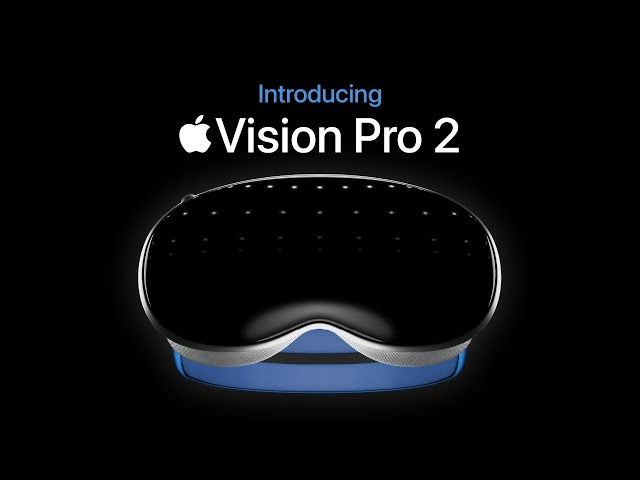
Apple also announced the Vision Pro 2, its second-generation mixed reality headset. While Vision Pro 1 was groundbreaking, it came with limitations: it was bulky, pricey, and not yet essential. Version 2 directly addresses those concerns.
Key Upgrades:
- 20% lighter: Designed for longer wear, better ergonomics.
- M2 Ultra chip: Faster rendering and AI-powered performance.
- 4.5-hour battery life: Suitable for work sessions, meetings, and content consumption.
- VisionOS 2.0: Smarter multitasking, better pass-through, spatial memory improvements.
- Integrated Apple Intelligence: “Bring up last week’s design files” → they appear in your space.
Developers are already building AI-powered spatial apps — think collaborative design, remote training, virtual meetings, and logistics monitoring.
iOS 19, iPadOS 19, macOS Sequoia – AI on Every Apple Device
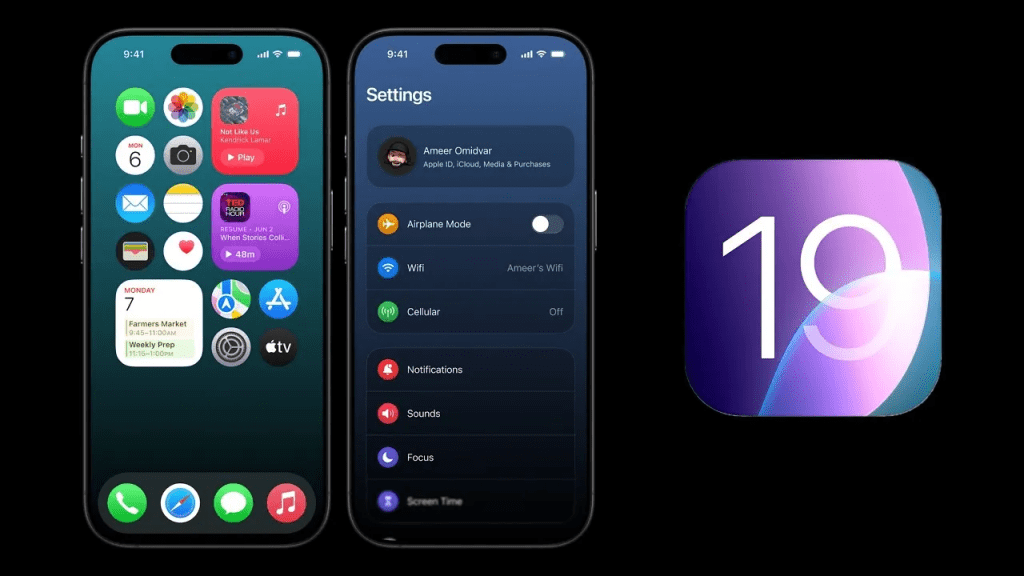
Apple Intelligence isn’t limited to one device. It’s embedded across iPhone, iPad, and Mac, making your entire Apple ecosystem intelligent.
iOS 19:
- Smart Recaps: Siri summarizes missed notifications.
- Live Rewrite: Rewrite messages, emails, and social posts in real-time.
- AI Wallpapers: Generate dynamic backdrops based on time, weather, and mood.
iPadOS 19:
- Apple Pencil + AI: Handwritten notes convert into structured, typed documents.
- Pro-level automation: AI generates shortcuts based on your habits.
macOS Sequoia:
- AI-powered file management: Smart folders organize files by context and project.
- Siri in Spotlight: Unified, intelligent search across apps, documents, and web.
Every platform benefits from Apple Intelligence — offering seamless, contextual assistance without compromising user privacy.
Apple vs. Big AI – Late to the Party, But Playing a Different Game
Let’s face it: Apple arrived late to the AI party. Microsoft partnered with OpenAI, Google launched Gemini, Meta introduced LLaMA. So why does Apple’s version matter?
Key Differentiators:
- On-device processing → Your data never leaves your device.
- Contextual AI → Knows your apps, your data, your needs.
- Human-first UI → Embedded in native apps — not just another chatbot.
- Siri AI → A rebuilt assistant finally worth using.
Rather than compete with ChatGPT or Gemini, Apple focuses on integration, experience, and trust. It’s not about creating the smartest AI — it’s about building the most usable, private, and delightful one.
The Apple AI Ecosystem – A Whole New Way to Use Devices
This year’s WWDC wasn’t just about “adding AI features” — it was about redefining how we interact with our devices.
- iPhone becomes your personal AI engine
- Siri becomes a daily partner
- Vision Pro becomes a spatial workspace
- Mac and iPad become creativity tools powered by generative AI
Whether you’re a student, creator, business professional, or just a casual user — Apple Intelligence helps you think, create, and work faster.
Final Thoughts – Apple Wasn’t First, But It Might Be Best
It’s tempting to say Apple is late to AI. But remember: Apple wasn’t first to smartphones either — it just made the best one.
Apple Intelligence is not revolutionary because of raw power — but because of how well it fits into your life. It’s AI that’s private, personal, and seamlessly integrated.
This is the Apple AI we’ve been waiting for — and now, it’s finally here.




 Boss Brief
Leave a comment