
Let me ask you something — have you ever heard of Dubai chocolate?
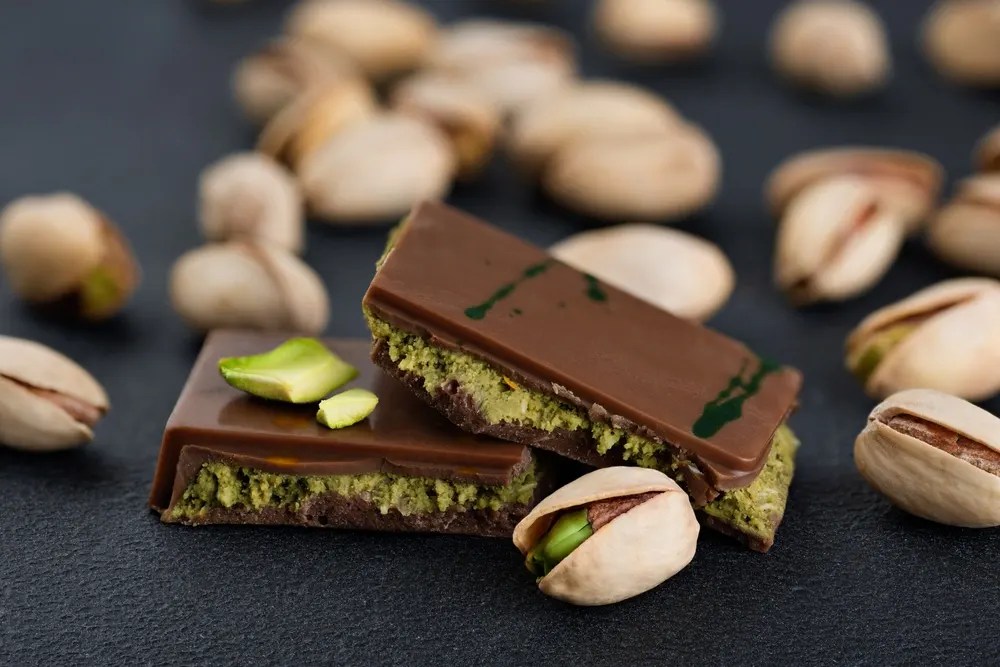
No, seriously. Not just any chocolate. I’m talking about that viral dessert with silky pistachio cream, crispy kataifi, and rich chocolate coating.
It’s been all over my feed lately — TikTok, Instagram Reels, even food blogs.
And yes… I finally tried it.
A friend brought me a piece from her trip to Dubai, and the moment I took a bite, I understood the hype.
It wasn’t just a dessert. It felt like a luxury experience packed into one bite. Sweet, nutty, crunchy, creamy — almost too perfect.
But here’s what blew my mind more than the taste:
This one little chocolate? It’s sparking a full-on craze in the U.S. — and even causing real trouble in the global pistachio supply chain.
So I started digging.
And what I found was more than just a trend.
It’s a case study in how food, social media, and global trade collide — all because of one dessert.
Let’s dive into how Dubai chocolate took over the internet… and started changing the real world.
A Single Bite Changed Everything
In the past few years, a new dessert trend has taken over the world — and it all started with one bite.
We’re talking about “Dubai chocolate,” a rich, luxurious treat that goes beyond your average truffle or bonbon.
This isn’t just chocolate — it’s a handmade piece of edible art:
✨ A crisp shell of chocolate
✨ Filled with luscious pistachio cream
✨ Layered with golden-fried kataifi (Middle Eastern shredded pastry)
✨ Blended with tahini for an extra nutty depth
Originally created by Dubai-based Fix Dessert Chocolatier, this confection is as much a sensory experience as it is a sweet indulgence.
The TikTok-Fueled Sweet Obsession
The global hype started on TikTok in 2021, when influencer Maria Behara posted a video of her trying the treat in Dubai.
The result? Over 120 million views, and an instant global craving.
People around the world began asking the same question:
“Where can I get this?!”
But here’s the catch: Fix’s chocolate is only available in Dubai. It’s made in limited quantities — just 500 per day, by hand, and only sold through local delivery apps.
That scarcity? It turned into desirability. Resale platforms now offer them at 2–3x the original price.
From TikTok to Times Square: Brands Jump In

Naturally, the U.S. market couldn’t ignore the trend. Major brands across the food & dessert space began releasing Dubai chocolate-inspired products.
🔥 Who’s Doing What?
- Crumbl Cookies
→ Released two items: Dubai Chocolate Brownie & Dubai Chocolate Cheesecake
→ Let customers vote on whether to make them permanent menu items - Shake Shack
→ Debuted a Dubai Pistachio Shake featuring vanilla ice cream, pistachio cream, and kataifi in chocolate-dipped cups
→ Sold in limited locations (NYC, LA, Florida) - Läderach & Lindt
→ Swiss chocolate brands joined the wave with pistachio-kataifi inspired treats - Ghirardelli
→ Held a one-day special: “Dubai Chocolate Sundae” at its NYC Empire State Building location - Trader Joe’s & Costco
→ Released pistachio dark chocolate and “Dubai chocolate bars” as seasonal or exclusive items
“Dubai chocolate isn’t just a trend — it’s borderline obsession for some customers.”
— Sawyer Hemsley, Chief Brand Officer at Crumbl
The Sweet Crisis: Pistachio Shortage on the Rise
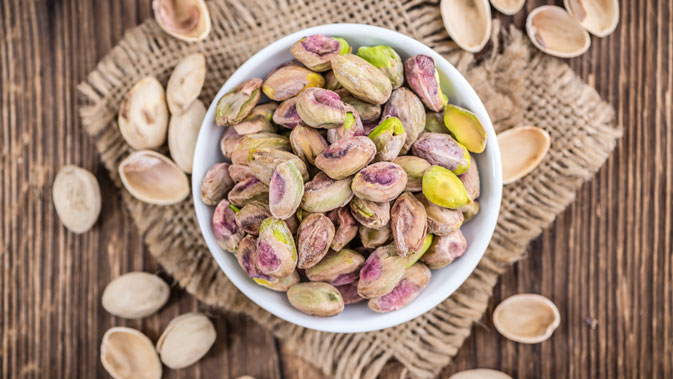
With the hype came a major side effect: global pistachio shortages.
Why? Because this tiny nut isn’t just a garnish anymore — it’s the centerpiece of a billion-view trend.
🇺🇸 U.S. Pistachio Production — What Went Wrong?
America is the world’s top pistachio producer. But in 2023, the harvest underperformed — both in quantity and processing quality.
In particular, pistachio kernels (the shelled version used in desserts) saw limited availability.
And now, thanks to Dubai chocolate mania, manufacturers are snapping up every last bit of it.
📈 The Numbers Don’t Lie
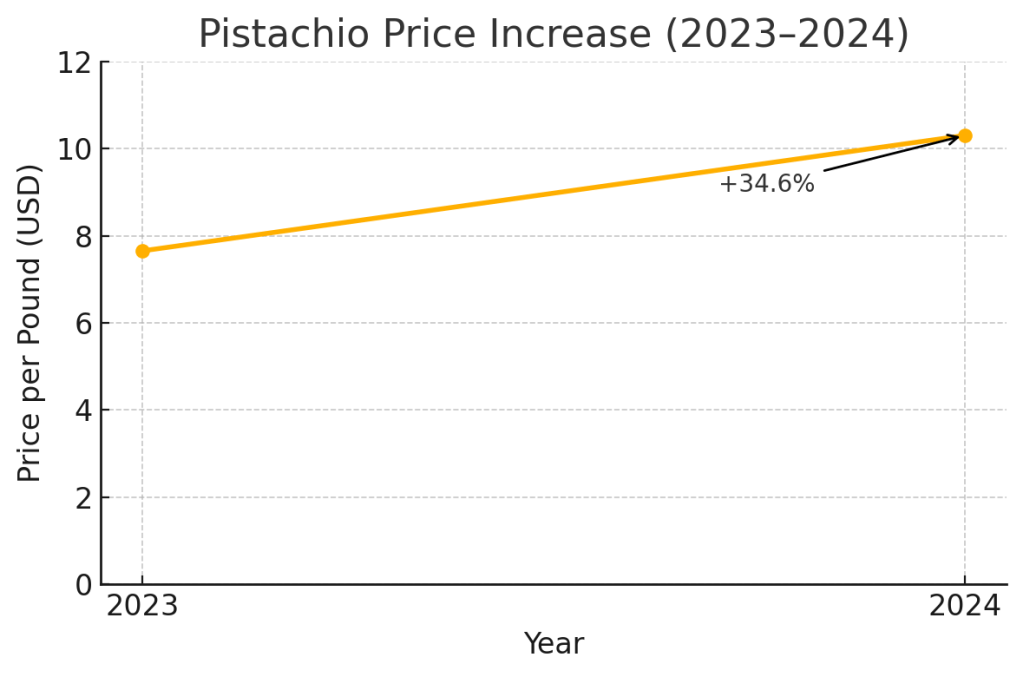
- 2023: $7.65 per pound
- 2024: $10.30 per pound
- 🔺 +34.6% increase in just one year
“The market’s basically dry. Everyone’s hoarding kernels. Inventory is gone.”
— Giles Hacking, Nut Commodity Trader
Farms Are Adapting — Slowly

In California, some almond growers have begun switching to pistachio trees, but that’s a long game.
🕒 First harvest? Not until late 2025 or even 2026.
Pistachio trees take 3–5 years to mature.
Until then, the shortage isn’t going anywhere.
Lessons for the Industry: Not Just a Fad
The “Dubai chocolate” phenomenon proves that a social media trend can ripple through global agriculture, pricing, and production.
Key Takeaways:
- Trends can explode demand overnight
- SNS culture drives immediate consumer expectations
- Raw ingredient markets are not ready for viral demand
- Brands must adapt or fall behind
💡 Expert Insight
“This isn’t about just one dessert — it’s about how a food trend becomes a global culture shift.
Pistachio isn’t just an ingredient. It’s a lifestyle signal now.”
— A, NYC Market Consultant
What Companies Should Do Now
1. Diversify Supply Chains
Avoid reliance on single-origin pistachio suppliers
2. Secure Long-Term Contracts
Lock in pricing and priority access for high-demand ingredients
3. Develop Substitute Recipes
Use hazelnuts, almonds, or tahini to create similar flavor profiles
4. Track Trends in Real Time
Use social listening tools to monitor and respond to viral food movements
When Dessert Becomes Disruption
Dubai chocolate started as a sweet craving — now it’s a global case study in consumer behavior, supply chain fragility, and brand adaptability.
In today’s digital-first, trend-driven food landscape, a single bite can move markets.
And if we’ve learned anything, it’s this:
The next big shift in global food economics? It might just start with a TikTok.


 Boss Brief
Leave a comment