
     A few years ago, South Korea was completely swept up by the spicy craze brought on by a single name: Buldak Ramen.
On social media, the “Buldak Challenge” went viral, with countless videos of people daring to try its fiery heat.
Starting with the original, variations like Cheese Buldak, Carbonara Buldak, Mala Buldak, and Jjajang Buldak followed one after another.
At one point, Buldak wasn’t just an instant noodle anymore—it had evolved into an entire spicy universe of its own.
I’ve always been good with spicy food, but the first time I tried Buldak Ramen, it was so spicy my mouth went numb.
Still, I couldn’t stop thinking about it—the addictive flavor kept me coming back for more.
With every new version, I kept giving it another go, and eventually, it became a regular presence on my dining table.
Then one day, Buldak “sauce” was released on its own, and before long, I heard that it was creating a huge buzz in the U.S. market.
It wasn’t just the spiciness that was drawing attention—American consumers were incorporating the sauce into chicken, pizza, burgers, tacos, sandwiches, and more, treating it as an essential trend in sauces. That really surprised me.
Until recently, when people in the U.S. thought of “hot sauce,” it was basically just Tabasco or Sriracha.
But now, Buldak sauce is so popular you can find it at regular stores.
As a Korean, that was both incredible and deeply gratifying.
And so I started to wonder:
“Just how far has Buldak Sauce gone in the U.S.?”
“How did K-spicy flavors win over the global palate?”
To answer those questions, today we’re diving into the booming U.S. hot sauce market
and discovering how Buldak Sauce has become a true icon of K-food abroad.
Buldak, Sriracha, Truff… The World Is Hooked on Heat
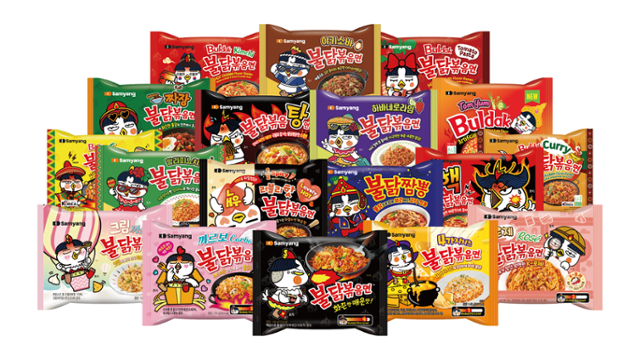
These days, one of the most common things I hear from friends returning from a trip to the U.S. is:
“Hey, I saw Buldak sauce in America! Their hot sauce game is insane.”
At first, I laughed it off—but now, I’m genuinely intrigued.
“How did hot sauce become such a massive trend in the U.S.?”
That curiosity peaked when I learned about the Buldak Sauce Experience Zone set up at the recent Coachella Music Festival.
A Korean hot sauce officially sponsoring one of the biggest global music festivals?
And it’s the first-ever Korean food brand to do so!
That was when I decided to put it all together.
Right now, America is obsessed with spicy flavors, and leading the charge is Korea’s own Buldak Sauce.
Welcome to the U.S. Hot Sauce Boom

As of 2024, the U.S. hot sauce market is worth $1.095 billion,
a 6.8% increase from the previous year.
And by 2032, it’s expected to hit $1.95 billion, growing at a compound annual growth rate of 7.6%.
Since the COVID-19 pandemic, with more people cooking at home, hot sauce has moved from being a side condiment to an essential pantry item.
Now, it’s not just pizza and tacos—hot sauce is going into coffee, honey, cheese, milk, even cupcakes.
Gen Z: The Real Spicy Drivers
Especially among Gen Z, spicy flavors have become a cultural obsession.
According to NC Solutions:
- 97% of Americans consume hot sauce
- 51% enjoy it at least once a week
- Over 50% of Gen Z identify themselves as “hot sauce connoisseurs”
- 34% have bought hot sauce after seeing it on social media
- 62% of Americans feel “Spicy” labels make them more likely to buy a product
- 60% of Gen Z want to try spicy food from all over the world
Even more impressively, about 25% of Gen Z and Millennials carry their own hot sauce when dining out.
At this point, it’s not a preference—it’s part of their identity.
🇰🇷 Buldak Sauce: A Global K-Spicy Success Story
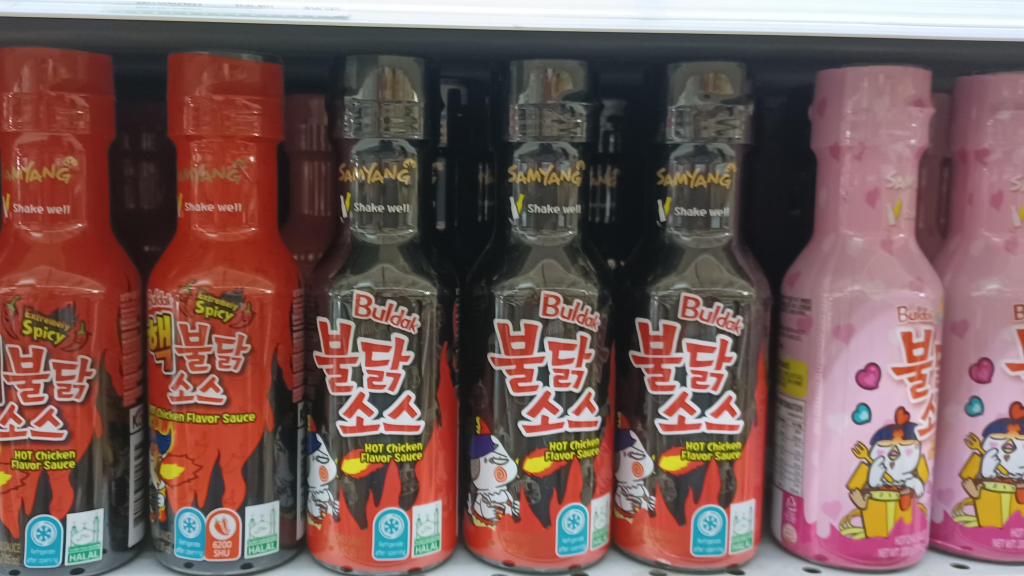
We’ve known for a while that Samyang’s Buldak Ramen is popular globally.
But now, Buldak Sauce itself is emerging as a standalone hot sauce brand in the U.S.
In April 2025, at Coachella in California,
Buldak Sauce hosted an interactive booth and stick-style sample kiosks, drawing huge crowds.
The event also featured K-pop stars like BLACKPINK’s Jennie and Lisa, BTS’s Jungkook and Jimin, and ENHYPEN, blending K-pop and K-spicy for a full cultural showcase.
Samyang Foods Company Report (2024)

1. Company Overview
Samyang Foods, founded in 1961, is Korea’s pioneering ramen manufacturer, globally known for its iconic Buldak (Hot Chicken Flavor) series. The company exports to over 100 countries, with strongholds in the U.S., Europe, and Southeast Asia.

- HQ: Seoul, Korea | CEO: Jung-Soo Kim
- Main Products: Buldak Ramen, Samyang Ramen, Jjajjaroni
- Revenue Model: B2C-based domestic and export sales
- Key Markets: U.S., SEA, EU
2. CEO Philosophy
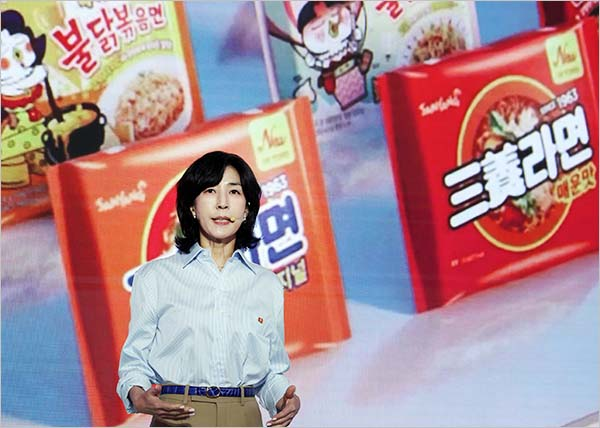
CEO Kim embraces the concept that “K-ramen is culture, not just food” and focuses on expanding the emotional connection between Gen Z/Alpha and the Samyang brand, leveraging SNS and viral marketing.
3. Financial Summary (2019–2023)
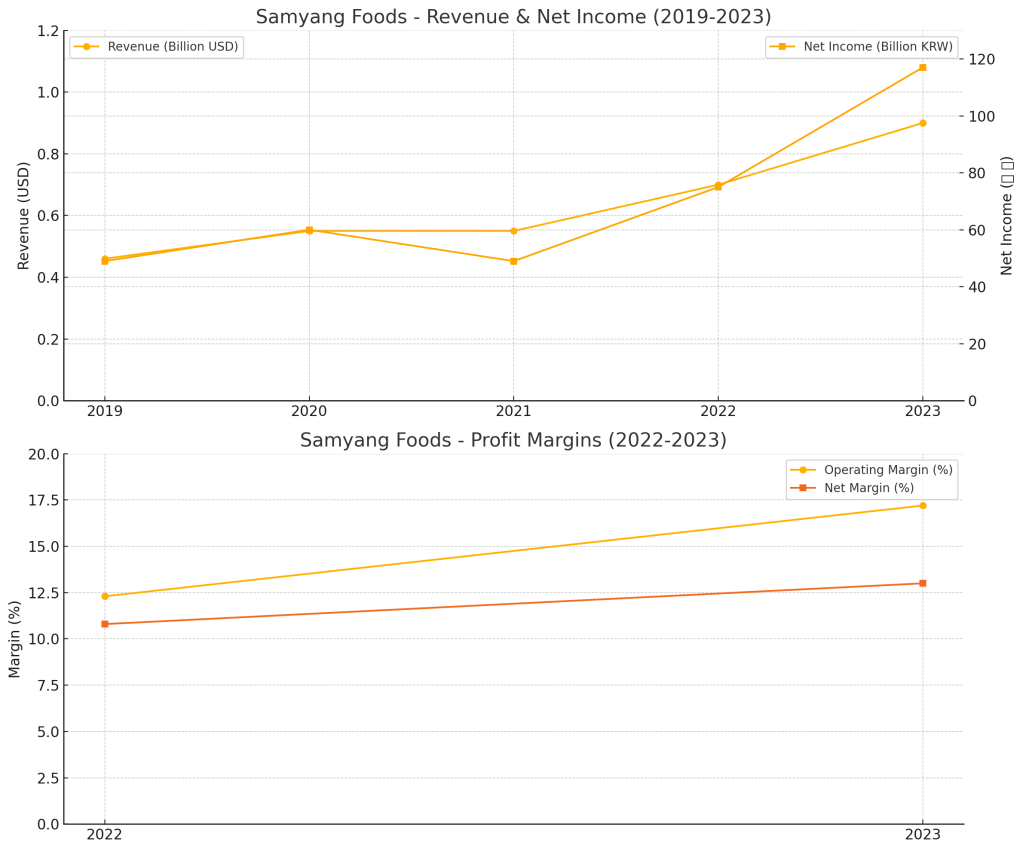
- Revenue Growth: CAGR ≈25%
- 2023 Net Profit: ₩117B | OPM: 17.2% | ROE: 39%
- Low Debt Ratio (<45%) | Strong Cash Flow
- Valuation: P/E ≈32x, P/B ≈10.8x
4. SWOT Summary
Strengths: Global recognition, high ROE, viral marketing
Weaknesses: Dependence on Buldak series, high valuation
Opportunities: U.S./EU distribution growth, social media reach
Threats: Recall risks, competition, FX volatility
5. U.S. Market Highlights
- U.S. revenue in 2023: $280M (+127%)
- Widespread entry into top U.S. retailers
- High preference among Gen Z / Alpha generations
- Samyang America revenue: $91M (+62%)
6. Outlook
- 10-year growth trajectory stable with 20–22% CAGR
- Expected $2B global revenue by 2030
- Brand diversification & global health compliance are keys
🌶 The Top Hot Sauce Players in the U.S.
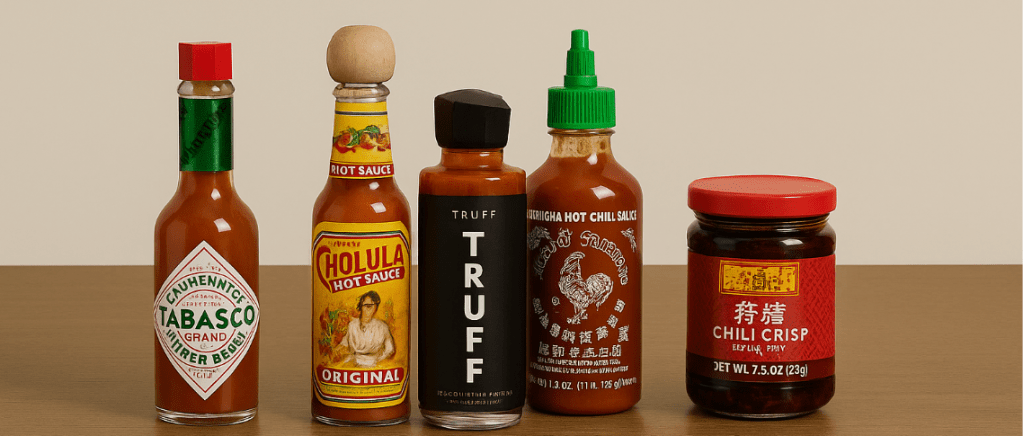
- Tabasco
The original American hot sauce—vinegar-based, tangy, and iconic. Known for its classic bottle design. - Cholula
A Mexican-style hot sauce with earthy spices like cumin and clove. Now offers over 8 flavor variations. - Truff
A premium hot sauce brand infused with truffle oil. Popular among MZ consumers who value experience-based products. - Sriracha
The Thai-origin hot sauce that’s now mainstream in everything from sushi to burgers. - Lee Kum Kee (Chili Crisp)
A Chinese brand known for its crunchy chili oil. Beloved by spicy food lovers across Asian cuisine and beyond.
Spicy Collabs: Hot Sauce Meets Everything
Hot sauce brands are no longer just selling sauce—they’re partnering with other food brands to expand their spicy empire.
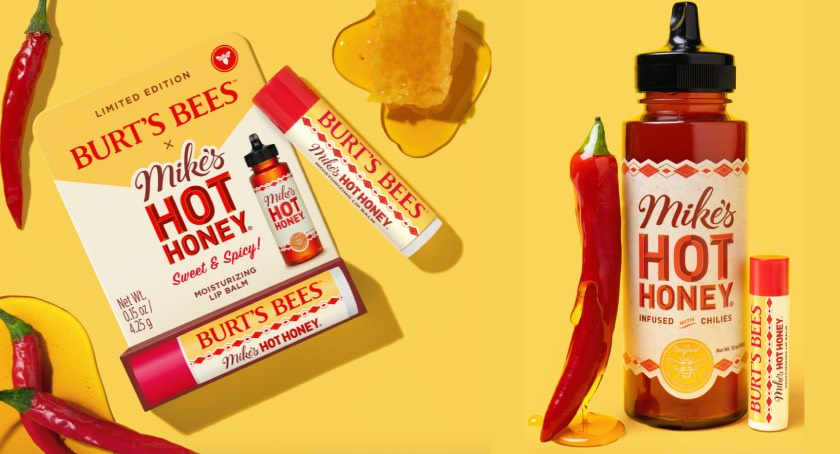
💡 Examples:
- Mike’s Hot Honey → Partnered with KFC, pizza brands, almond snacks, and even lip balm.
- Cholula → Collaborated with Sargento to create spicy cheese.
- Tabasco → Worked with Bake by Melissa (spicy cupcakes) and Califia (spicy almond milk).
We’re seeing spicy honey, spicy milk, spicy cupcakes, and more.
The hottest trend? Swicy — a mix of Sweet + Spicy.
74% of Americans said they’re curious to try Swicy food or drinks.
Celebs Are In On It Too
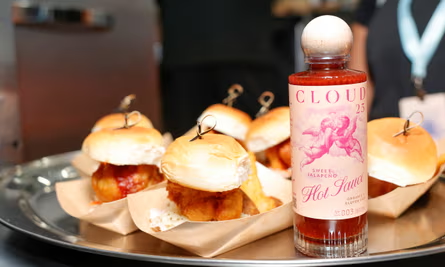
Global celebrities are also diving into the hot sauce game.
Brooklyn Beckham, son of David Beckham, launched his own hot sauce brand Cloud 23, using his influence to promote it on YouTube and social media.
K-pop idols are also driving the trend:
- BTS’s Jungkook and Jimin have shown their love for Buldak Sauce
- BLACKPINK’s Rosé joined spicy food challenges
- Fans mimicked them, creating a “Buldak Challenge” craze online
Key Takeaways: Spicy Is Culture
Hot sauce isn’t just a condiment anymore—
it’s a cultural signifier, a social media phenomenon, and a global market force.
✅ What Food Companies Need to Prepare For:
- Diversify suppliers to reduce ingredient risk
- Develop flexible recipes that use alternative spicy ingredients
- Improve social trend monitoring to stay ahead
- Build K-sauce strategies around gochujang, spicy soy, and Korean fermented sauces
Final Thoughts: Spiciness That Moves the World
In today’s U.S. market, hot sauce isn’t something you just “add”—
it’s something you experience, share, and live.
At the center of it all is Buldak Sauce and the K-spicy movement.
Spicy flavor is connecting the world.
And for Korean sauce brands, there has never been a better time to go global and claim their place in this expanding market.


 Boss Brief
Leave a comment