

🦑 A few years ago, the sensationally popular Squid Game finally brought its epic saga to a close.
    I still vividly remember the day Squid Game was first released. The shock and surprise of realizing, “Did this kind of content really come out of Korea?”
There was a lot of buzz and debate over its themes and concept back then.
Many were taken aback by the idea of turning innocent childhood games into a brutal survival contest, and there were doubts over whether such an extreme story could go beyond mere entertainment and actually deliver a meaningful message.
But as each season unfolded, we came to understand.
Squid Game was not just a provocative survival drama.
It was a masterpiece that illuminated the dark corners of Korean society, captured the universal desires and survival instincts of human beings, and still managed to deliver an engrossing, well-crafted story.
What amazed me the most was how this story transcended borders and resonated around the world.
Through Netflix, Squid Game became more than just a Korean phenomenon — it became a global story, crossing cultures and languages to touch the hearts of viewers everywhere.
Watching that, I couldn’t help but think, “This really is a brilliantly made piece of work.”
It wasn’t just a testament to the growth of Korean content, but also a symbol proving that uniquely Korean narratives could captivate the entire world.
Now, as this long journey comes to an end, we find ourselves reflecting once again —
why Squid Game was created, and how it came to be loved so much.
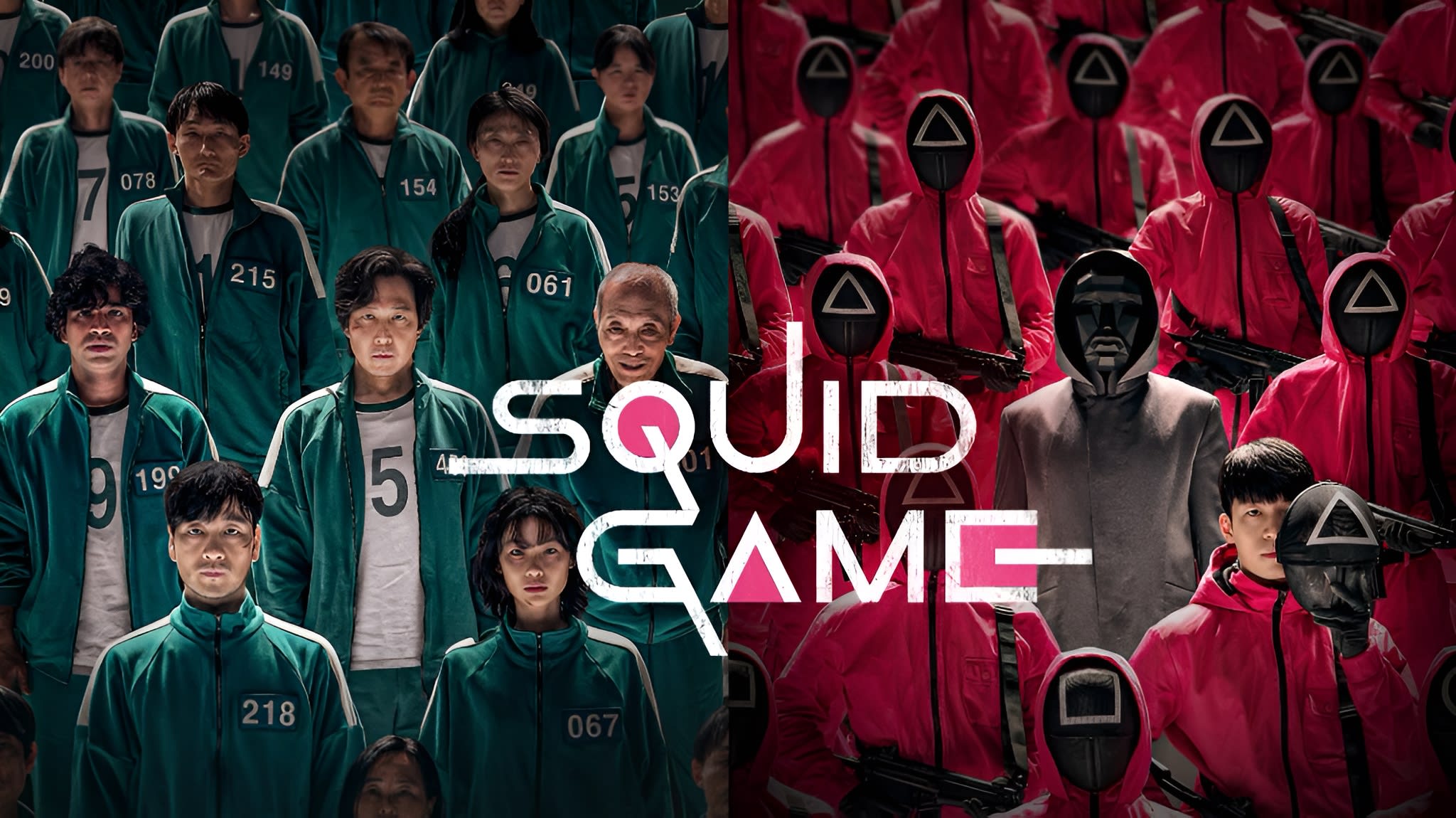
In the fall of 2021, the globally acclaimed K-drama Squid Game premiered on Netflix, taking the world by storm.
At the time, none of us knew that this series would become more than just entertainment — it would turn out to be a mirror, reflecting the darker realities of Korean society.
And finally, on June 27, 2025, with the release of Season 3, the story reached its conclusion.
For Koreans, Squid Game was far more than just a brutal drama about survival games.
It was a social report, encapsulating the wealth gap, the culture of cutthroat competition, and the desperate choices people are forced to make just to survive.
In Season 3, these messages were even more poignant, leaving viewers with a mix of shock, disappointment, and a sobering sense of reality.
Season 3: A Cruel Finale After the Long Wait

After the shocking ending of Season 2, global fans waited nearly six months for Season 3.
In particular, expectations were sky-high for what protagonist Gi-hun (played by Lee Jung-jae) would ultimately do to bring about change.
But in the final episode of Season 3, we witnessed Gi-hun’s death.
The man who had survived Season 1 finally fell helplessly before the massive system, leaving many Korean viewers once again asking the question: “Does justice even exist?”
The characters who survived in the end were villains or those who had become part of the system, a symbolic reflection of how, in real life, kind-hearted people are often eliminated while ruthless and calculating individuals rise to the top.
How Squid Game Reflected Korean Society
The most powerful message of Squid Game was the “extreme manifestation of a survivalist society.”
The tug-of-war and marbles games from Season 1 — childhood memories for many Koreans — became horrifying, life-or-death contests, shocking audiences all the more because of their familiarity.
By Season 3, even the structure of the games evolved, requiring not just physical survival but the destruction of one’s morals and humanity.
Participants increasingly had to abandon their humanity to continue playing.
These portrayals resonated deeply in Korea, where high suicide rates, cutthroat academic competition, and the despair of young job seekers are tragically real.
Seoul’s Night: Squid Game Illuminated Reality

On the night of June 28, 2025, in Seoul Plaza, the facade of the old City Hall building was illuminated with a projection of Young-hee, the iconic animatronic doll from Squid Game.
Hundreds of citizens raised their smartphones to capture the moment, while others simply lowered their heads in silence.
It was more than just a promotional event.
Many spectators remarked with bitter resignation, “Aren’t we all still playing this game?”
The children’s rhyme “Red Light, Green Light,” once a symbol of innocent play, had now become the signal of a deadly fight for survival.
A Global Hit, But a Complicated Feeling for Koreans
Squid Game is undeniably one of the most successful global exports in the history of Korean content.
When Season 1 was released in 2021, it set Netflix records for viewership and inspired parodies, merchandise, and remakes around the world.
But with the release of Season 3, Korean public opinion became divided.
- Positive: “It showed the world the reality of Korea.”
- Critical: “It catered too much to foreign audiences with sensationalism.”
- Cynical: “It’s meaningless if we don’t actually change reality.”
To many Koreans, Squid Game became less of a point of pride and more of a mirror forcing them to confront their own society.
Why Gi-hun’s Death Was So Meaningful

From the very beginning, Gi-hun represented the kind but weak everyman.
Viewers rooted for him because he felt like “one of us.”
But in Season 3, he ultimately failed to change the system and died.
While many were outraged and saddened, in a way, it was perhaps the most realistic message of all:
“One person alone cannot change the system.
A single life is not enough to bring it down.”
This bitter truth poses a direct question to all of us:
“Will we, too, die helpless like Gi-hun? Or will we fight together?”
Where Should Korean Content Go After Squid Game?
The global success of Squid Game has had a massive impact on Korea’s content industry.
Immediately after Season 3’s release, Netflix announced plans for prequels, documentaries, and live-action game shows based on the series, with Korean studios being flooded with collaboration requests.
However, many argue that relying on shock value alone is unsustainable.
- Deeper messages
- More nuanced character arcs
- A balance between reality and ideals
These are the ingredients that will allow K-content to maintain its power and credibility on the world stage.
Conclusion: Squid Game Has Ended, But Our Reality Continues
In the summer of 2025, when the final scene of Squid Game Season 3 faded to black on Netflix, many viewers were left with lingering questions.
- “What kind of game are we living in now?”
- “Can we really survive this system?”
- “Can we help others, like Gi-hun tried to?”
Perhaps these questions themselves are the most powerful legacy this drama has left us.




 Boss Brief
Leave a comment