
          Have you noticed something lately?
Ever since KPOP DEMON HUNTERS exploded on Netflix, there’s been a surprising ripple effect — and it’s hitting the beauty world hard.
More and more TikTok creators and Instagram influencers in the U.S. are talking about how flawless and glowing the characters’ skin looks. Naturally, everyone’s asking:
“What skincare do I need to get that K-drama look?”
And guess what? Korean skincare is booming.
But here’s the real twist — today’s Gen Z and Millennials aren’t chasing luxury brand names anymore.
They’re looking at ingredients, ethics, and transparency over flashy packaging or celebrity endorsements.
That’s where the “Zero Premium” trend comes in:
Skincare that may look simple on the outside, but is loaded with powerful, clean, and honest ingredients on the inside. It’s not about price — it’s about purpose.
No fragrance. No animal testing. No toxic fillers. Just real results and a real story.
“Expensive Doesn’t Mean Premium Anymore”
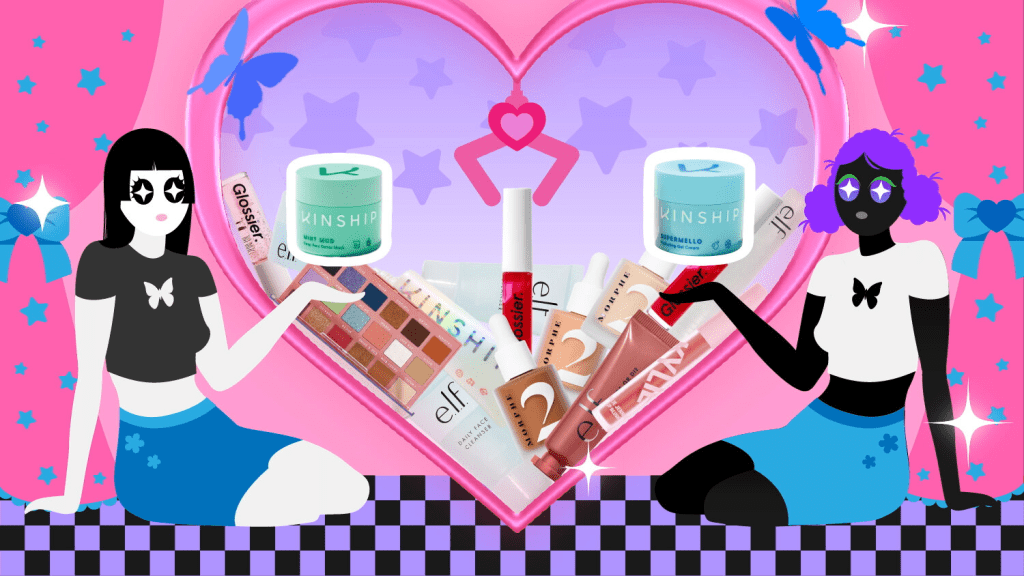
How America’s Gen Z Is Redefining Beauty with Ingredient Transparency
In today’s American beauty scene, a quiet revolution is underway.
Walk through any Ulta Beauty store, scroll through TikTok skincare routines, or glance at a Gen Z influencer’s feed on Instagram—and you’ll notice what’s missing: glossy brand logos, flashy packaging, or celebrity endorsements.
Instead, you’ll find ingredients lists, “Fragrance-Free” labels, “Cruelty-Free” marks, and minimalist designs. Welcome to the era of Zero Premium—a trend where function, transparency, and ethics matter more than image or price.
Let’s dive into how Gen Z and Millennials are reshaping the U.S. skincare market with a focus on substance over style, and what that means for global brands, including K-beauty.
What Is Zero Premium?
Zero Premium refers to beauty products that may not look luxurious on the outside, but deliver premium-level performance through transparent, effective ingredients and ethical practices. These products are:
- Reasonably priced
- Free from harmful additives
- Cruelty-free or vegan
- Packaged sustainably
- Backed by ingredient transparency
It’s not about how the bottle looks on the vanity—it’s about what’s inside and how it aligns with personal values.
The Rise of “Skintellectuals” on TikTok and Instagram
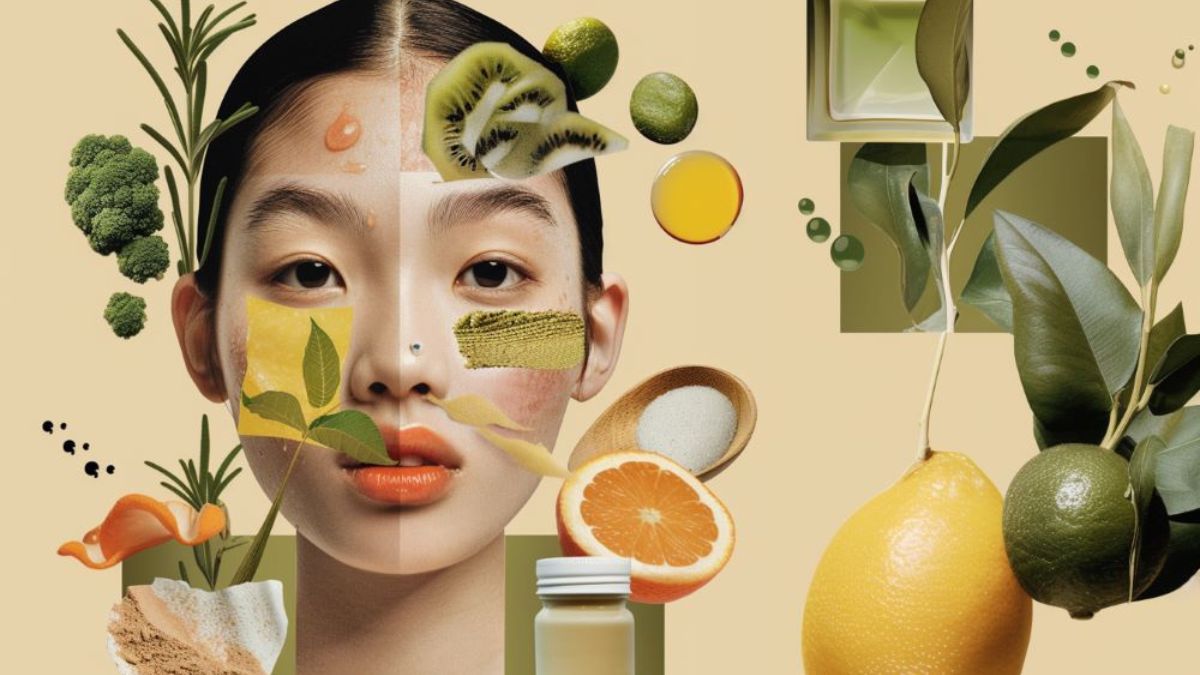
Gen Z consumers, often referred to as “skintellectuals,” are educating themselves and others via platforms like TikTok and Instagram Reels. Viral videos show creators discussing:
- Whether a product is fragrance-free
- If it’s been tested on animals
- How eco-friendly the packaging is
- And most importantly, the INCI (ingredient) list
According to market research firm Attest, 74% of Gen Z women in the U.S. prioritize ingredients and ethical standards over brand reputation. Over 52% seek natural formulas, while 41.4% look for non-toxic labels.
This shift signals a major departure from traditional prestige beauty marketing.
U.S. Skincare Market: Growth and Transformation
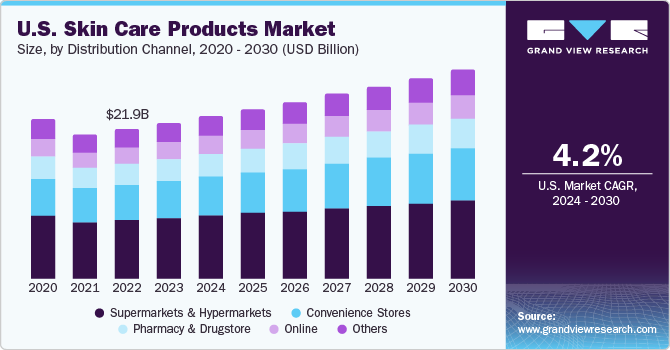
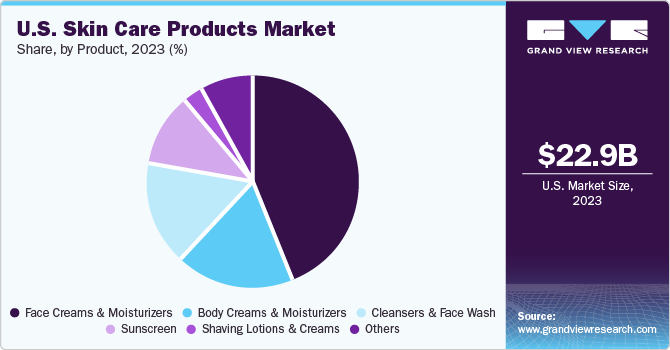
According to Grand View Research, the U.S. skincare market was valued at $22.9 billion in 2023, and is expected to grow by 4.2% CAGR, reaching nearly $28.9 billion by 2030. What’s driving this growth?
- Skin health over aesthetic appeal
- Preventative care routines (anti-aging, barrier protection)
- A new generation viewing skincare as essential daily wellness
Gen Z and Millennials now account for over 40% of total skincare spending.
Statista data shows they spend 2–5x more on beauty products than older generations, making them the dominant force in market evolution.
Trend 1: Radical Transparency
Brands that “show what’s inside” are winning consumer trust.
A prime example is The Ordinary, which lists active ingredient concentrations directly on product labels and maintains minimalist packaging. In 2024, The Ordinary reported $241.9 million in online sales, marking a 23% YoY growth.
Top products include:
- Glycolic Acid 7% Toner: gentle exfoliation, $13 for 240ml
- Hyaluronic Acid 2% + B5: deep hydration, $9.90 for 30ml
- Niacinamide 10% + Zinc 1%: oil control and brightening, $6.00 for 30ml
At Ulta stores in Chicago, these items are front and center, showing that affordability, clarity, and clinical efficacy can outshine luxury branding.
Trend 2: “Zero Attributes” as New Baseline

Clean, ethical, and sustainable features—once viewed as bonus points—are now non-negotiable.
Consumers expect skincare to be:
- Fragrance-free
- Colorant-free
- Cruelty-free
- Packaged responsibly
- Vegan-friendly
To support this shift, Ulta Beauty runs the “Conscious Beauty at Ulta Beauty” program. It certifies brands based on five standards:
| Attribute | Description |
|---|---|
| Clean Ingredients | No harmful additives like parabens or phthalates |
| Cruelty-Free | No animal testing involved |
| Vegan | No animal-derived components |
| Sustainable Packaging | Recyclable, refillable, or plant-based |
| Give Back | Companies that donate profits to social causes |
As of 2024, 288 brands have earned the Conscious Beauty badge, now regarded as one of the most trusted retail certifications in the U.S.
Voice of the Store: What Ulta Beauty Staff Say
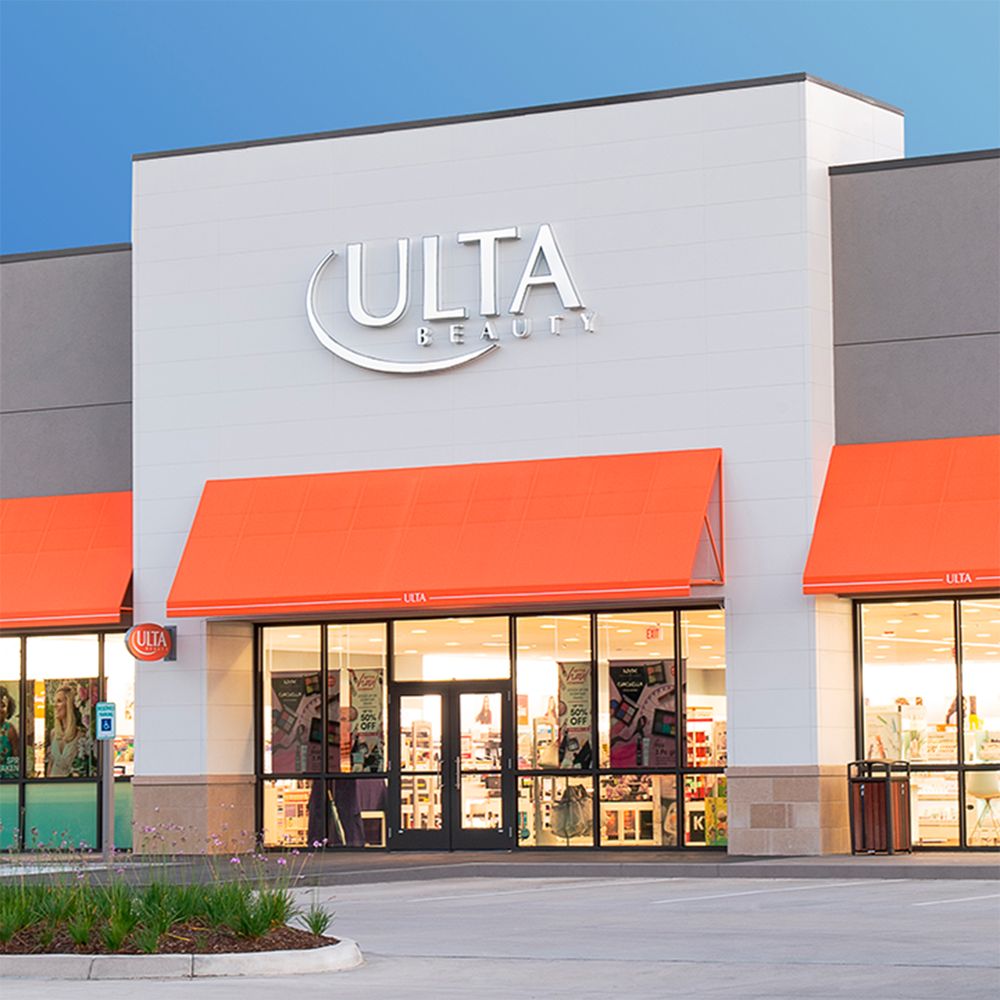
At a Houston Ulta store, a staff member shared that more young women (ages 20–30) now ask for unscented, vegan, cruelty-free skincare options.
Popular brands in this category include:
- Tula Skincare
- Peach & Lily
- Sunday Riley
- Naturium
According to the employee, Naturium is a top seller thanks to its vegan certification, barely-there scent, and sensitive-skin safe formulas.
“Packaging isn’t what sells anymore. If the ingredients are clean and the reviews are real, it sells fast, in fact, it’s usually word of mouth and short-form content that drive the most sales.”
Implications for Global and Korean Brands
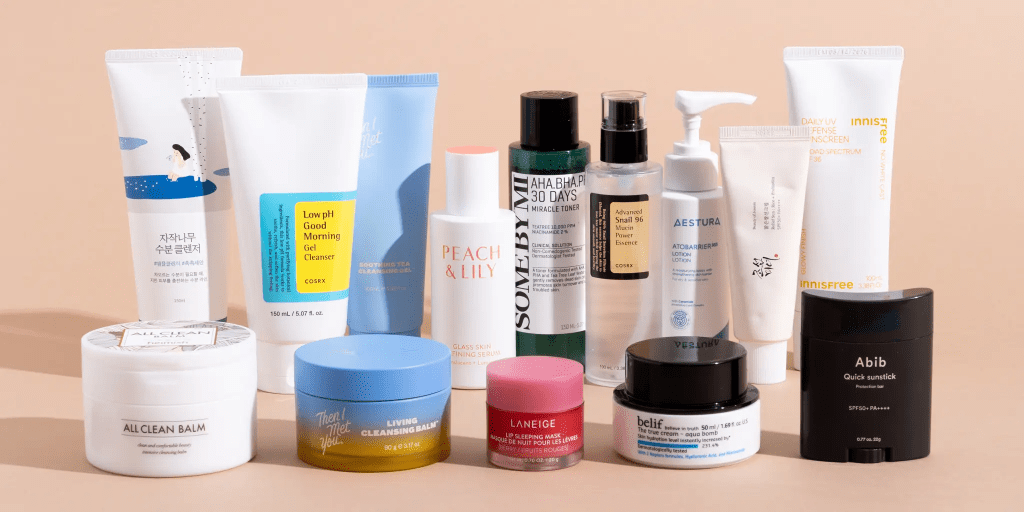
This transformation in U.S. beauty preferences presents an opportunity and a challenge for international brands—especially those in K-beauty.
Korean skincare brands already emphasize gentle, natural formulas and functional benefits (soothing, redness reduction, etc.), but success in the U.S. now also demands:
- Full ingredient transparency
- Sustainable, minimalist packaging
- Ethical sourcing and manufacturing
- Authentic influencer collaborations
- Short-form, viral marketing on TikTok and Instagram
During a field visit, I can found a dedicated “Korean Skincare” section at Ulta, showcasing brands like Anua and Mediheal, well-received for their calming, non-irritating formulas.
But in order to truly resonate with Gen Z, even K-beauty needs to go beyond branding and deliver value-driven, ethical storytelling.
Key Takeaways
- Price is no longer the standard for “premium.” Gen Z prioritizes honesty, effectiveness, and ethics over prestige.
- Zero Premium is here to stay, driven by content creators and value-conscious consumers.
- Ingredient-first, ethics-forward strategies will define the future of skincare.
- K-beauty brands have an edge—but must adapt their storytelling and transparency to match evolving U.S. consumer expectations.


 Boss Brief
Leave a comment