
   At first, I had no intention of watching K-Pop Demon Hunters.
A story about a K-pop girl group fighting demons who disguise themselves as boy bands? It sounded gimmicky and far from my taste. Honestly, I assumed it would be another Western-made animation that watered down Korean culture for mass appeal.
But once I actually pressed play, I realized this wasn’t just another disposable blockbuster.
Instead, it felt like proof that we are entering a post-multicultural era—a world where cultural hybridity is no longer ironic or awkward, but the natural state of things.
K-pop Girl Group vs. Demon Boy Band

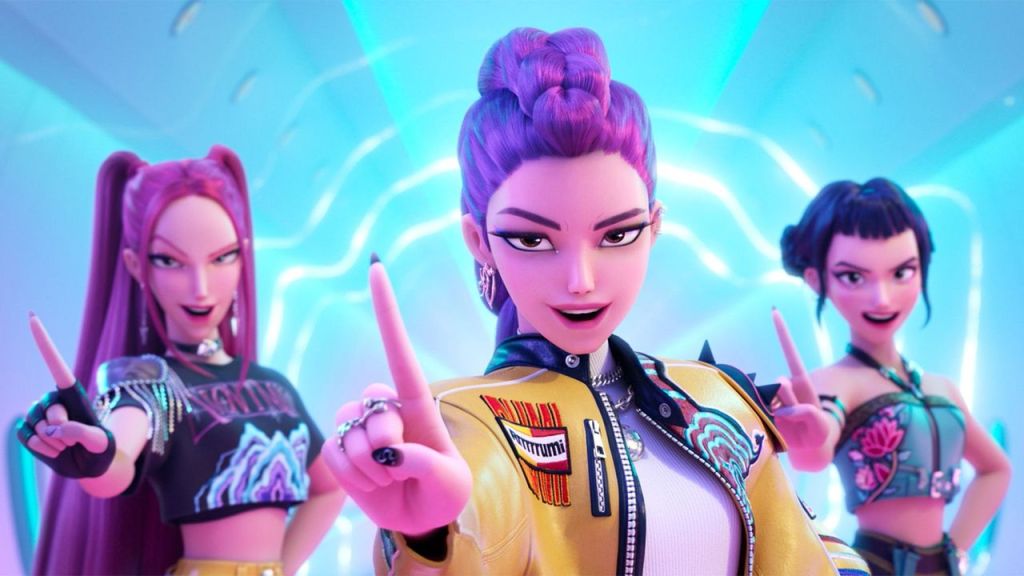
The protagonists are Huntrix, a three-member K-pop girl group who double as demon hunters.
Their supernatural powers don’t come from ancient prophecies or secret weapons, but from their fandom. The louder the cheers, the bigger the album sales, the hotter the social media engagement—the stronger they become.
Naturally, the demon overlord Gwima devises the perfect counterstrategy: he creates a rival boy band called Saja Boys. Their deadly charm literally turns girls’ eyes into popcorn (yes, popcorn).
The logic is simple: steal the fans, steal the world.
This is more than just a funny plot—it’s a clever metaphor for the “fandustry” (fan + industry) that defines K-pop today. In fact, a 2024 Luminate report found that U.S. K-pop fans spent 2.4x more on merchandise than mainstream pop fans in 2023.
A Post-Multicultural Symbol

What makes this film stand out isn’t just the storyline, but its cultural texture:
- Characters that look neither Korean nor Western but something entirely new
- Songs that mix Korean and English in unexpected, even awkward, ways
- A fandom-driven universe where nationality is secondary to passion
Take the Saja Boys’ track “Soda Pop”, with the line:
“한 모금에, you hit the spot.”
Did it need to be in Korean? Probably not. But Gen Z fans embrace this mash-up as completely natural.
For them, chaos isn’t a problem—it’s the point.
From Irony to Authentic Hybridity
Western pop culture used to process multiculturalism through irony.
Think of The Simpsons’ Apu or Community’s Señor Chang—characters that turned “difference” into a joke. Someone was always the insider, someone else the punchline.
K-Pop Demon Hunters flips that on its head.
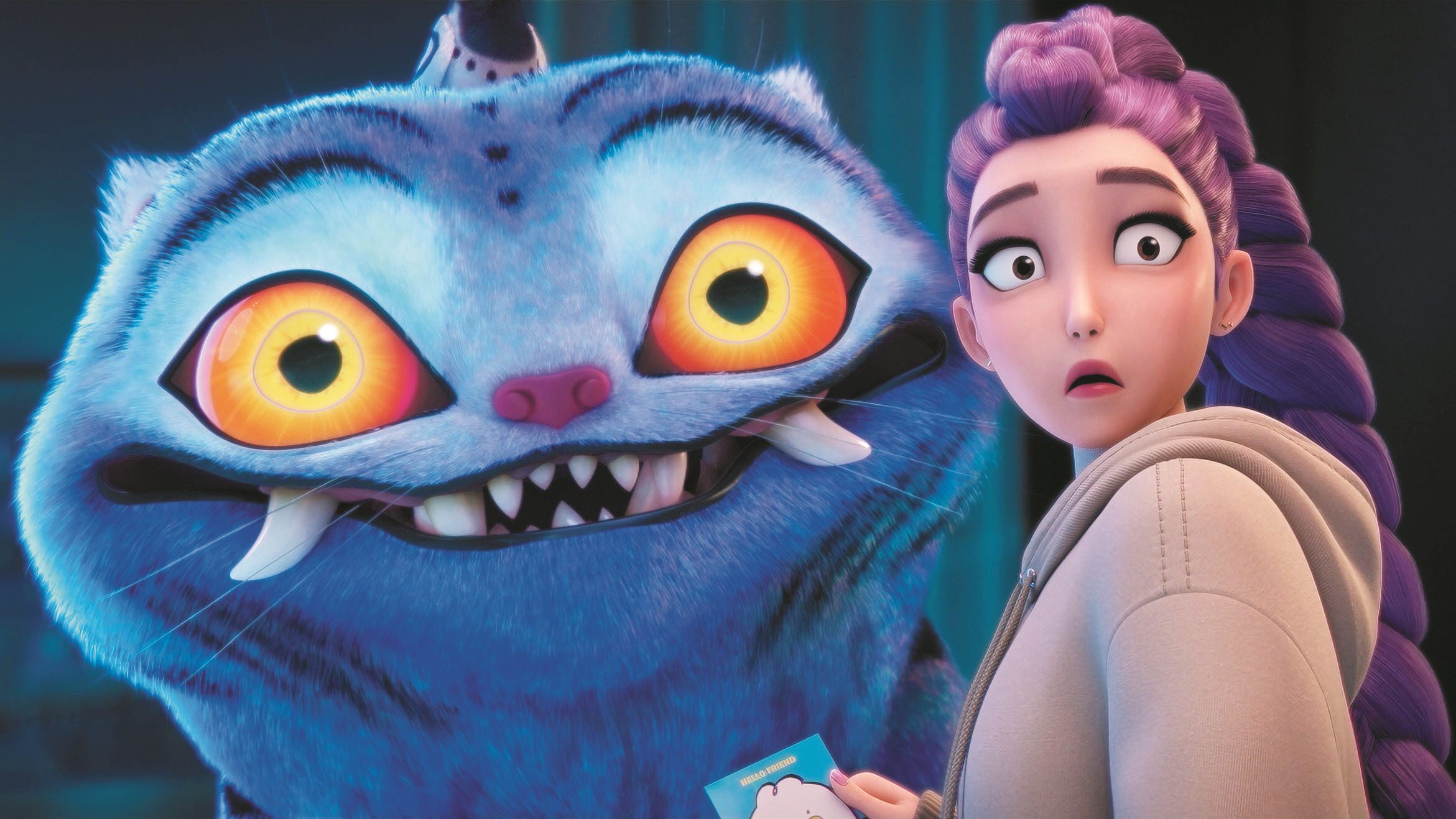
Here, hybridity isn’t a spectacle to laugh at. It’s the default reality. The movie doesn’t wink at the audience with “meta” humor. Instead, it says: this is simply how culture works now—mixed, messy, and alive.
Final Thoughts: The Age of Joyful Chaos
K-Pop Demon Hunters is not just an animated film.
Its global success proves that fandom has become one of the most powerful cultural forces on Earth.
We’re moving beyond multiculturalism, beyond irony, beyond meta-commentary.
We’re stepping into a new era—a joyful chaos where hybridity is no longer the exception but the rule.
And the fact that a K-pop girl group fighting demon boy bands could become a Netflix global hit?
That might be the clearest sign yet.


 Boss Brief
Leave a comment