
In a world dominated by grim headlines—wars, pandemics, climate crises—it may come as a surprise that global measures of well-being are, in fact, improving. According to Gallup’s latest survey across 142 countries, more people than ever before say they are “thriving.” The proportion of people who describe themselves as “suffering” has fallen to just 7%, the lowest level since Gallup began measuring in 2007.

In countries as diverse as Vietnam, Paraguay, Kazakhstan, and Kosovo, well-being indicators have risen sharply. People feel their lives are getting better, and optimism about the future is growing.
But amid this wave of optimism lies a troubling trend: some of the world’s wealthiest nations—such as the United States, Canada, Western Europe, Australia, and New Zealand—are moving in the opposite direction.
Declining Well-Being in Rich Nations
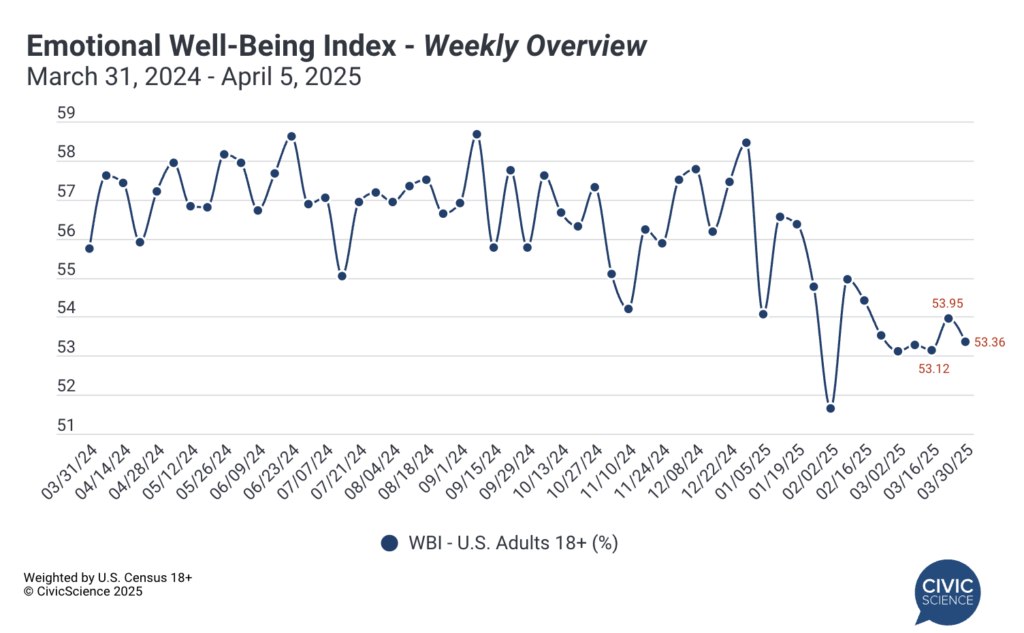
Back in 2007, 67% of Americans and Canadians described themselves as thriving. Today, that number has plunged to 49%.
This does not mean that absolute well-being in developed nations is lower than in poorer countries; life expectancy, income, and infrastructure remain among the highest in the world. But the trend is alarming. While people in emerging markets feel life is improving, those in wealthy nations are increasingly dissatisfied, disconnected, and purposeless.
Economic Growth, Personal Decline
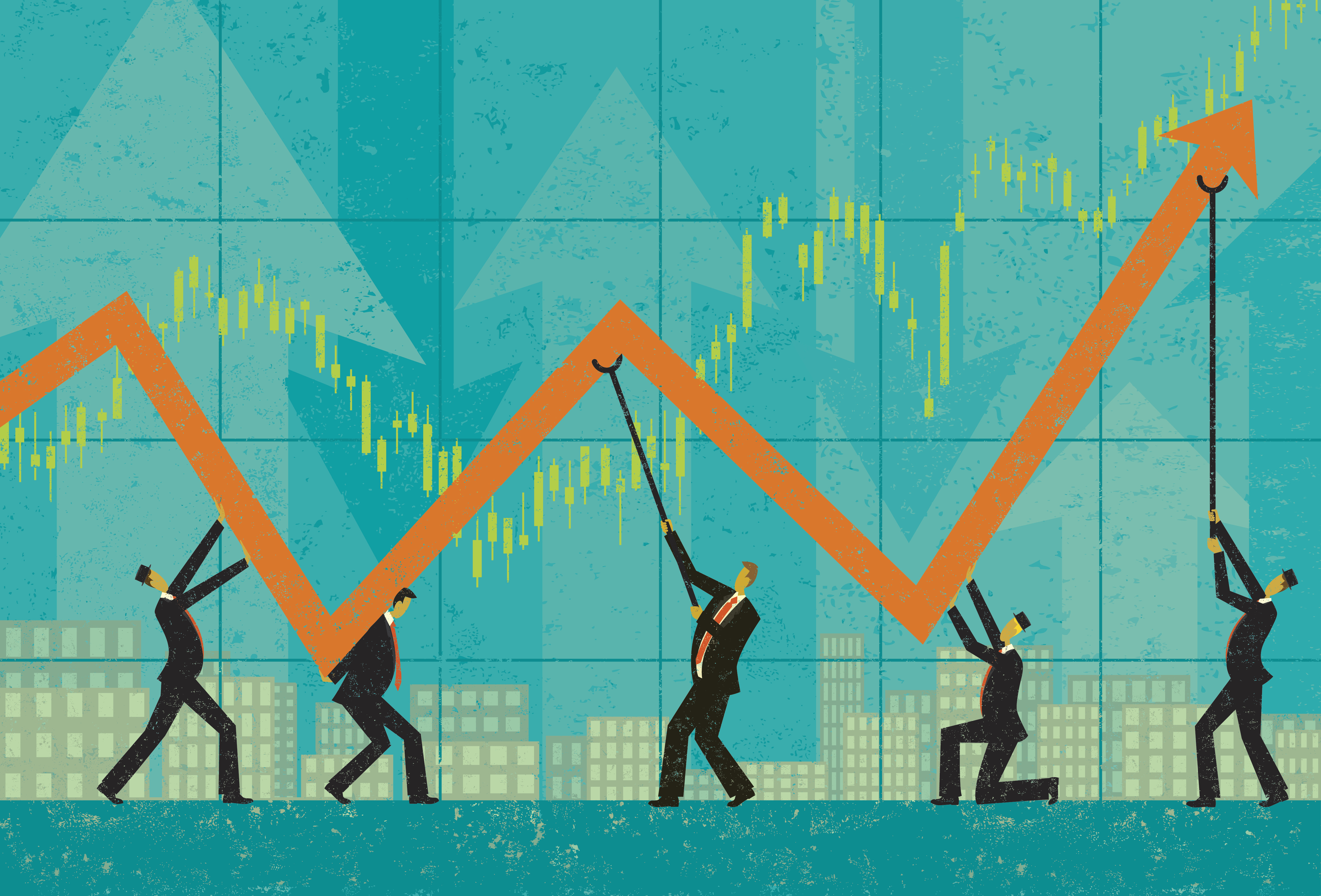
The paradox is stark: over the past decade, America’s economy has boomed. GDP rose, wages increased, unemployment stayed low, and even income inequality narrowed. By conventional economic measures, things look great.
Yet at the same time, suicide rates have climbed, social isolation has deepened, and public trust in institutions has collapsed. A Gallup poll in January 2025 found that the share of Americans who say they are “very satisfied” with their lives is at a record low. The Edelman Trust Barometer revealed that only 30% of Americans believe the next generation will live better than the current one.
In short, economic prosperity and human flourishing have decoupled.
The Sacred Trinity of Flourishing

Human beings don’t thrive on money alone. To feel that life is truly flourishing, three pillars must align:
- Economic stability – having enough to live without constant financial fear.
- Social connection – belonging to families, neighborhoods, communities.
- Spiritual or existential meaning – feeling that life has purpose.

Gallup researcher Dan Witters explains that thriving people are more likely to feel attached to their community, proud of where they live, and engaged in institutions such as religious congregations. Having a clear sense of meaning strongly predicts whether people see themselves positively five years into the future.
The most comprehensive evidence comes from the Global Flourishing Study, led by Harvard’s Tyler VanderWeele and Baylor’s Byron Johnson. Surveying 200,000 people in 22 countries since 2022, the study found that only a handful of nations—such as Israel and Poland—scored highly across all three dimensions: economic, social, and spiritual.
Many wealthy nations, including Japan and Scandinavia, scored high economically but low on purpose and meaning. Meanwhile, nations such as Indonesia, Mexico, and the Philippines—less affluent economically—ranked surprisingly high in social and spiritual well-being.
The Cultural Priorities That Divide Nations

Why are wealthy nations falling behind? The answer lies in priorities.
For decades, the United States and other Western societies have pursued economic success at the expense of social and spiritual health. The result: dazzling material wealth, but weakened families, fractured communities, and hollowed-out meaning.
The World Values Survey highlights this divergence. Since the 1960s, North America, Western Europe, and English-speaking nations have become markedly more secular, individualistic, and expressive compared to the rest of the world. Meanwhile, Orthodox Christian nations like Serbia, Confucian cultures like South Korea, and Catholic cultures like Mexico maintained more traditional values.
The consequences are clear: countries that resisted rapid secularization and hyper-individualism have seen well-being rise. Those that embraced them most fully have seen it decline.
The Biggest Casualty: Young People

Two groups stand out as the most negatively affected:
1. Young Generations
Historically, happiness followed a U-shaped curve: high in youth, dipping in midlife, then rising again in old age. Today, that curve has inverted. Young people in the U.S. and across the Western world are the least happy age group.
The Global Flourishing Study shows that American young adults rank lowest in well-being across all age cohorts. Similar patterns are seen in Germany, Sweden, the U.K., Australia, and Brazil.
2. Progressive Young Adults
Since the early 1970s, conservatives consistently reported higher happiness than progressives, largely due to stronger family ties, religious practice, patriotism, and community engagement.
But around 2011, a dramatic shift occurred: rates of depression among young progressives surged. By 2024, surveys found that 57% of “very liberal” college students reported struggling with mental health issues “most of the time,” compared to 35% of “very conservative” peers.
Why? Progressives tend to embrace values of autonomy and social freedom more strongly, and extreme individualism can be toxic to social and mental health.
The Core Problem: Greed
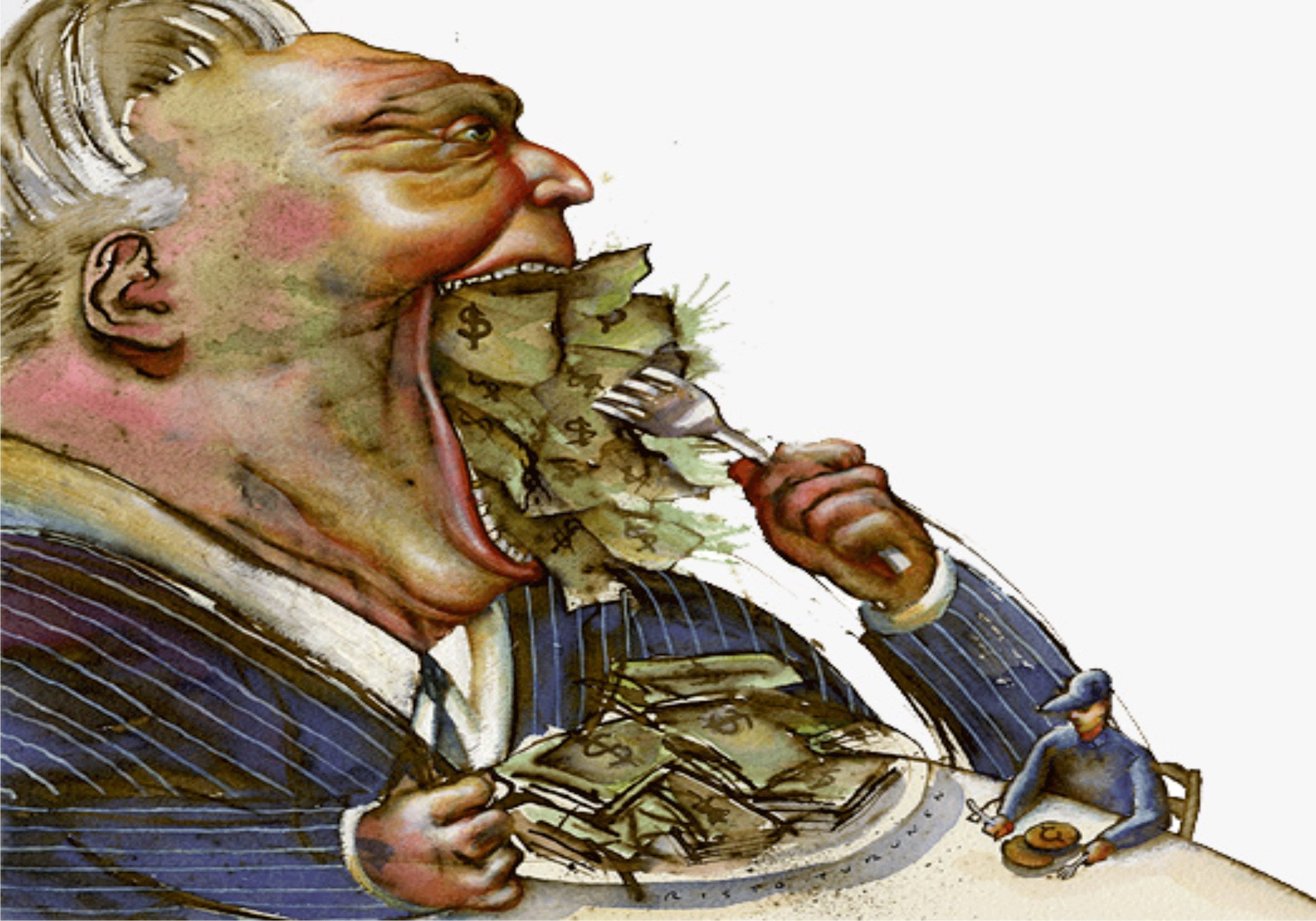
At its root, America’s malaise can be summed up in one word: greed.
In the obsessive pursuit of economic gain, Americans neglected the foundations of human flourishing. Schools emphasized technical skills over moral or social wisdom. Culture idolized personal choice and self-expression while eroding deeper values: family loyalty, neighborly trust, civic duty, reverence for truth.
The result? A society of wealth without meaning, freedom without belonging, choice without purpose.
What We’ve Lost

The real crisis facing wealthy nations is not economic—it is social and spiritual collapse. Around the world, people are finding hope, but in America and across the West, many feel lost.
The way forward requires more than GDP growth. It requires rebuilding trust, community, and purpose. Young people in particular need a culture that offers them meaning beyond individual achievement.
As David Brooks puts it: “In the end, you get what you most value.” If we value money above all else, we may succeed in getting it. But we will lose something far more precious: happiness itself.





 Boss Brief
Leave a comment