
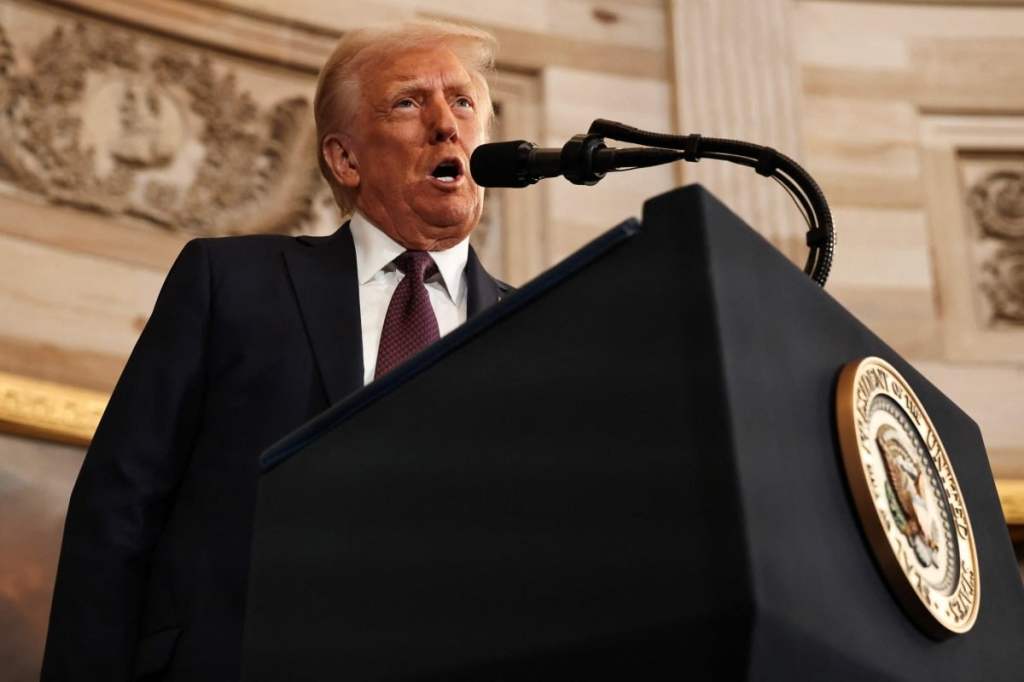
“Many such cases.”
“Many people are saying this.”
At first glance, these sound like throwaway lines, the kind of filler phrases any politician might use. Yet they’ve become part of what linguists now call “Trumpisms.” Once viral memes online, they have since slipped into everyday conversations, appearing in places as mundane as office chatter, real estate debates, and even jokes about stress.
For something that started as political satire to endure for nearly a decade is remarkable. Internet memes usually burn bright and fade quickly. So why has Trump’s language survived — and even reshaped how millions of people speak?
From Meme to Mainstream
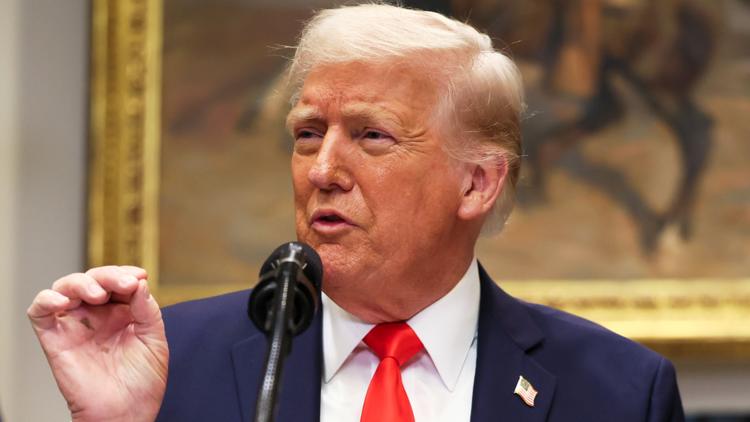
Trump’s speech patterns are tailor-made for the age of social media.
They are short, punchy, repetitive, and easy to remix.
Take his infamous description of NAFTA: “The worst trade deal in history, maybe ever.” That line quickly morphed into a phrasal template — “the worst X in history, maybe ever” — which anyone can apply to anything: the worst pizza, the worst exam, the worst Wi-Fi connection. Because it works like a fill-in-the-blank joke, it spread far beyond politics.
Other templates followed:
- Make X Y Again
- Thank you X, very cool
These survive not because of their political content, but because they function as linguistic Lego blocks: easy to swap in, endlessly adaptable, and funny in almost any setting.
The Emotional Edge
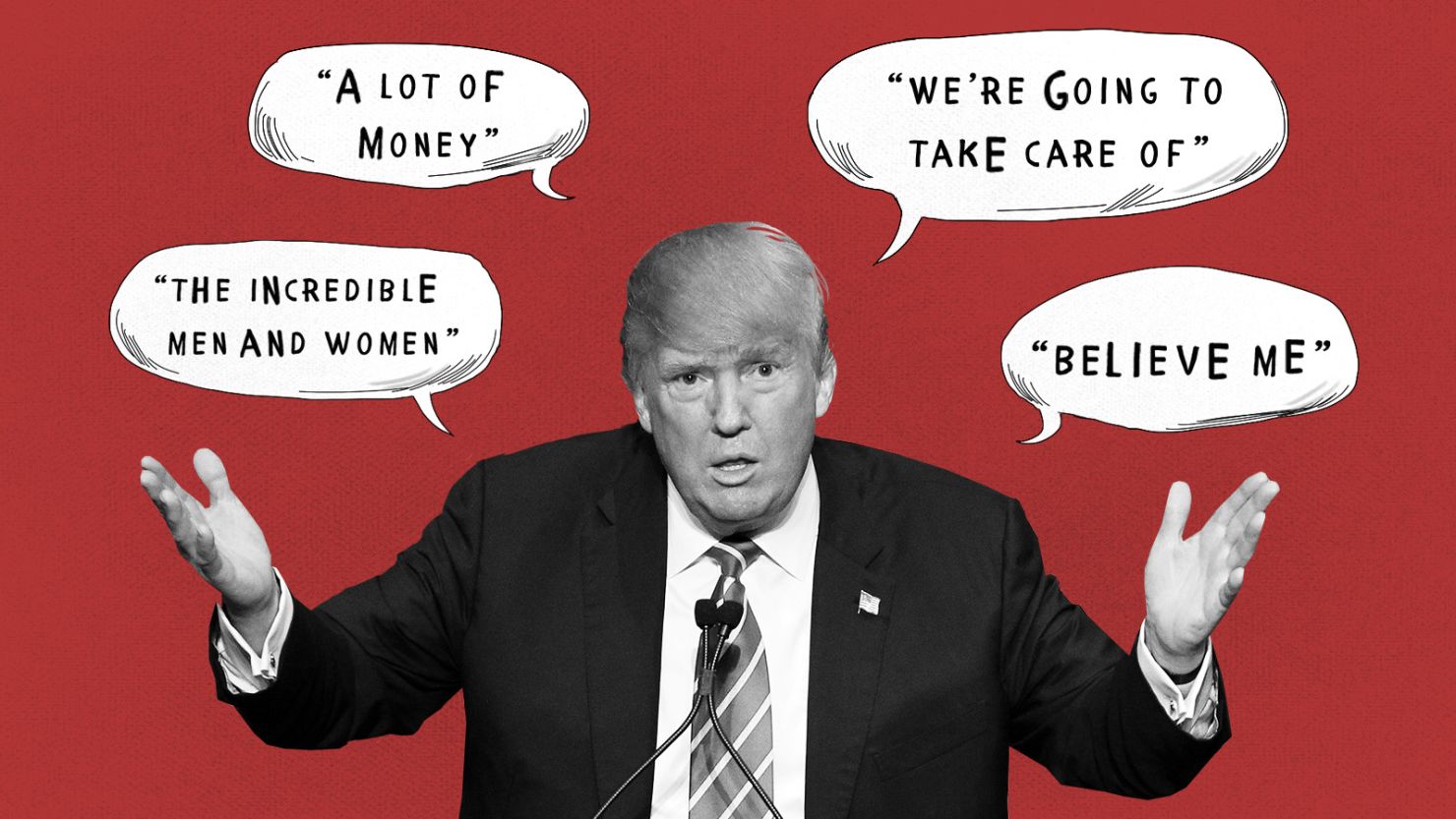
Research shows that Trump relies on emotionally charged words more than his peers:
- “huge”
- “stupid”
- “disaster”
This isn’t accidental. Emotional language is more shareable online. It sparks reactions, drives comments, and feeds algorithms that reward engagement. A bland statement disappears into the feed. A dramatic one becomes a meme, a tweetstorm, or a TikTok clip.
In this sense, Trump’s language doesn’t just communicate — it performs. Every “sad!” or “believe me” is built to stick, repeat, and spread.
Memes as Political Advantage

Just as television once favored candidates who looked good on screen (Kennedy vs. Nixon in 1960), social media now favors candidates whose words can become memes.
Trump excels here. His odd phrasing, repetitive style, and exaggerated emotion turn him into a constant content generator. Even when people mock him, they replicate his language. And once a phrase is repeated often enough, it gains legitimacy. It normalizes not just the words, but the worldview behind them.
This is where the concept of the Overton Window comes in — the range of ideas considered socially acceptable. As Trump’s language saturates online spaces, the boundaries of acceptable discourse shift. What once sounded extreme starts to feel familiar, even normal.
Speaking Like Trump, Thinking Like Trump
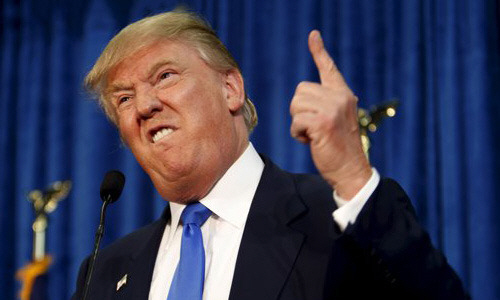
Not all of Trump’s phrases survive. “Covfefe,” his notorious Twitter typo, was a short-lived joke. But when a phrase has a useful function — a template, a punchline, a conversational shortcut — it endures.
And here’s the deeper problem: when we use Trump’s language, even ironically, we often internalize part of his framing. The meme becomes unconscious habit. We repeat his jokes, then his patterns, and eventually, without realizing it, his assumptions.
To speak like Trump, in other words, is to edge closer to thinking like him.
Conclusion: The Linguistic Legacy of a Meme President

Trump may ultimately be remembered less for policy details than for how he reshaped the English language. His words blurred the line between satire and sincerity, between politics and pop culture.
Every time we say “many such cases” or “make X Y again,” we’re not just quoting him — we’re reinforcing the cultural ecosystem that allowed his style to thrive.
Trump’s genius, intentional or not, lies in this: he turned politics into meme culture, and meme culture into politics.
And whether we like it or not, we’re all speaking his language now.



 Boss Brief
Leave a comment