

A mature society should always strive to alleviate human suffering. Yet the way we choose to do so matters enormously. Alleviation must not mean extinguishing life itself. Suffering is an inescapable part of the human condition. How we respond to it — whether by rejecting it or embracing it — shapes not only our culture but also our very humanity.
Recently, two unsettling stories reminded me of this truth. Both force us to reckon with what kind of society we are becoming, and what kind of values we are willing to enshrine at the beginning and end of life.
Canada’s MAID Program and the Dark Side of Euthanasia

The first story comes from Canada, where the Medical Assistance in Dying (MAID) program has grown into something far larger than originally intended. Today, roughly one in every 20 deaths in Canada occurs through MAID. That number surpasses deaths from Alzheimer’s and diabetes combined. Since its legalization in 2016, nearly 60,000 Canadians have chosen assisted death.
Even more tragic is the reasoning behind many of these decisions. Almost half of those who requested MAID did so because they believed they had become a burden to family and friends. In other words, despair was driven not only by illness, but also by loneliness and disconnection.
Some cases are heartbreaking. A young person diagnosed with a treatable form of cancer chose death rather than treatment. An elderly man, recovering from a broken hip, opted for euthanasia because he could no longer imagine life with diminished mobility. In certain cases, Canadian authorities approved euthanasia on the grounds of simple “frailty.”
Of course, there are terminal patients who die peacefully at home, surrounded by family, grateful to have some control over their suffering. But alongside those stories lies another reality — of people dying alone, abandoned, or pressured by despair. One haunting account described a person who consented to MAID while lying on a thin mattress on the floor of a lonely apartment. That image remains impossible to shake.
Choosing Life — or Ending It — at the Very Beginning

The second story involves not death, but birth. A U.S.-based startup called Orchid now offers genetic testing of embryos created through in-vitro fertilization. The company claims it can identify embryos at higher risk of developing certain diseases later in life.
Orchid does not directly tell parents which embryos to discard. But the implication is clear: embryos deemed “riskier” are less likely to be chosen.
We’ve seen something similar before. Prenatal testing for Down syndrome has led to extremely high termination rates in many countries, with over 90% of pregnancies terminated following a positive test in some regions. Orchid takes this logic one step further, evaluating not certainties but probabilities. It nudges prospective parents to make choices based on statistical forecasts rather than present reality.
We are not yet in a full-fledged “designer baby” era. But we are creeping closer to a world where the very possibility of future illness is enough to justify discarding a potential life.
The Illusion of Total Control
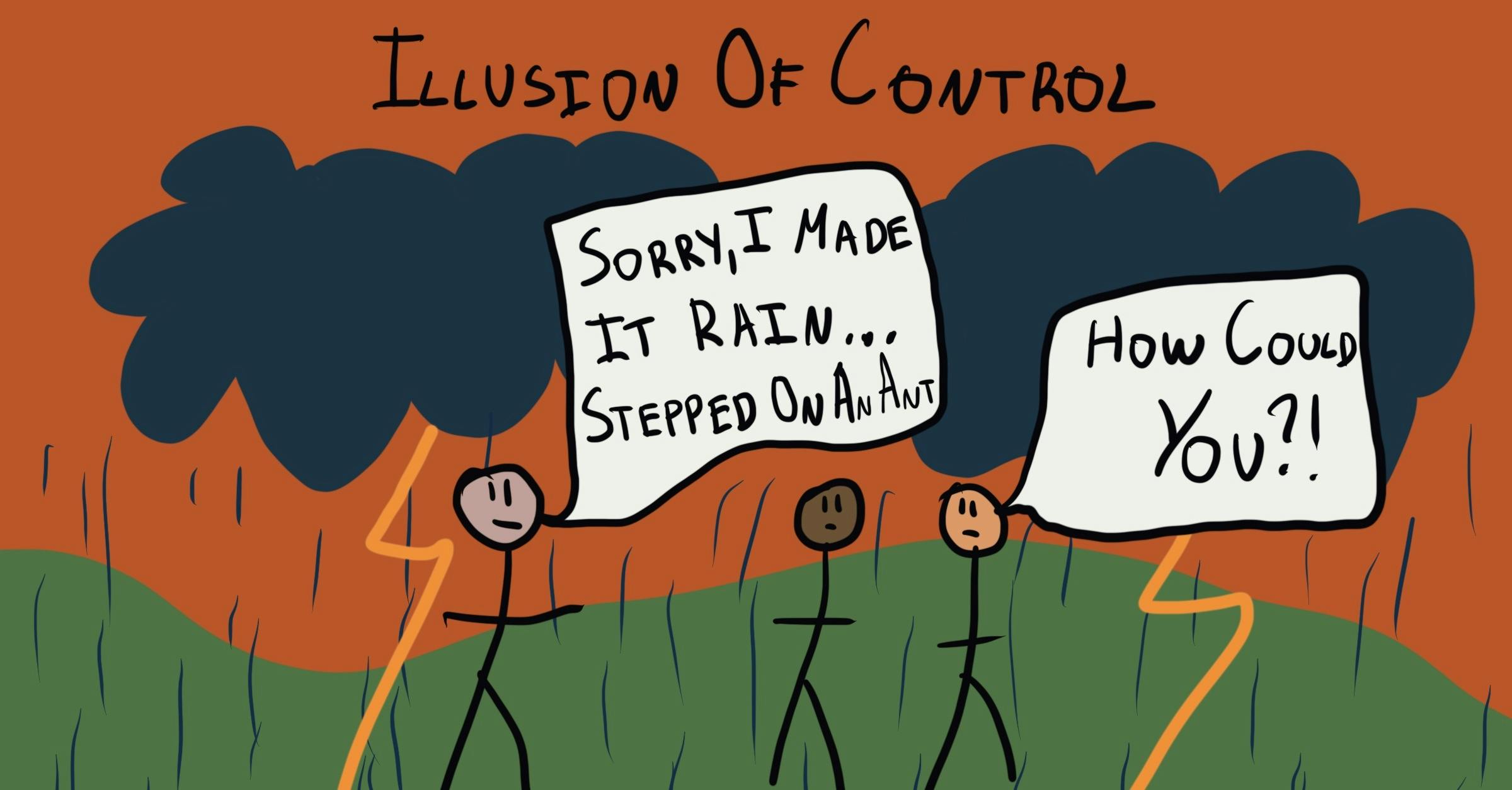
What ties these two stories together is a modern obsession: the belief that life, from beginning to end, can and should be controlled. We try to manage conception with genetic testing, and we try to manage death with assisted suicide.
But this obsession breeds something dangerous: the idea that “your health is your responsibility alone.”
Spend enough time online, and you’ll see it everywhere. When someone admits to struggling with a serious illness, the comments are often accusatory in tone:
- “Did you get vaccinated?”
- “Why didn’t you try this natural remedy?”
Beneath these questions lurks a cruel assumption: your suffering is your fault. Rather than standing together in solidarity, society shifts the weight of suffering entirely onto the individual.
Workism and the Devaluation of the Weak
This mindset is also fueled by what scholars call workism — the belief that career achievement and productivity define a person’s worth more than faith, family, or community.
Parents now often prize economic independence and career success for their children above marriage, family life, or communal ties. In such a society, a person’s value is measured by output. When illness or disability strips away productivity, it becomes all too easy to see oneself as worthless.
Combine this with radical individualism — the belief that “I am the sole master of my destiny” — and you have a culture where diminished social status feels indistinguishable from diminished personal existence. No wonder so many, in moments of despair, choose to exit life rather than endure it.
Suffering as a Source of Connection
And yet, this conclusion is profoundly wrong. Human worth is not measured by productivity. It is found in humanity itself.
Far from being meaningless, suffering can actually deepen our capacity for love, humility, and solidarity.
When my wife was diagnosed with aggressive breast cancer in 2023, I experienced this firsthand. Caring for her was excruciating at times, but it also transformed our family. Our children matured through the process. Friends stepped in with unwavering loyalty, and their support filled me with gratitude. In those moments, suffering bound us closer, not further apart.
Pain, paradoxically, became a teacher. It revealed the strength of relationships and the depth of love.
Relationships Save Lives
One particular story illustrates this truth vividly.
A man who had suffered a devastating motorcycle accident was left unable to walk or see. Isolated in a care facility, he eventually applied for assisted suicide. His request was approved.
But then something unexpected happened. His family began to visit him again. His children came. Even his ex-wife reconnected. The renewed relationships transformed his perspective.
“I still have joy left,” he declared. “I can’t see, but I can feel them, talk to them. I want to live.”
The lesson is simple yet profound: isolation breeds death, but connection sustains life.
The Culture We Are Building

What kind of culture are we creating when we treat suffering as intolerable, something to be erased rather than endured together?
A society that denies suffering also denies solidarity. It risks becoming cruel, marked by disdain for those deemed “hopeless” and by terror when we ourselves inevitably confront frailty.
By contrast, a society that embraces suffering becomes more compassionate. It acknowledges that everyone, sooner or later, will need the care, love, and patience of others. True community begins not with strength, but with the recognition of shared weakness.
Final Reflections: Why We Are Precious
Our worth does not come from being successful, efficient, or healthy. It does not depend on productivity or independence.
We are precious because we are human. Even in weakness, even in pain, each life holds immeasurable value.
If we allow suffering to drive us apart, we will grow cold and cruel. But if we choose to bear suffering together — to see in it an invitation to love and to care — we may discover that suffering itself reveals the deepest reasons to live.



 Boss Brief
Leave a comment