
These days, we are undeniably living in the age of electric vehicles. And in the middle of this transformation, Elon Musk’s ambitions never fail to surprise me. Owning two Teslas myself, I sometimes feel a strange mix of pride and wonder at the bold directions the company takes.
When Tesla unveiled its new Tesla Diner in Hollywood, it wasn’t just about launching a restaurant—it was about redefining what an EV charging hub could be. In many ways, it feels like a gas station reimagined as a rest stop of the future, where drivers can eat, relax, and even watch a movie while their cars recharge.
At first, I thought it was simply a clever marketing move. But as I explored the concept more deeply, I realized it was also a statement of identity. It’s Musk showing the world: Tesla isn’t just about cars—it’s about lifestyle, culture, and even entertainment. Seeing Tesla turn a charging hub into a diner, a cinema, and even a stage to showcase its robots made me think, this is more than just innovation—it’s audacity.
Tesla Diner: From Charging Spot to Cultural Destination
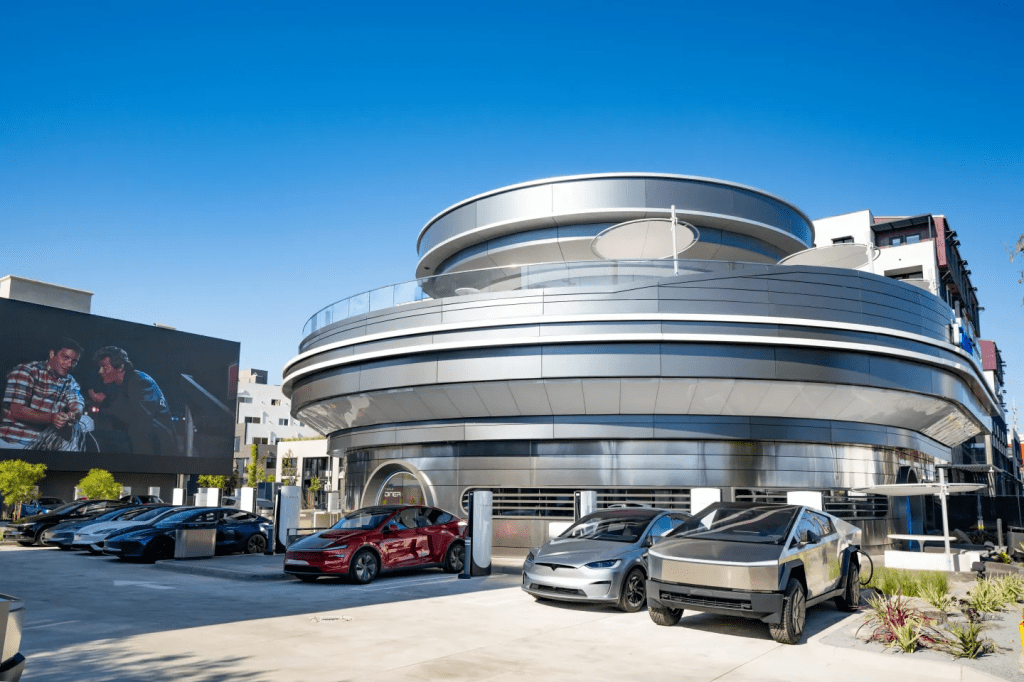
Located on historic Route 66 at 7001 Santa Monica Boulevard, the Tesla Diner occupies a prime spot in Hollywood, a neighborhood synonymous with entertainment and tourism.
The diner’s design draws inspiration from the Cybertruck’s sharp angles and stainless-steel finish, combined with mid-20th-century “Space Age” architecture. At night, its neon lights and curved structure resemble a spaceship landing in the middle of Los Angeles.
Inside, the diner seats more than 250 guests, merging retro signage and classic booths with Tesla’s minimalist aesthetic and futuristic LED lighting. The rooftop “Skypad” offers sweeping views of Hollywood and the LA skyline, making it a hot spot for both locals and tourists.
Dining Meets Entertainment
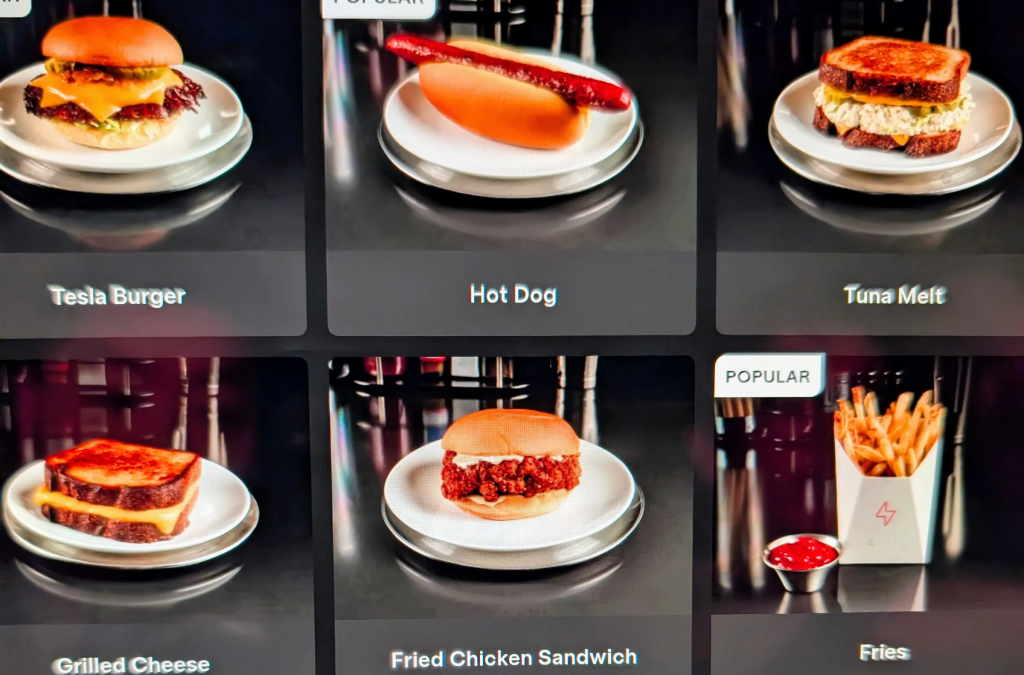
The menu pays homage to the classic American diner—burgers, fries, hot dogs, and milkshakes—while also catering to California’s plant-based culture with vegan and alternative protein options. Orders can be placed through kiosks or the Tesla app, and food is served in Cybertruck-themed trays, adding a playful twist.
But the real highlight is the drive-in cinema. Two massive LED screens (66-foot and 45-foot) show a mix of classic films, new trailers, and Tesla-branded content. Guests can tune in through FM radio in their cars, recreating the nostalgic feel of mid-century drive-in theaters.
This setup allows drivers to charge their vehicles, enjoy a meal, and watch a movie—all within one seamless 1–2 hour experience.
Charging Infrastructure at Scale
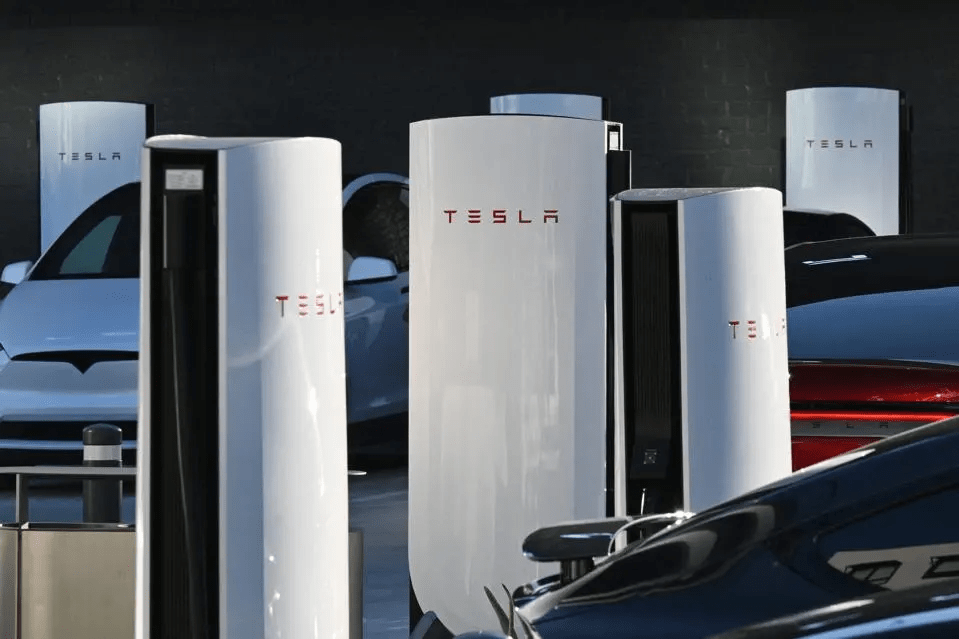
At its core, the Tesla Diner is still a supercharging hub, equipped with 80 V4 Superchargers—one of the largest urban EV charging installations in the world.
Compared to the older V3 chargers, V4 units offer faster charging speeds, reducing downtime for drivers on long trips. Importantly, Tesla designed the hub to be compatible with non-Tesla EVs, reflecting the broader industry move toward universal charging standards.
By combining scale, speed, and accessibility, Tesla positions this site not just as a diner, but as a flagship EV charging destination.
Turning Charging Time into Lifestyle Value

One of the biggest hurdles for EV adoption has been charging wait times and infrastructure shortages. According to the International Council on Clean Transportation, as of late 2024 the U.S. had about 204,000 public chargers, but demand was so high that each charger served an average of 22 EVs. In states like New Jersey, the ratio was as high as 36 EVs per charger.
Unlike refueling a gas car in five minutes, EVs require 20–40 minutes on average to recharge. This has often led to long waits, especially in urban areas or during long-distance travel.
Tesla’s answer? Redefine charging not as a delay, but as an opportunity. Instead of simply expanding charger numbers, Tesla is creating destinations where the waiting experience itself becomes enjoyable, even desirable.
Industry Implications: From Utility to Lifestyle
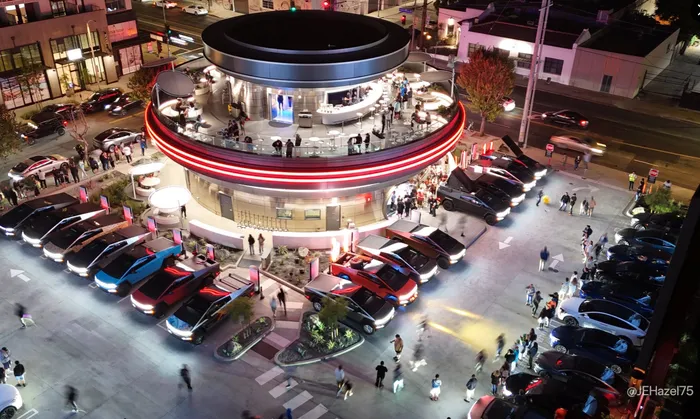
Tesla Diner reimagines EV charging hubs as multi-purpose lifestyle centers—places to dine, socialize, and be entertained, not just power up. For some drivers, charging will become secondary to the cultural experience of visiting.
Early reactions have been mixed. Some industry experts argue the diner is more about showmanship than practicality, pointing out that suburban and residential areas still lack basic charging access. Others question whether Tesla can maintain consistent food quality and service standards, given the unique challenges of running a restaurant.
Yet, the broader vision is undeniable: Tesla is positioning itself not just as a car manufacturer, but as a designer of EV-era infrastructure and culture.
If this model scales across U.S. cities and beyond, charging stations could replace traditional gas stations as cultural hubs, reshaping how we think about mobility and urban lifestyle.
Outlook: A New Blueprint for the EV Age
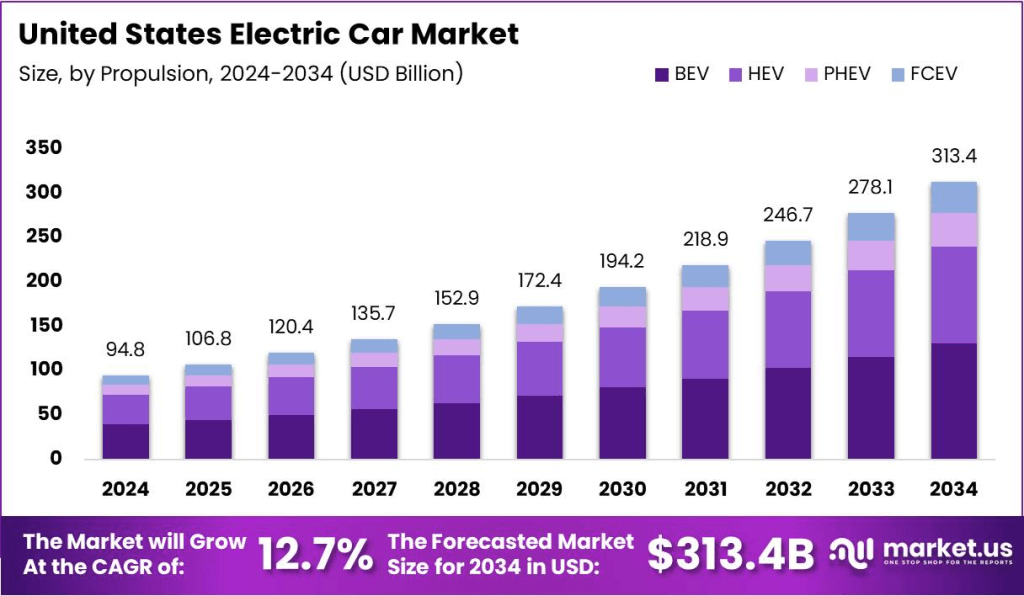
Tesla Diner has already become a social media sensation, attracting influencers, tourists, and EV enthusiasts alike. Its blend of retro design, futuristic tech, and entertainment value has made it a must-visit Hollywood landmark.
The real test, however, lies in whether Tesla can sustain customer satisfaction and operational efficiency over the long term. If successful, this model could inspire a new wave of destination charging hubs worldwide.
In the end, the Tesla Diner is more than a restaurant—it’s a statement. It shows how the EV industry is shifting from being technology-driven to lifestyle-driven. Charging is no longer just about electrons and kilowatts; it’s about experience, culture, and community.



 Boss Brief
Leave a comment