

For over a decade, Hollywood seemed to be in the middle of a social revolution. Diversity, equity, and inclusion were not just buzzwords—they were guiding principles for casting, storytelling, and hiring. Entire movements like #OscarsSoWhite reshaped the way studios operated, pushing the industry toward stories about underrepresented communities.
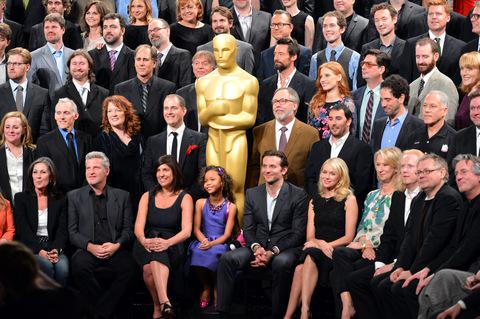
But in 2025, the tide is shifting. What once seemed untouchable—the dominance of “woke” Hollywood—is quietly being replaced with something far more traditional, even retro. The clearest sign? The return of Joe Eszterhas, the writer behind Basic Instinct, Showgirls, and Flashdance.
The Return of Joe Eszterhas and “Anti-Woke” Cinema

Amazon MGM recently spent $2 million to acquire a script by Eszterhas, who openly describes his new project as an “anti-woke reboot.” Eszterhas made his name in the 1980s and ’90s with scripts dripping in eroticism and controversy. Now, he insists that political correctness has gone too far, declaring:
“I don’t believe in woke or political correctness. That’s not truth. I want stories that tell the truth.”
He refused to share specifics about the film, other than promising it would be “obscene.” But given his track record, audiences can already imagine what’s coming: provocative, unapologetically sexual, and—by today’s standards—defiantly un-PC.
This isn’t just one man’s rebellion. It signals a broader cultural retrenchment inside Hollywood itself.
From Diversity Push to Retro Aesthetics
Not long ago, shows like Reservation Dogs (created by Native American writers), Transparent (a groundbreaking series about gender identity), and Lovecraft Country (a blend of horror and racial history) were hailed as proof that Hollywood had turned a corner. Studios invested heavily in diverse creators, queer voices, and inclusive casting.
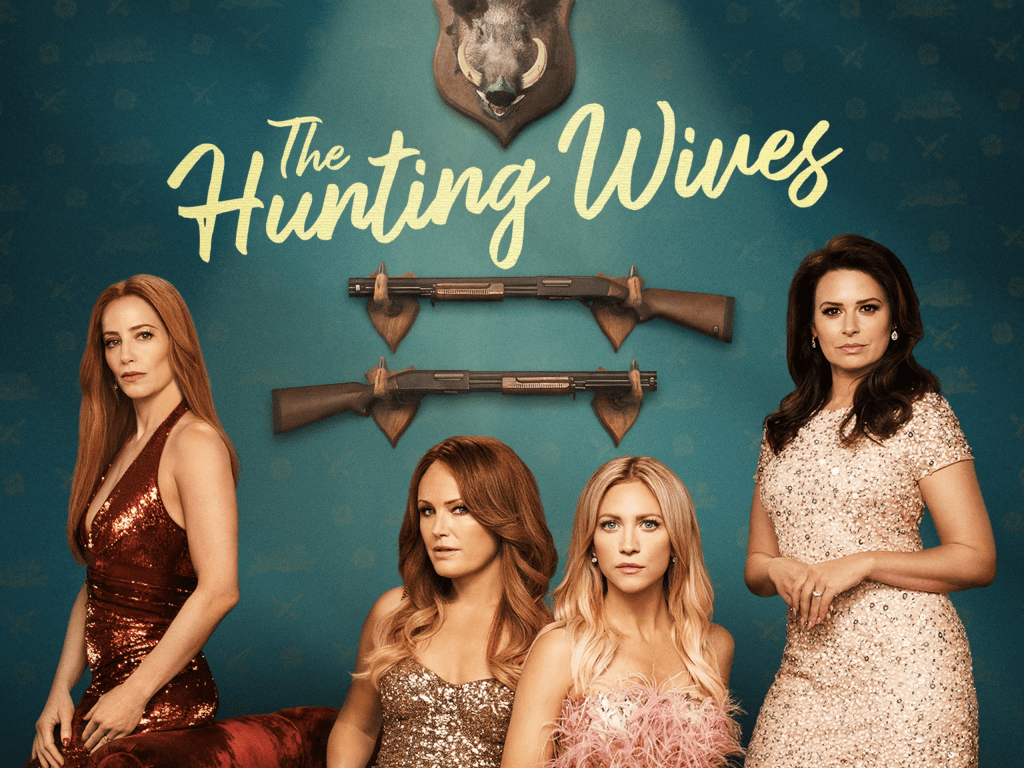
But new shows like Netflix’s Hunting Wives suggest a different direction. Set in Texas, it focuses on glamorous, wealthy white women—guns in hand, affairs on the side, and dripping with Southern gothic allure. The cast is almost uniformly white, hot, and conventionally attractive.
Even South Park, the longest-running animated satire, opened its latest season with the blunt declaration: “Woke is dead.” The episode featured Trump crawling naked through the desert in a mock PSA and mocked the earnest liberal teachers who once symbolized political correctness.
Meanwhile, cultural controversies that once sparked online outrage now pass with little backlash. When actress Sydney Sweeney posed in an American Eagle campaign flaunting her “jeans/genes,” critics accused it of coded white supremacy. But Hollywood stayed quiet. A few years ago, Sweeney might have faced boycotts and tearful apologies. Today, the industry shrugged.
The Retreat of DEI: Hollywood’s Quiet Reversal
The George Floyd protests of 2020 pushed Hollywood to embrace Diversity, Equity, and Inclusion (DEI) more than ever. Every major studio hired DEI officers, and casting decisions were often filtered through an “inclusion lens.”
But starting in 2023, studios began rolling back these initiatives. The return of Donald Trump to the presidency accelerated the shift. Trump himself declared war on DEI, and entertainment companies—sensitive to political pressure and changing market winds—followed suit.
- Paramount-Skydance’s merger announcement included a pledge to abolish DEI programs.
- Major talent agencies stopped requiring writers to self-identify by race, sexuality, or pronouns.
- Projects once championed as “socially important” now struggle to get funding unless they promise solid box office results.
For insiders, the message is clear: woke programming is no longer a priority.
Was “Wokeness” Ever Real in Hollywood?

This begs the question: was Hollywood’s embrace of progressive values sincere, or just a performance?
The answer may be both. Hollywood has always been pragmatic. It does not exist to preach ideology—it exists to sell tickets and subscriptions.
When audiences seemed to demand progressive stories, studios rushed to supply them. Now, with audience fatigue toward heavy-handed political messaging, studios are pivoting back to what has always sold: sex, scandal, and star power.
As one anonymous executive admitted, “A lot of our recent films started to feel the same—like we were producing a checklist rather than telling stories.”
The Bigger Picture: Politics and Pop Culture
This shift isn’t happening in a vacuum. It mirrors the larger cultural and political winds in the United States. With Trump back in the White House, DEI programs are being dismantled across industries, not just in Hollywood.
But entertainment is unique because it reflects and shapes culture simultaneously. Hollywood has long been a liberal stronghold, but it is also ruthlessly market-driven. If audiences want escapism—sexy thrillers, glamorous characters, and familiar white leads—Hollywood will deliver.
What Really Decides Success

Waxman ends with a reminder: an “anti-woke” label alone will not guarantee a hit. Audiences don’t show up because a film rejects political correctness. They show up because the story is entertaining, the cast is appealing, and the experience feels worth the ticket price.
Hollywood’s future won’t be decided by press releases or political rhetoric. It will be decided, as always, by the audience.



 Boss Brief
Leave a comment