
K-pop Demon Hunters and the “Golden” Phenomenon
“I was ghost. I was alone…”
If you scroll through Instagram Reels or TikTok these days, you’ll find fans around the world covering this song. Surprisingly, the track “Golden” is not from a real idol group but from HUNTR/X, a virtual K-pop girl group.
It comes from Netflix’s animated film K-pop Demon Hunters, released in June 2025. Within just 45 days, the film amassed 159 million views, staying in the Global Top 10 for seven consecutive weeks and ranking 4th among English-language Netflix Originals of all time.
The soundtrack stormed the U.S. music scene as well:
- Billboard Global 200 – #1 (Golden)
- Spotify U.S. Chart – #1 (Your Idol)
- Billboard 200 – #3 (OST Album)
The Guardian praised the film for “reframing the aesthetics of K-pop for Western audiences,” proving that K-pop is no longer confined to fandom but gaining mainstream accessibility and cultural influence.
K-pop Events: Evolving into Experiential Industries
The Netflix success reignited the U.S. K-pop event industry, transforming live performances into broader cultural experiences.
Some examples:
- Stray Kids: Their 2024 dominATE North America tour attracted 490,000 fans, setting the record for the largest K-pop tour audience in the region. Their Orlando concert alone drew 50,000 fans.
- ENHYPEN: Sold out New York’s UBS Arena across two nights, drawing 18,000 attendees. They also released a VR concert film Immersion, produced with 12K visuals, Unreal Engine VFX, and AI post-production, which is now screening across 40+ global cities.

According to Maximize Market Research, the U.S. K-pop event market is projected to grow from $13.28 billion in 2024 to $23.69 billion by 2032, with a CAGR of 7.5%.
K-pop events now include not only concerts but fan meetings, cover dance competitions, merchandise pop-ups, film screenings, and interactive streaming events—all shaping a new experiential industry.
K-pop Merchandise: From Fandom Souvenirs to Mainstream Retail
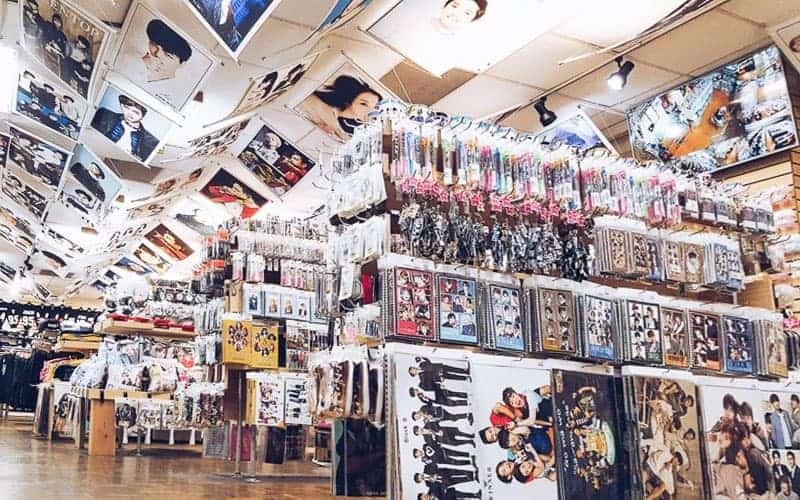
Naturally, the rise of live experiences fuels the K-pop merchandise market.
Research by Unified Manufacturing shows that U.S. K-pop fans spend on average $24–27 per purchase—more than double what general music fans spend on merch.
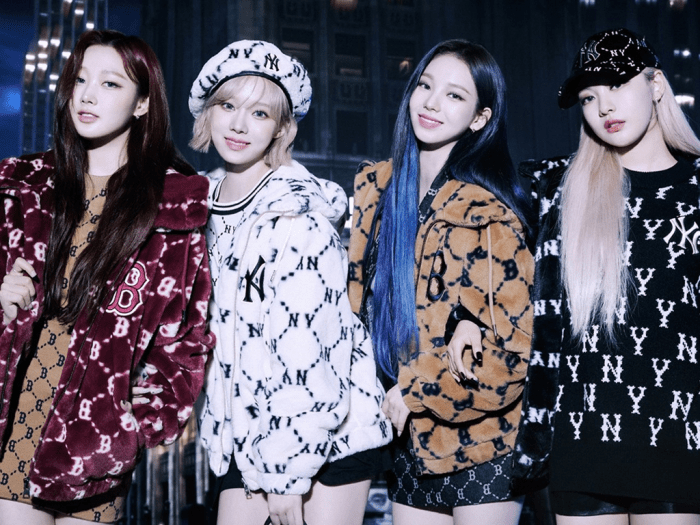
This has led to a transformation of K-pop goods from niche fandom souvenirs into mainstream consumer culture.

- Walmart’s “Your FYP on Wheels” Pop-Up Truck: A mobile K-pop-themed store touring concerts and festivals, offering not just goods but DIY photocard binder experiences, fan walls, and interactive activities.
- This signals a shift from online-only fan sales to offline experiential retail through major distribution channels.
K-pop merchandise is no longer about passive consumption—it has become a participatory, shareable, and experiential form of consumer culture.
IP Risks and Legal Challenges in U.S. Expansion

With growth comes complexity. Expanding into U.S. retail also requires careful intellectual property (IP) management.
The U.S. Customs and Border Protection (CBP) enforces strict monitoring. If companies fail to register trademarks or copyrights in the e-Recordation system, their goods—even officially licensed ones—may be seized or destroyed at customs.
The Department of Homeland Security (DHS) has also strengthened its ACTION Plan to crack down on counterfeit goods, especially in online marketplaces.
For Korean companies, this means preparing early IP registration, licensing agreements, and customs strategies before entering the U.S. market.
Conclusion: From Fandom to Global Industry

The success of K-pop Demon Hunters and Walmart’s experiential pop-ups highlights how K-pop has evolved from niche fandom culture into a mainstream consumer ecosystem.
- Content → Fan Experience → Merchandise → Distribution → IP Management
This value chain shows new opportunities for Korean companies across content production, goods manufacturing, retail, and entertainment tech.
But it also shows that growth requires serious IP protection and strategic expansion planning.
K-pop is no longer just about fans—it is shaping a global cultural infrastructure, proving its power to influence entertainment, consumer behavior, and industry ecosystems worldwide.


 Boss Brief
Leave a comment