
Ten years ago, former German Chancellor Angela Merkel uttered the now-famous words: “Wir schaffen das” — “We can do this.” At the height of Europe’s refugee crisis, Merkel’s decision to welcome nearly one million asylum seekers in a single year was hailed as an act of moral courage. Yet a decade later, Western politics tells a very different story.
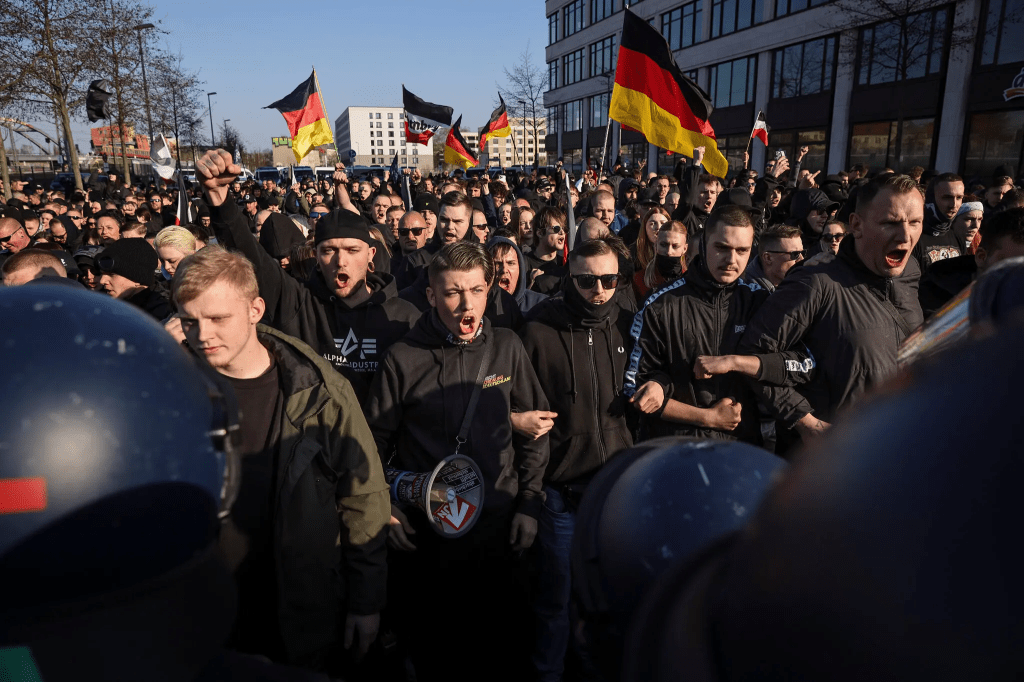
Across the continent, far-right and populist parties are not only surging — they are leading. For the first time in modern history, polls show populists or the far right on top in Britain, France, and Germany. In Hungary, Italy, the Netherlands, and Sweden, such parties have already entered government coalitions or taken power outright. Even in the United States, the political winds echo the same direction.
This seismic shift has raised one unavoidable question: Did Merkel’s open-door policy, once celebrated as a humanitarian triumph, plant the seeds for the decline of liberalism in Europe?
The Rise of Illiberal Alternatives
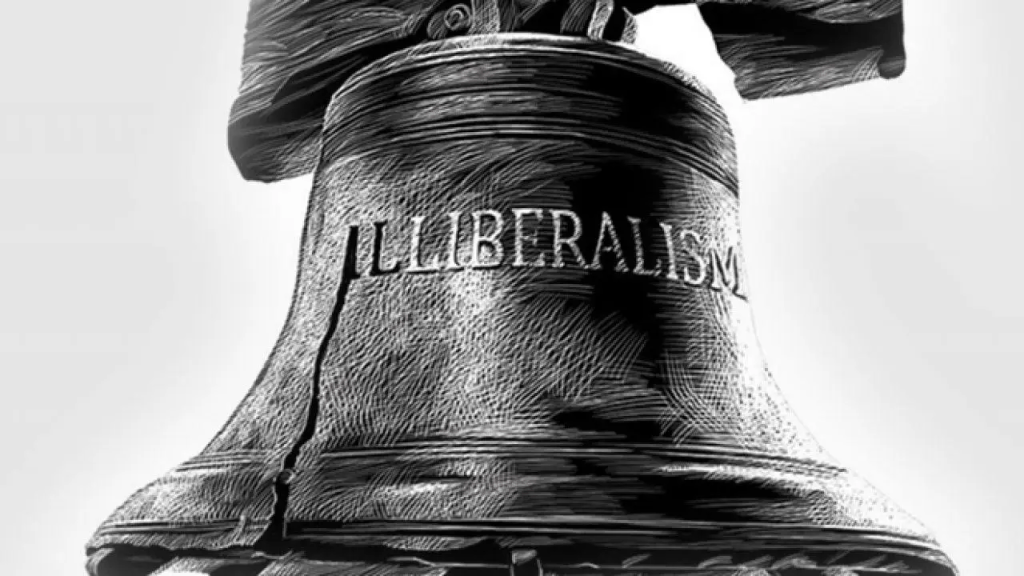
Brett Stephens identifies two “half-brothers” of liberal democracy that have risen in the past two decades:
- Pre-liberal democracy – systems where elections exist but liberal values are rejected. Think Turkey under Recep Tayyip Erdoğan or Egypt under Mohammed Morsi: democracy in form, but authoritarian in practice.
- Post-liberal democracy – frameworks that embrace liberal values but remove them from the consent of the governed. The European Union’s vast regulatory machinery, international tribunals without direct accountability, or global climate treaties negotiated without legislative approval are all examples.
Between these models lies traditional liberal democracy: balancing majority rule with individual rights, safeguarding national sovereignty while maintaining openness, and advancing change through consent, not fiat.
The problem, Stephens argues, is that Western elites — both center-left and center-right — abandoned this balance. In doing so, they ignored the two most basic political questions: Who are “we”? And who decides for us?
Merkel’s Mistake
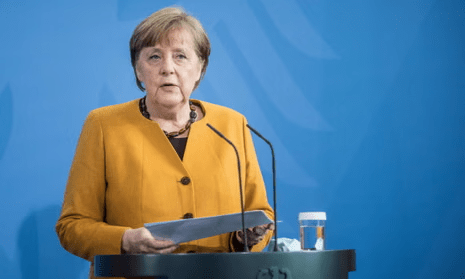
When Merkel relaxed asylum laws in 2015, she did so without direct democratic approval. Nearly a million migrants entered Germany within a year. Similarly, President Joe Biden did not campaign on admitting millions across America’s southern border — yet that has become the reality. In Britain, few voters imagined that after Brexit, under a Conservative government, the nation would admit 4.5 million migrants between 2021 and 2024.
For ordinary citizens, this felt less like democracy and more like imposition.
It is no surprise, then, that the backlash took the form of pre-liberal democracy. Voters turned toward populist parties, many of which vary widely — from the far-right extremism of Germany’s AfD to the pragmatic conservatism of Italy’s Giorgia Meloni — but share one common grievance: political elites ignored consent and redefined national identity without approval.
The “Replacement Theory” Debate

In the United States, critics call this grievance by another name: replacement theory. Progressives often dismiss it as racist conspiracy-mongering. And indeed, some of its adherents are motivated by bigotry.
But for millions of ordinary voters, the issue is less sinister and more visceral. Why should they feel like outsiders in their own communities? Why are they asked to pay taxes to support migrants they never agreed to admit? Why should they show tolerance toward groups that do not reciprocate? And why is expressing such concerns met with accusations of racism?
What most voters feel, Stephens argues, is not racial hatred but anger at being silenced. As long as mainstream elites treat legitimate anxieties as bigotry, the far right will continue to gain ground.
What Centrists Should Acknowledge
Stephens contends that moderate left and center-right leaders must stop whispering and start speaking clearly. The lessons are stark:
- Border control is non-negotiable. Without it, national sovereignty collapses.
- Mass immigration without explicit consent is unsustainable. Citizens must agree, through legislation, not just executive fiat.
- Immigrants must adopt core civic values. Integration cannot be optional.
- Liberal societies need not accommodate illiberal values. Tolerance must not extend to those who reject fundamental freedoms.
Only by reasserting these principles can liberal democracy rebuild its legitimacy and win back public trust.
Why This Matters
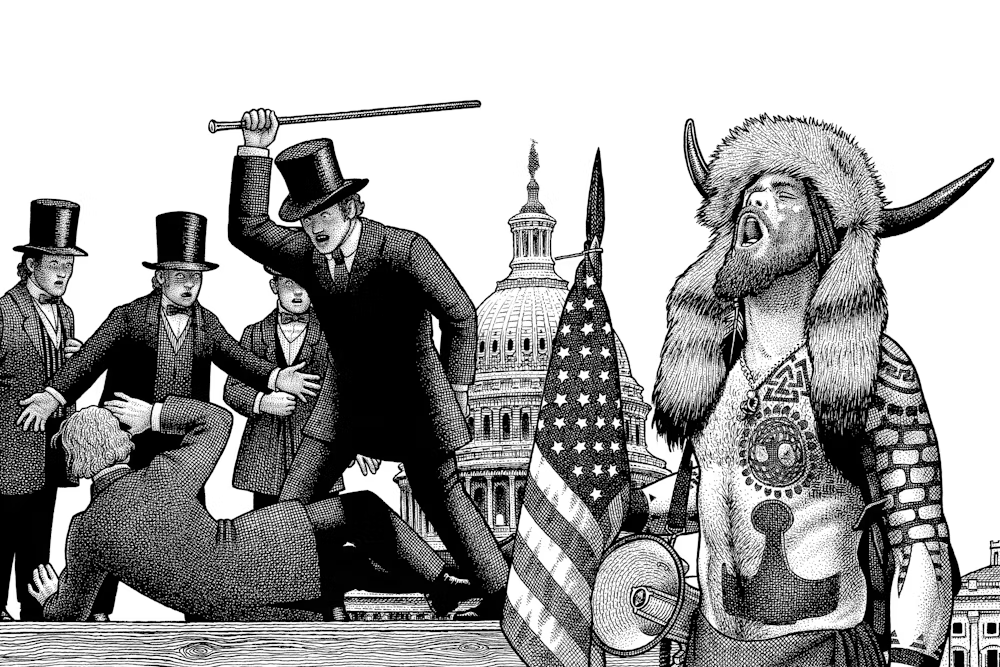
The decline of liberalism is not inevitable. But unless leaders restore the balance between openness and consent, the backlash toward illiberalism will intensify.
The paradox is this: immigration can strengthen nations, but only if citizens feel their voice matters in shaping it. The moment elites override that voice, democracy itself begins to unravel.
Until liberal leaders acknowledge this reality, the tide of illiberal democracy — from Europe to America — will only grow stronger.
Conclusion
Angela Merkel’s words — “We can do this” — reflected optimism, compassion, and European solidarity. But they also reflected a blind spot: assuming that ordinary citizens would simply accept elite decisions without debate.
Today, Europe and America are reckoning with the consequences. Liberal democracy is strongest when it is honest about its limits. It thrives not by ignoring public anxiety, but by addressing it with both empathy and respect for consent.
If liberalism is to survive, it must rediscover the balance between moral aspiration and democratic accountability.




 Boss Brief
Leave a comment