
When François Bayrou walked into parliament this week and dared lawmakers to topple him, he gambled everything. He lost.
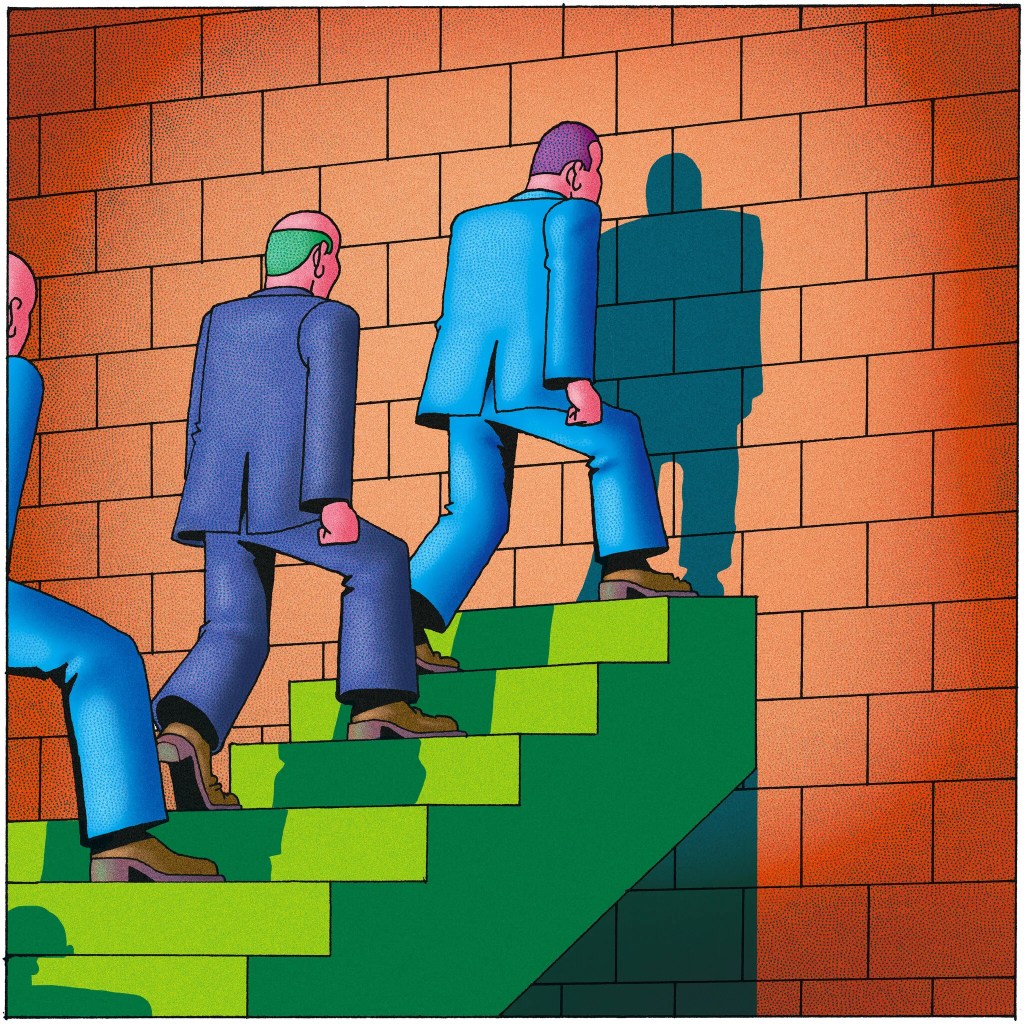
By calling for a no-confidence vote that he could not win, Bayrou became Emmanuel Macron’s second prime minister in a year to collapse under pressure. France is once again without a functioning government — a state of paralysis it can hardly afford at a moment of fiscal fragility and political exhaustion.
A Country Running Out of Room
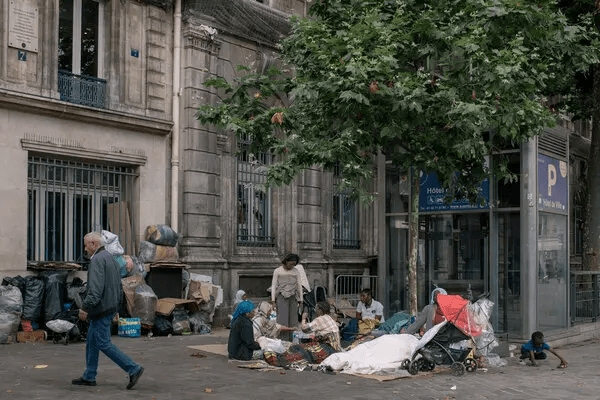
France’s budget deficit has ballooned to more than 5% of GDP. Bayrou, positioning himself as the steward of fiscal responsibility, unveiled a 2026 budget that promised €40 billion in cuts. His plan included frozen benefits, fewer public-sector replacements, and even scrapping two public holidays. The aim: drag France back within the European Union’s deficit rules by 2029.
The problem? These cuts placed the burden squarely on workers and the middle class, while leaving the wealthiest untouched. Unsurprisingly, public opinion turned sharply against him. Polls showed majorities wanted parliament to vote him out. By the time opposition lawmakers — left and far-right alike — united to sink his government, Bayrou’s defeat was already baked in.
The Alternative That Was Ignored
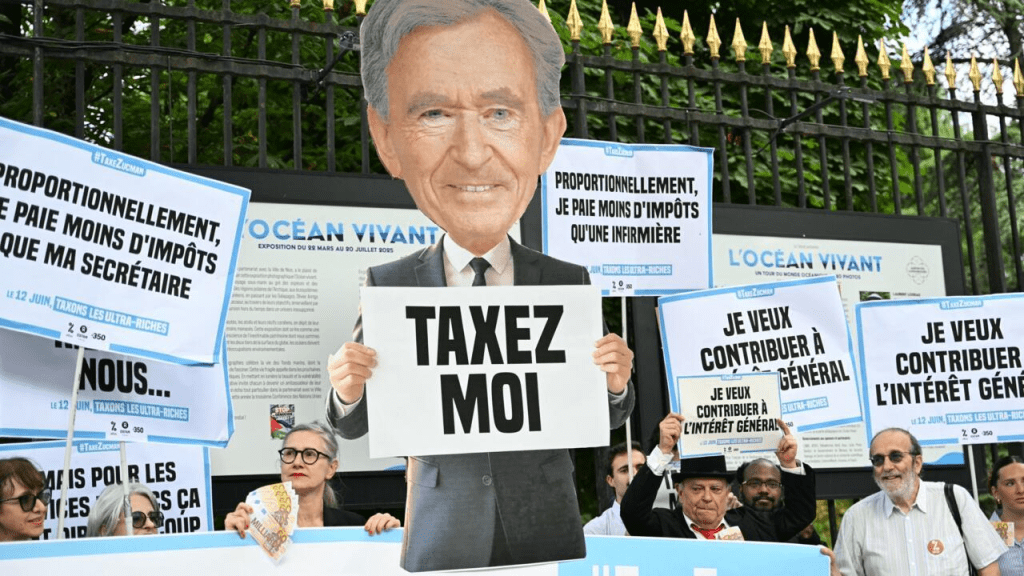
France’s fiscal arithmetic is brutal, but there was a more balanced option on the table all along: a wealth tax on the super-rich.
Earlier this year, the National Assembly passed what became known as the “Zucman Tax” (named after Berkeley economist Gabriel Zucman), a 2% levy on fortunes above €100 million. Applied to just 1,800 households, it could have raised €15–25 billion annually — a meaningful dent in the deficit. Public opinion overwhelmingly supported it.
But the Senate, dominated by Macron’s centrist-right coalition, killed the bill. Instead of embracing a measure that would have shared sacrifice more equitably, Bayrou doubled down on austerity, proposing only a token €1.2 billion “solidarity contribution” from high earners. The government justified its stance by warning of capital flight, a familiar refrain in French politics.
A Political Gamble That Backfired
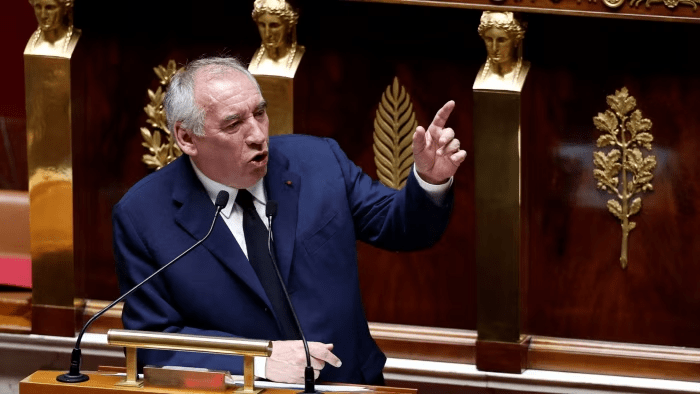
Bayrou’s move to force a no-confidence vote was a high-stakes attempt to pin responsibility for gridlock on the opposition. Macron, too, seemed willing to risk collapse, calculating that voters would blame left and right extremists for chaos.
But voters didn’t buy it. To many, the real problem lay not in welfare excess but in Macron’s own record: years of tax cuts for corporations and the wealthy, which drained €62 billion from the treasury in 2023 alone. The image of a government squeezing pensioners and workers while sparing billionaires was politically toxic.
The Coming Storm

Already, France is bracing for mass protests. A summer movement under the slogan “Block Everything” has called for nationwide strikes this week. With public anger boiling, Macron faces stark options:
- Forge a coalition with the Socialists, who also back a wealth tax.
- Cut a deal with Marine Le Pen’s far right, at great political cost.
- Or risk new snap elections, which could be disastrous for his bloc.
Some voices even whisper about the unthinkable — Macron’s resignation before his term ends.
The Deeper Lesson
Budget battles are never just about numbers. They are fights about priorities, fairness, and whose shoulders should bear the nation’s burdens. Bayrou warned that “everyone must contribute.” Yet in his plan, not everyone did.
The result is a collapse that could have been avoided. France does not lack for options. It lacks the political courage to face its crisis with a measure that is popular, fiscally meaningful, and — perhaps most importantly — fair.
In ignoring the obvious, Macron and Bayrou may have jeopardized not only their own survival, but the stability of France itself.
One-Line Takeaway
France’s problem isn’t just overspending — it’s a political elite unwilling to ask the richest to pay their share.



 Boss Brief
Leave a comment