
Key takeaways
- Inflation pushed food, labor, logistics costs higher; price hikes eroded fast food’s “cheap” image.
- Same-store sales fell across major chains in 2025; consumers pivot to coupons, memberships, convenience-store meals, and home prep.
- Brands are re-centering on value platforms, smaller bundles, daypart deals, and app-only offers—while wrestling with franchisee margins and brand equity.
The Inflation Squeeze: When “Cheap and Fast” Stops Feeling Cheap
Post-pandemic supply disruptions, higher commodity prices (beef, chicken, potatoes), rising minimum wages, and packaging/logistics inflation have tightened unit economics across U.S. quick service.

- CPI (Aug 2025): +2.8% YoY; +0.4% MoM. Shelter (+0.4%) and food (+0.5%) led the gains; airfare spiked (+5.9%).
- Core CPI: +0.3% MoM / +3.1% YoY—still above the Fed’s 2% target.
As menu prices climbed faster than overall grocery inflation, consumers increasingly felt that fast food isn’t cheap anymore. Many cut back on visits or substituted with supermarket ready-to-eat (RTE) and “meal prep” at home.
A 2024 LendingTree survey found 62% of U.S. adults say fast-food prices feel too high and they’re opting out—turning to coupons, loyalty deals, or alternatives like C-store meals.
Sales Reality Check: Traffic Down, Check Resistance Up

Recent comps underscore a broad-based slowdown:
- Chipotle: 2Q25 same-store sales −4%, traffic −4.9%.
- Wendy’s (U.S.): comps −3.6%.
- KFC / Pizza Hut: comps roughly −5%.
- Jack in the Box: 2Q25 comps −4.4%, with selective store closures announced.
This isn’t just cyclical softness; it’s structural pressure on the segment’s historic price advantage.
The Consumer Pivot: From “Low Price” to “Best Value”
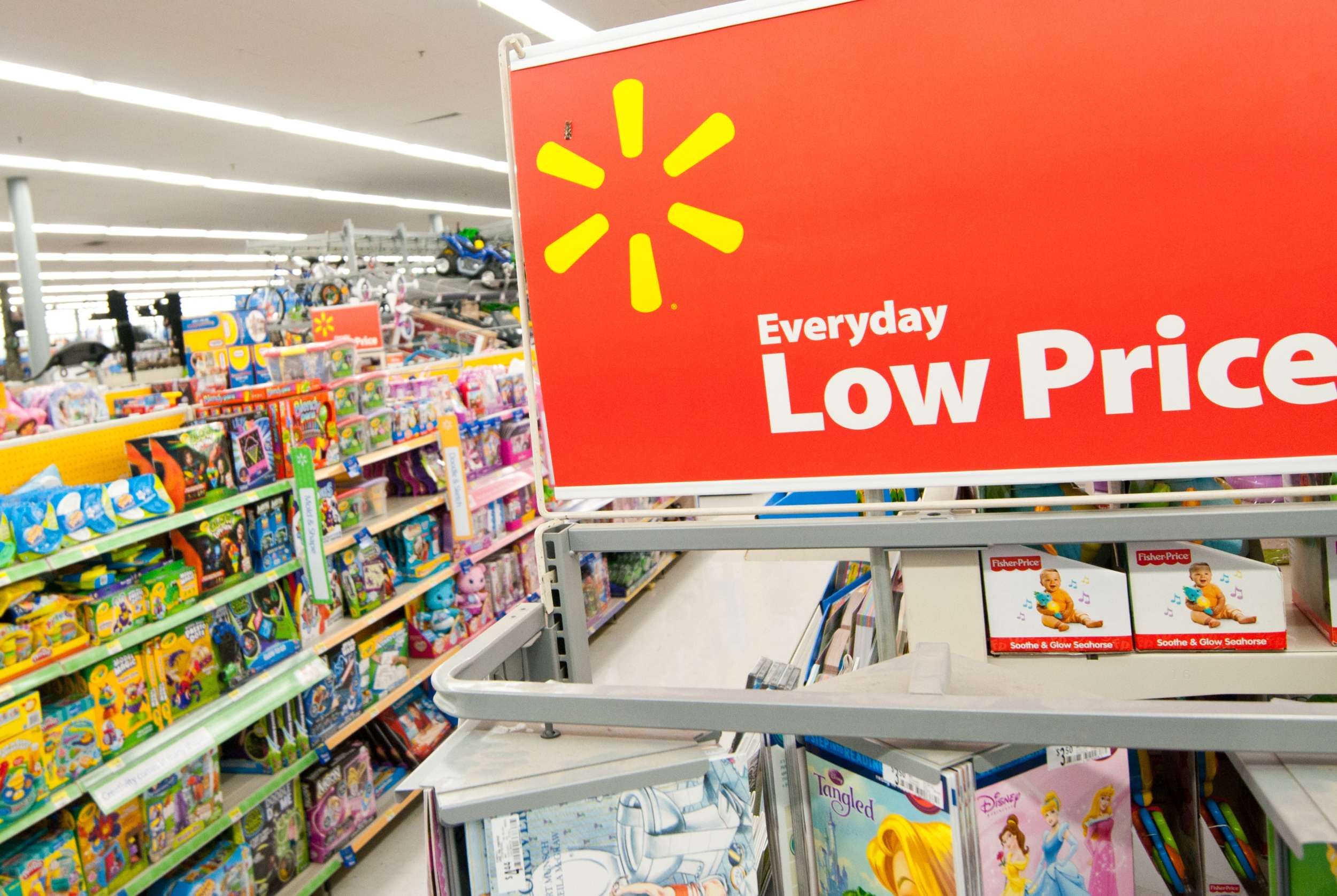
Speed and low price are no longer enough. Shoppers—especially younger and lower-income—are optimizing for value density (quantity + quality per dollar):
- Budget hacks: stacking coupons, loyalty points, and daypart promos.
- Trade-down/over: supermarket prepared foods, C-store combos, and DIY meal prep.
- Behavioral shift: “Restaurant on weekends, cook on weekdays” to stretch budgets.
How Chains Are Responding
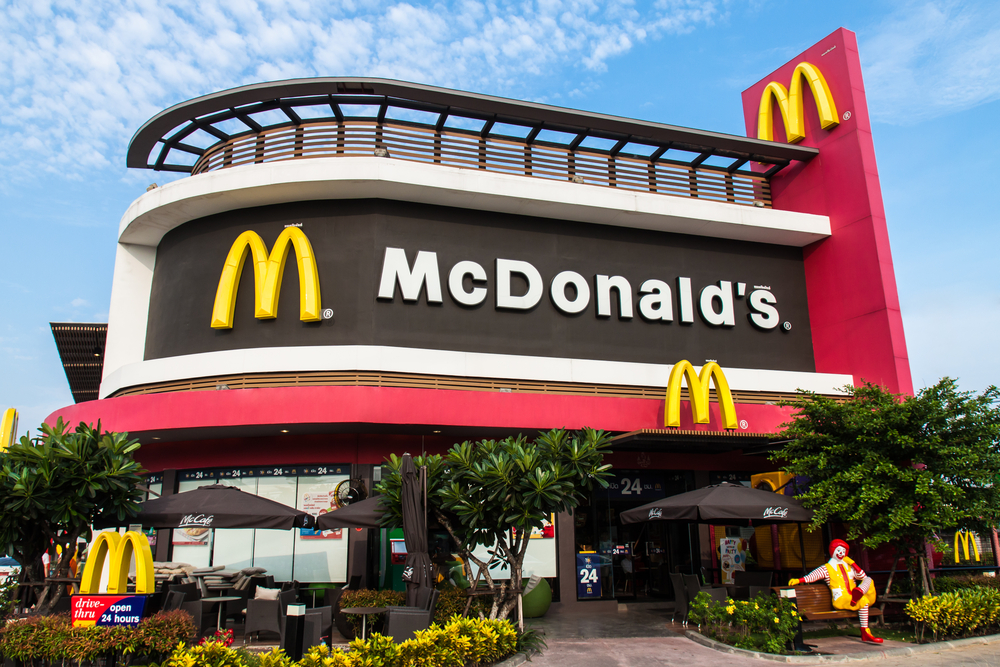
McDonald’s: Re-Anchoring on Entry-Level Value
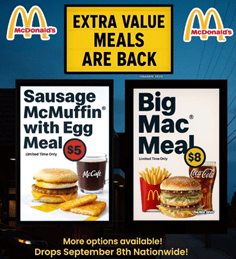
- Extra Value Meals (from Sept 8, 2025): 8 budget-friendly combos across breakfast, lunch, and dinner, ~15% below à-la-carte.
- Digital value: app-only limited-time offers, time-window coupons, double points to drive frequency and attach.
System-Wide Moves
- Burger King: aggressive limited-time value bundles to claw back share.
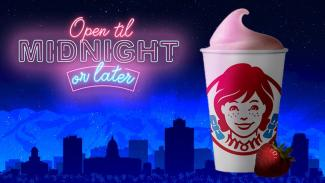
- Wendy’s: time-based deals (late night, afternoon) to fill shoulder periods.
- Taco Bell: expands low-ticket, small-format items to keep entry points affordable.
- KFC: discounted single pieces, downsized sides—“small & cheap” to protect entry price points.
Quiet Menu Engineering
- Streamlined SKUs for ops efficiency.
- Subtle downsizing (e.g., fry portions, patty weights) while holding headline prices.
- Dedicated “Value” categories in menu boards/apps to simplify choice and perception.
The Trade-Offs: Brand Equity vs. Margin Reality
A hard swing back to “cheap” risks reviving an old stigma: low price equals low quality. At the same time, franchisee P&Ls are pinched—commodities and wages up, while corporate pushes value deals. Sustaining value without degrading service or quality requires:
- Smarter supply chains: forward buys, regional sourcing, spec optimization.
- Kitchen productivity: automation (fryers, beverage, order assembly), labor scheduling by AI, smaller back-of-house footprints.
- Menu architecture: keep a barbell—credible low-price anchors and a few margin-rich trade-ups.
- Digital yield management: daypart pricing, geotargeted offers, and personalized bundles to improve contribution margin by cohort.
Outlook: Value is a Strategy, Not Just a Price Point
Value platforms will stabilize traffic in the near term, but durable growth will require efficiency + product innovation + brand stewardship. Consumers now demand value and values—fair price and consistent quality, convenience, and trust.
For new entrants (including international brands expanding into California and other competitive DMAs), differentiation must go beyond discounting:
- Distinctive flavor/IP (e.g., K-food signatures, proprietary sauces).
- Portable, ops-light hero items that travel well and assemble fast.
- App-first loyalty with visible savings and rapid earn/burn loops.
- Transparent value storytelling (portion honesty, bundle math) to rebuild price trust.
As one LA-based QSR consultant put it: “This isn’t a blip. ‘Best-for-budget’ is the new baseline, and operators need structural fixes—not just coupon fatigue.”
What to Watch (6–12 months)
- Commodity curves (beef/chicken/potatoes) and wage policy trajectory.
- Frequency recovery among value cohorts via app engagement.
- Franchisee sentiment on value mandates vs. store-level EBIT.
- Growth of C-store and grocer RTE as a structural competitor.
- Quiet renaissance in $5–$7 bundles across dayparts.


 Boss Brief
Leave a comment