
Last spring, amid the Vatican’s conclave frenzy, an old photograph of two cardinals lighting cigarettes went viral. Clad in black cassocks and red zucchettos, one leaned in with cupped hands to light the other’s smoke. Behind aviator shades, the second thumbed an old flip phone.

On X (formerly Twitter), one user quipped: “There’s a reason Hollywood always defaults to Catholic imagery. Two cardinals in full regalia, casually smoking? That’s peak cool.” Nearly 5,000 likes followed.
We all know cigarettes kill. Warning labels and gruesome images plaster every pack. U.S. smoking rates hit an 80-year low in 2024. Yet strangely, the romance of smoking refuses to die—and in some circles, it’s even growing.
From Decline to Cultural Artifact

This summer’s buzziest film, Materialists, showcased cigarettes as stylish props. Gen Z icons like Paul Mescal and Charli XCX treat cigarettes as essential accessories. Even the New York Times, describing Mary-Kate Olsen’s wedding reception back in 2015, noted approvingly the bowls of cigarettes scattered about, calling the gesture “subversive, very French.”
Online, cigarettes live as metaphor too. Diet Coke is jokingly dubbed a “fridge cigarette.” TikTok captions describe the crisp crack of a soda can as “like a summer cigarette.” One viral comment read: “Wow, this hits—instant stress relief.”
The Hunger for Embodied Experience
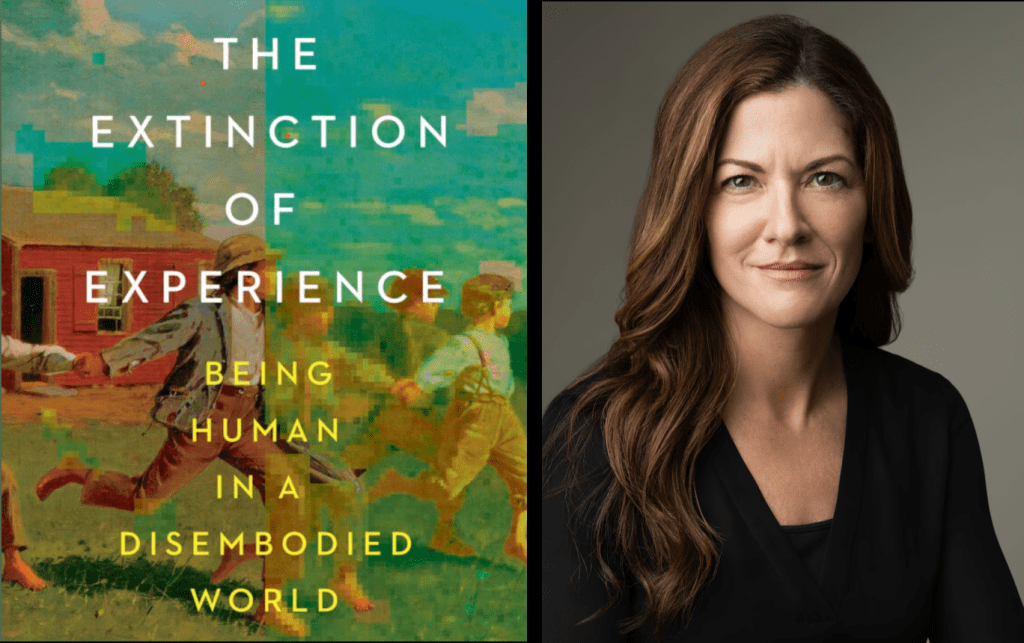
Christine Rosen, writing in The Extinction of Experience (2024), warned that technology has steadily stripped away physical, embodied aspects of daily life. Conversations migrate to text. Church services stream into living rooms. Even intimacy is filtered through glowing screens.
Younger generations, raised in digital immersion and shaped by the isolating pandemic years, feel this most acutely. Loneliness and mental health struggles spike as more of life takes place online.
In that context, smoking seems less like self-destruction than rebellion against disembodiment.
Why Cigarettes Still Appeal

Smoking is irreducibly physical. Tear the cellophane, strike a lighter, inhale, exhale. Nicotine’s head rush follows. Every step engages the senses in ways no app notification can. Smokers often speak of the ritual—the tactility of fire, smoke, and paper—as much as the nicotine itself.
Unlike the sterile pull of a vape pen, a cigarette feels real. Not another gadget to charge, but something raw and finite.
Cigarettes also create social bonds. Most paparazzi shots of smoking celebrities show them outside in groups, leaning close, sharing lighters. As one Gen Z partygoer told me: “Party smoking is back. You step outside, chat, maybe bum a cigarette—it’s more intimate than swiping on a dating app.”
Symbolically, smoking signals defiance. In an era haunted by climate collapse, AI dystopias, and institutional mistrust, the act of slowly killing yourself can perversely read as a celebration of being alive. A pack of Marlboros stands opposite to the quantified-self devices tracking every breath and heartbeat.
The Inescapable Cost
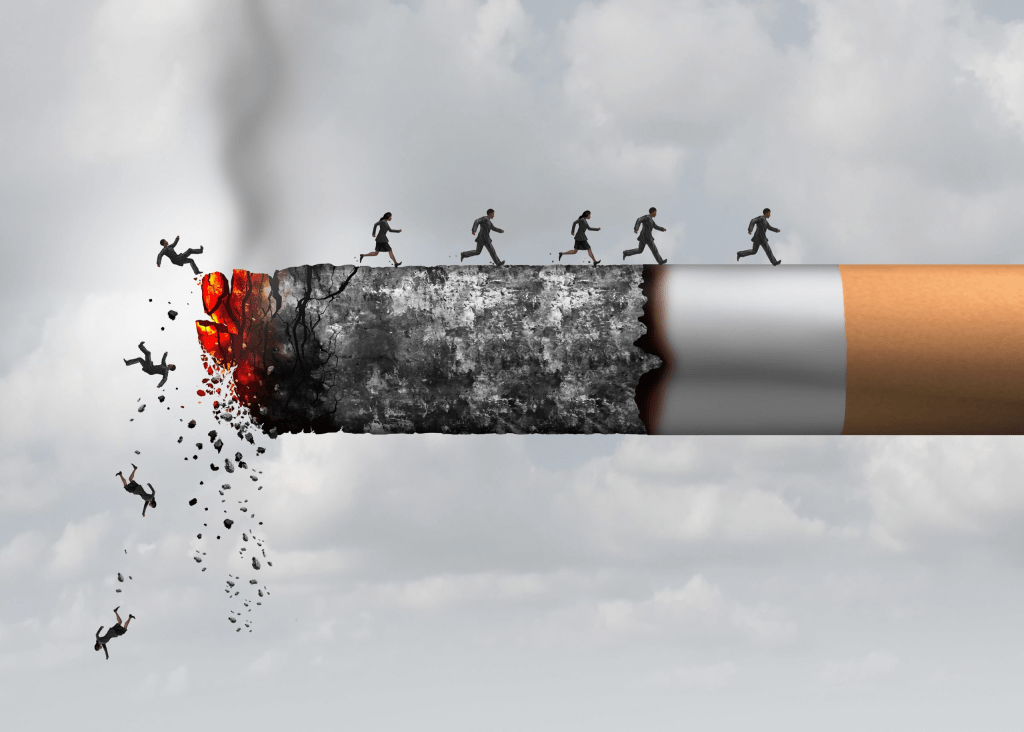
And yet—cigarettes kill. Lung cancer, emphysema, COPD: no aesthetic can romanticize those outcomes. Even Europe, once the global epicenter of chic smoking, is backing away. France bans smoking in parks and on beaches. Milan has outlawed it in most public spaces.
To be clear: I’m not advocating smoking. But I understand why its analog, embodied ritual tempts in an increasingly disembodied world.
Healthier Alternatives to Reclaim the Analog

You don’t need tobacco to resist digital sterility. Try:
- Walking outside without AirPods.
- Sharing a playful late-night drink with friends, ignoring your health app’s alerts.
- Stretching out under the sun, doing nothing but breathing.
Small, tactile rebellions. Moments where the body, not the device, defines the experience.
And yet, for many, the seductive danger of a lit cigarette still whispers: proof of presence, a fleeting reminder that life is lived in the flesh.


 Boss Brief
Leave a comment