
Free speech has long been celebrated as one of America’s defining values. It’s the principle enshrined in the First Amendment, the foundation of a culture that prizes open debate and the exchange of ideas. Yet in practice, when we look closely at American politics, we find a troubling pattern: everyone is a hypocrite.

Greg Lukianoff, president of the Foundation for Individual Rights and Expression (FIRE), has spent decades defending free expression. His message is uncomfortable but necessary: whether left or right, politicians invoke free speech when it benefits them but abandon it the moment criticism turns against them.
This hypocrisy is not an abstract observation. It plays out every week in headlines, lawsuits, and political theater. And unless Americans confront it honestly, free speech risks becoming nothing more than a slogan.
Trump’s Contradictions: Free Speech as a Weapon
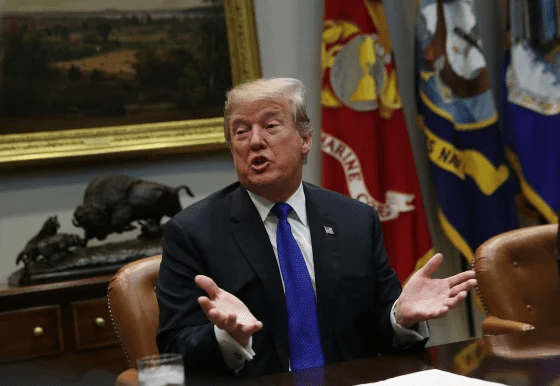
On his first day back in office, Donald Trump signed an executive order promising to “restore free speech and end federal censorship.” For a moment, it sounded like a victory for First Amendment defenders. Yet only months later, Trump suggested that television networks critical of him might lose their broadcast licenses.
This kind of double standard is hardly unique to Trump, but it illustrates a recurring theme: leaders demand protections for their own voices while looking for tools to silence opponents. When censorship becomes a partisan weapon, free expression as a principle is abandoned.
The Elastic Concept of Hate Speech
Consider the history of “hate speech.” In the 1980s and 1990s, progressive legal scholars such as Richard Delgado and Mari Matsuda promoted the idea that hateful expression should be regulated. Their work shaped campus speech codes and the rise of “political correctness.” Conservatives resisted, insisting that the First Amendment makes no exception for offensive or hateful language.
Fast forward to today: after conservative activist Charlie Kirk was assassinated, Republican leaders suddenly embraced the same concept, promising to crack down on hate speech. Florida Attorney General Pam Bondi even declared that offenders would be hunted down and punished. Trump himself hinted that such efforts might be directed at critical journalists.
This is exactly what critics of hate speech laws have long warned about: once defined vaguely, the term can be weaponized against any kind of dissent. Yesterday’s enemy is today’s ally, depending only on who holds power.
The Fake News Dilemma

The Biden administration fell into a similar trap during the pandemic. Worried about misinformation, the White House pressured social media companies to moderate content aggressively. At one point, DHS even created a disinformation advisory board, which collapsed under criticism. Among the topics suppressed was the “COVID lab-leak theory,” which mainstream institutions now acknowledge as plausible.
The intention may have been noble, but the effect was predictable: distrust, resentment, and the perception that free debate was being silenced. Today, conservatives are repeating the same mistake by threatening punishment for liberal commentary. The cycle of suppression spins on.
Jimmy Kimmel and the Perils of Overreaction
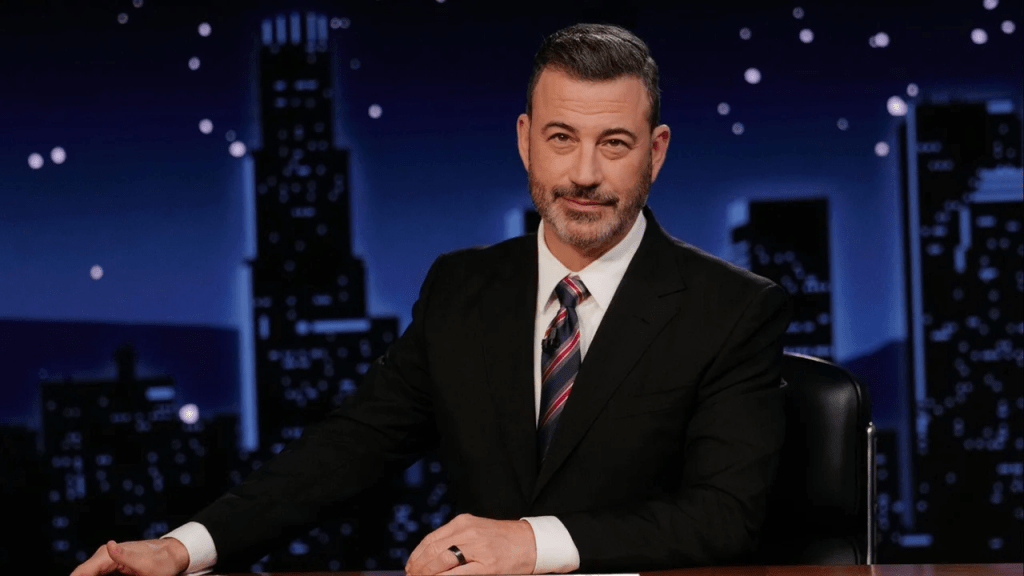
The case of comedian Jimmy Kimmel shows how absurd this cycle has become. On his late-night show, Kimmel implied—incorrectly—that Kirk’s assassin might have supported Trump. Outrage from conservatives was swift, and ABC suspended his show temporarily.
This is classic overreach. If every pundit or comic who exaggerated for partisan effect were silenced, the industry would collapse overnight. Yet the Trump administration escalated matters further: FCC commissioner Brendan Carr openly warned ABC that failure to discipline Kimmel could trigger federal intervention.
When the government starts hinting at regulatory punishment over late-night jokes, the line between protecting democracy and undermining it is crossed.
Cancel Culture, Reversed

For years, conservatives condemned “cancel culture,” the progressive practice of shaming and professionally punishing those with unpopular opinions. Progressives defended it as “consequence culture.”
But the roles have flipped. After Kirk’s death, Vice President J.D. Vance urged citizens to expose people online who celebrated the assassination—pressuring employers to take action. Suddenly, conservatives were wielding the same social and economic shaming tactics they once decried.
The principle at stake remains the same: using mob pressure to silence speech you dislike is still censorship, whether it comes from the left or the right.
Lukianoff’s Core Warning
The central lesson is stark but simple:
- The weapon you wield against your opponent today will be turned against you tomorrow.
- Suppression begets retaliation, creating an endless cycle of censorship.
- Free speech is not about protecting only our allies—it is about defending everyone’s right to speak, especially voices we dislike.
As Lukianoff argues, the true test of free speech is not how we treat opinions we agree with but how we respond to those we despise.
Reader Perspectives: America’s Divide
From the New York Times comments section:
- Tennessee: MAGA’s war on free speech is rooted not in campus codes but in white Christian nationalism. Their base opposes equality for minorities, women, and LGBTQ citizens. This is about power, not principle.
- Ohio (Cleveland): Both left and right have become “Sovietized.” The left enforces informal censorship through cancel culture, while the right uses government power to rewrite history and silence critics. The latter is far more dangerous.
- New York: Social shaming and government coercion are not the same. Biden may have pressured platforms, but there was no threat of punishment. Trump’s FCC did threaten retaliation. Republicans’ abuse of state power is clearly worse.
Final Thoughts
At its best, free speech protects the messy, uncomfortable, and even offensive conversations that democracy requires. At its worst, it becomes a hollow slogan, invoked selectively to shield allies while crushing enemies.
America today is dangerously close to the latter. Both sides practice hypocrisy, but the stakes are highest when government power is used to silence dissent. Lukianoff’s reminder could not be more urgent: free expression is not about “their rights.” It is, ultimately, about our own.



 Boss Brief
Leave a comment