
The U.S. economy continues to tighten, and so do household budgets.
Goldman Sachs recently projected a 45% chance of recession within the next year, with tariffs driving up inflationary pressure and consumer spending declining across the board.
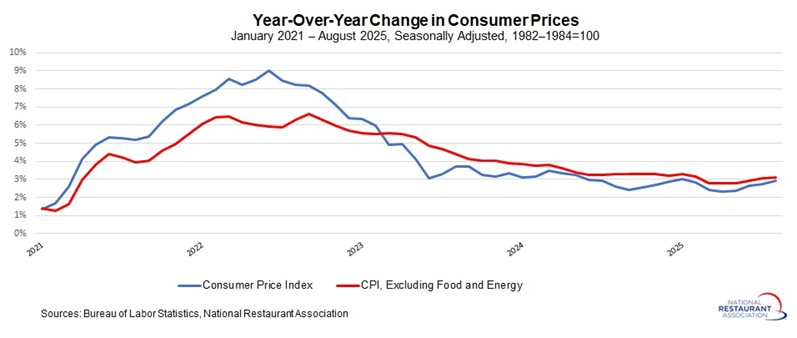
Food is no exception.
According to the U.S. Bureau of Labor Statistics, as of August 2025, at-home food costs have risen 2.2% year-over-year, while dining out costs increased 3.9%.
As Americans feel the pinch, they’re increasingly eating at home to save money.
A survey by First Insight found that 86% of U.S. consumers now prepare meals at home — up two percentage points from the pandemic peak.
In other words, the “home-cooked meal” is back — and it’s here to stay.
Budget Meals: Cooking Smart on Less
On social media, this thriftiness has turned into a movement.
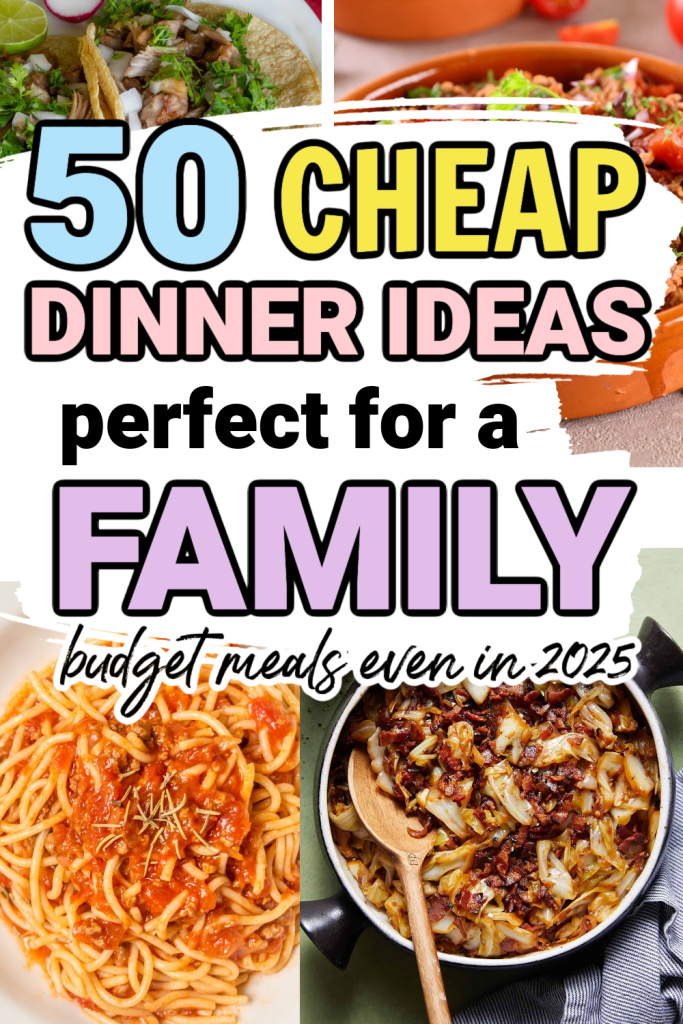
The latest viral trend? Budget Meals — preparing affordable, filling home-cooked dishes on a limited grocery budget.
TikTok is full of videos showing users feeding a family of four on $50 a week, or planning a month of dinners for under $150.
A popular cooking influencer told KOTRA New York,
“Posts about low-cost shopping hacks or budget-friendly meal plans always get the most engagement.
When I share how to buy bulk and portion smartly, my followers love it.”
The “budget meal” has become not only a survival strategy but a form of social content — practical, relatable, and aspirational all at once.
From Hashtags to Sales Growth

This shift toward home cooking is already reshaping the U.S. food industry.
Spice and seasoning giant McCormick noted that post-pandemic consumers have improved cooking skills and greater confidence in the kitchen, fueling steady growth in home-prepared meals.
Campbell’s, the soup and sauce company, has also seen a bump in demand. CEO Mick Beekhuizen said,
“As more people cook at home, sales of pasta sauces, chicken soups, and mushroom soups are trending upward.”
General Mills reported similar results, particularly in sales of rice and beans — the classic staples of affordable home cooking.
Meanwhile, frozen foods and meal kits continue to thrive.
A major distributor told KOTRA,
“Because frozen food lasts longer, consumers often buy in bulk during sales.
It’s the perfect option for people who want quick, affordable meals without elaborate cooking.”
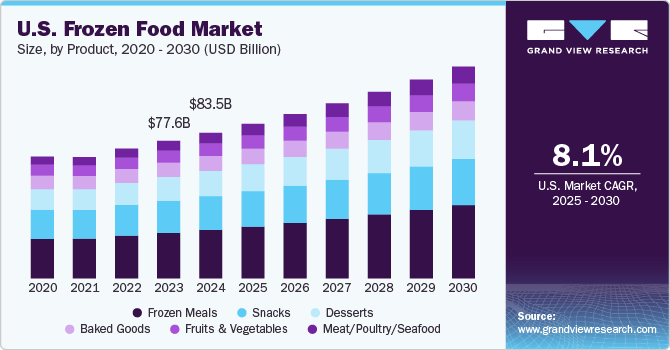
According to Grand view research, the U.S. frozen food market — valued at $83.5 billion in 2024 — is expected to grow 8.1% annually, reaching $123.2 billion by 2030.
🇰🇷 K-Food Finds Its Moment

For Korean food companies, this “home meal revival” is a golden opportunity.
Riding the global K-Culture wave, from K-dramas to K-pop films like K-pop Demon Hunters, American consumers are more curious than ever about Korean cuisine.
Following years of love for Buldak spicy ramen, the latest breakout star is Gimbap (Korean rice rolls).
After characters in K-pop Demon Hunters were shown eating gimbap and tteokbokki, searches for “Korean sushi rolls” spiked across U.S. social media.
One parent in New Jersey told KOTRA New York,
“My kid tried gimbap at a friend’s birthday party and fell in love with it.
Now we make it at home — or buy frozen versions from the grocery store.”
She added,
“It’s easy, healthy, and fun. The kids dip it in mayo, while adults like it with spicy sauces like Sriracha or wasabi.”
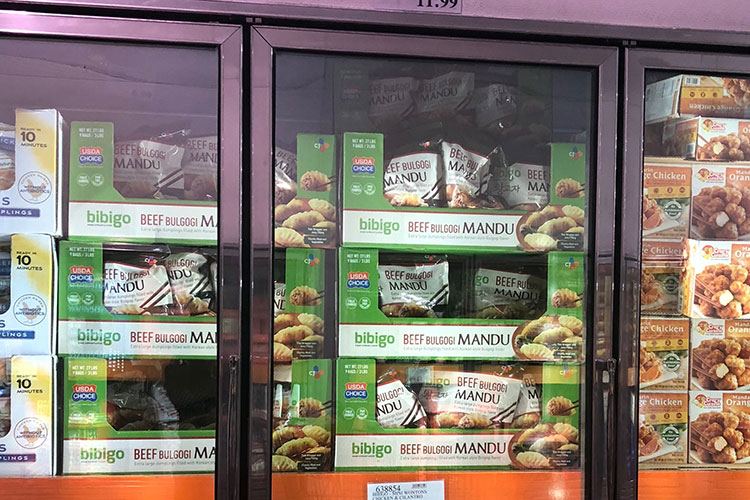
Indeed, frozen gimbap, dumplings, and tteokbokki kits are popping up in major supermarkets nationwide — proof that Korean comfort food fits perfectly into America’s new home-cooking culture.
Beyond Food: Kitchen Appliances Benefit Too
The “eat-at-home” trend isn’t just transforming food aisles — it’s also boosting kitchen appliance sales.
“Just like Korean homes have separate kimchi fridges, American households are adding second freezers in garages for bulk storage.”
He added,
“As more people cook, demand for air fryers, electric pressure cookers, and blenders has surged.”
Outlook: K-Food + Home Comfort = Growth
The post-pandemic “home meal” revival, combined with economic uncertainty, is pushing Americans to cook more — and experiment with new flavors.
This is the sweet spot for K-Food: convenient, flavorful, and health-conscious.
For Korean companies, localization is key — from packaging design to spice levels — but the opportunity is clear.
Meal kits, frozen foods, and sauces that blend Korean authenticity with everyday convenience are poised to win the American kitchen.
As one distributor put it,
“People want food that feels homemade, healthy, and global.
Korean food delivers all three.”




 Boss Brief
Leave a comment