
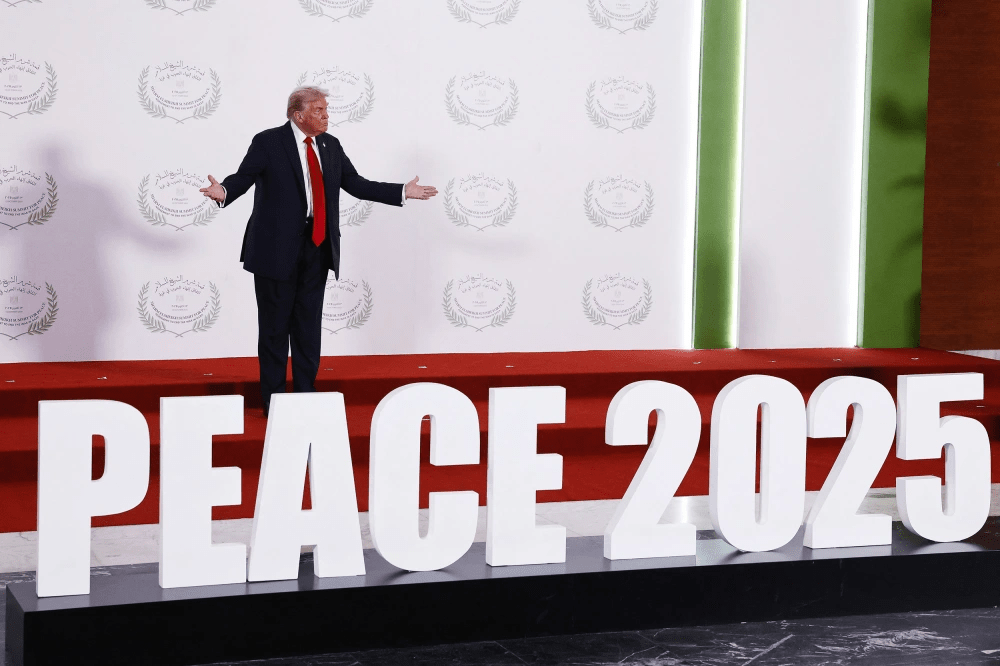
       President Donald J. Trump has brought the Israel–Hamas war to the brink of a cease-fire.
He announced plans to travel to the region, saying he would personally welcome the release of hostages who have been held underground for more than two years.
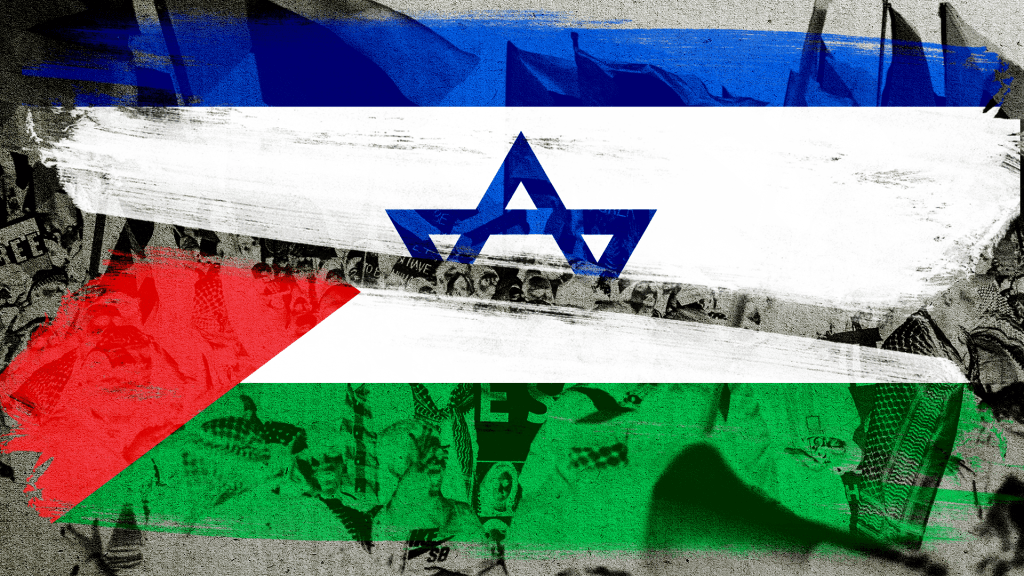
For Trump, this is the ultimate test of his self-proclaimed image as a “deal maker” and “peace broker.”
The timing is uncanny: the announcement of the Nobel Peace Prize came just hours before his scheduled departure for the Middle East.
Still, the region has a way of defying expectations.
The “peace” Trump celebrated on Truth Social could yet prove to be another temporary pause, not a true end to war.
But if the deal holds — and Hamas releases the final 20 living hostages this weekend — it will mark a dramatic turning point.
It would be the first tangible progress in the peace process that both Trump and former President Joe Biden had struggled to advance.
If Trump succeeds in pushing Benjamin Netanyahu to withdraw Israeli forces from Gaza and halt operations there, he will have done what no U.S. president in decades has managed: restrain an obstinate ally without breaking the alliance.
“Trump Pressured Netanyahu Harder Than Anyone Before Him”

According to Aaron David Miller of the Carnegie Endowment for International Peace,
“Trump’s willingness to lean on Netanyahu — really lean on him — was decisive.
No Republican or Democratic president has ever applied this kind of pressure.”
During his first term, Trump touted the Abraham Accords as his crowning diplomatic achievement — normalizing ties between Israel and the UAE, Bahrain, Sudan, and Morocco.
When Saudi Arabia showed signs of joining, Hamas struck back with its October 7, 2023 assault, igniting the war.
Ending that war has proved far harder.
Israel’s military campaign decimated Hamas leadership and leveled 90% of Gaza’s housing, but at immense cost.
Internationally, Israel’s reputation plunged as allies began openly calling for the establishment of a Palestinian state.
Its tactics — obliterating neighborhoods to kill a single Hamas commander — dealt it a moral and political blow that may take decades to recover from.
Netanyahu Overplayed His Hand
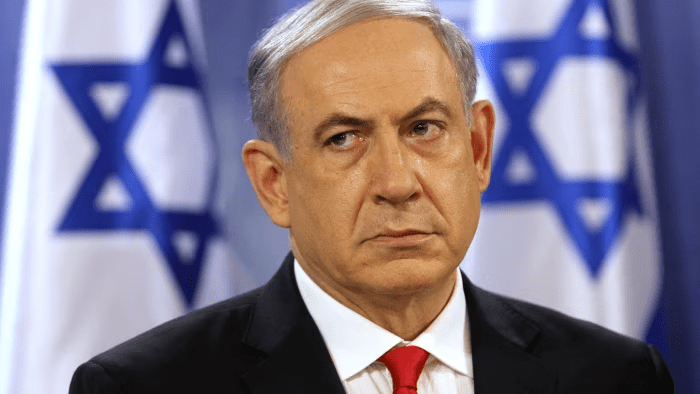
Politically, Netanyahu appeared to rally his base by claiming he had eliminated Hamas’s top leadership.
He boasted of assassinations of Hezbollah officials, Syrian leader Bashar al-Assad, and Iranian nuclear scientists — and even suggested the war ended after U.S. strikes on Iranian nuclear facilities.
But then, Netanyahu crossed the line.
The sheer scale of Gaza’s destruction shocked the world.
When he bombed a Hamas delegation from Qatar mid-negotiation, the Trump White House was blindsided.
Trump personally called Qatar’s leadership to apologize — and released photos of the call.
He then imposed a strict 20-step plan on Netanyahu, who expected Hamas to reject it.
Instead, Hamas agreed to the early stages, cornered by its own devastation and regional pressure from Arab states and Turkey.
If all goes as planned, Trump is poised to declare that “a chapter has closed.”
And if the cease-fire holds, he will claim the right to something he’s coveted for years: a Nobel Peace Prize.
The Nobel Dream
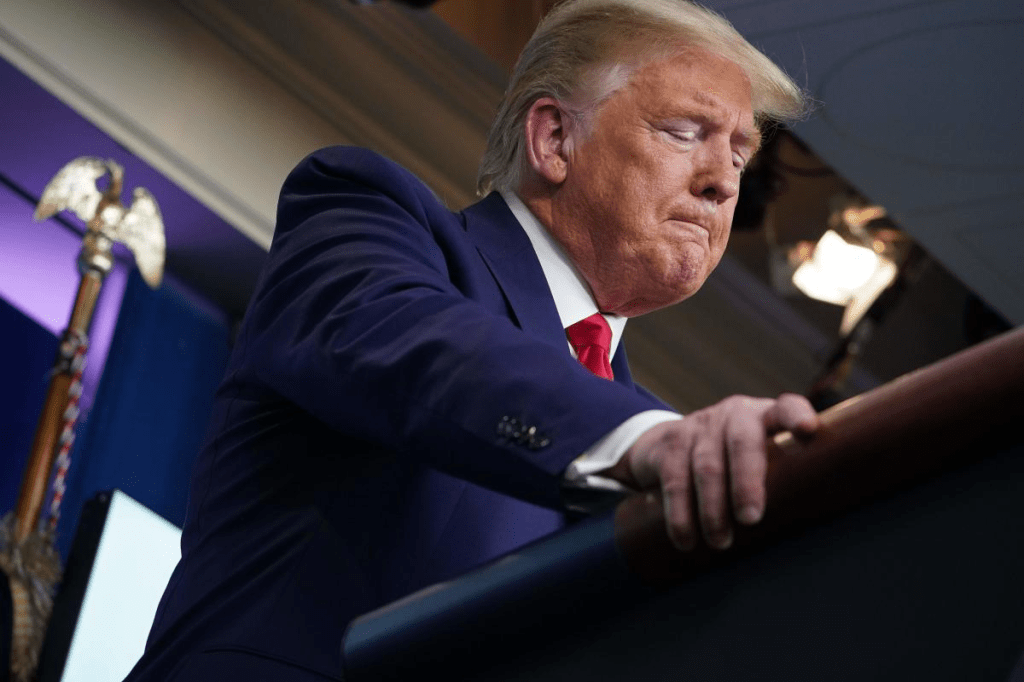
If Trump’s deal stabilizes, he could join the ranks of past American laureates —
Theodore Roosevelt, Woodrow Wilson, Jimmy Carter, and Barack Obama.
Carter, notably, received his prize decades after leaving office.
But it’s far too soon to speak of peace.
What Trump and Netanyahu have announced so far is only Phase One —
a hostage-prisoner exchange and partial Israeli withdrawal to unspecified lines.
The next phase — Hamas disarmament and withdrawal from governance — will be much tougher. But, he did not won the Nobel…
After the Fire, the Fault Lines Remain

The U.S. and its allies still face the challenge of establishing a technocratic interim administration in Gaza —
and filtering out Hamas’s more militant factions.
As long as armed remnants remain, Israel will resist full withdrawal.
The Palestinian Authority’s role remains equally unclear.
In the Middle East, there’s a saying:
“Peace agreements are like rebuilding after a volcanic eruption —
they hold until the next explosion.”
No one knows when, or how violently, the next one will come.




 Boss Brief
Leave a comment